

Introduction:
When a Knee Injury Changes Your Daily Movement
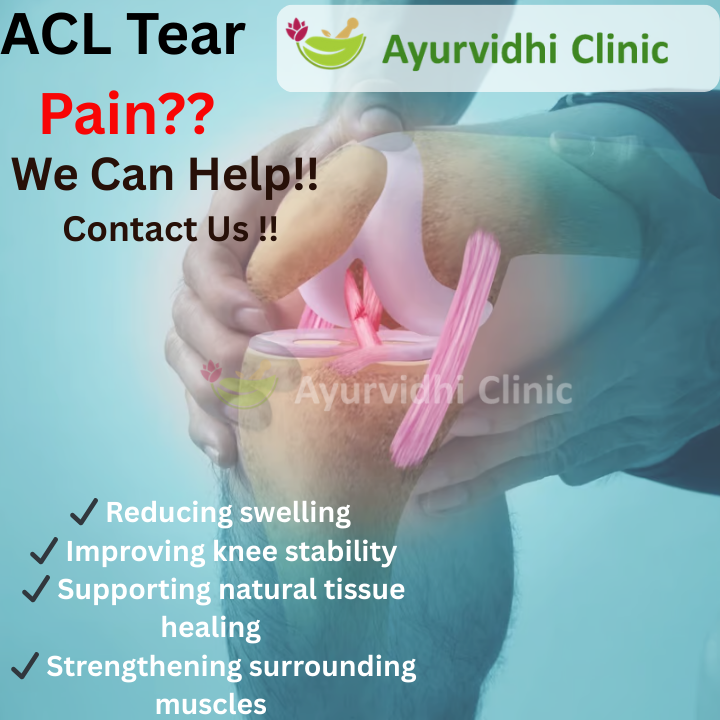
An ACL tear can be physically painful and emotionally disturbing. Many patients describe the moment of injury clearly — a sudden twist while playing cricket, football, kabaddi, gym workout, or even slipping on stairs. After that comes swelling, instability, fear of walking properly, and uncertainty about the future.
In modern practice, ACL (Anterior Cruciate Ligament) injuries are often associated with surgical reconstruction. However, from an Ayurvedic perspective, ligament injury is understood through the lens of Vata aggravation, Asthi-Majja Dhatu involvement (bone and nerve tissue), impaired Agni (digestion), and obstruction of Srotas (body channels).
ACL Tear Ayurvedic Treatment does not claim to replace emergency surgical care where required. Instead, Ayurveda offers supportive and restorative management that focuses on reducing inflammation, improving stability, nourishing tissues, and enhancing long-term joint strength.
Let us understand this condition from a classical Ayurvedic viewpoint.
Ayurvedic Understanding of ACL Tear
In Ayurvedic texts such as Sushruta Samhita, trauma-related injuries are described under Bhagna (fractures and ligament injuries) and Snayu Vikara (ligament disorders).
🔹 Dosha Involvement
-
Vata Dosha (movement and nerve control) – primary aggravation in ligament injuries
-
Pitta Dosha (inflammation and heat) – responsible for swelling and pain in acute phase
-
Kapha Dosha – may contribute to stiffness during recovery stage
An ACL tear primarily reflects Vata vitiation affecting Snayu (ligaments).
🔹 Role of Agni and Ama
After injury:
-
Poor digestion due to stress or medication weakens Agni (digestive fire)
-
Improper metabolism leads to formation of Ama (toxic residue)
-
Ama may aggravate swelling and delay tissue healing
Therefore, improving digestion is an essential part of recovery.
🔹 Srotas (Body Channels) Involved
-
Asthi Vaha Srotas (bone channels)
-
Majja Vaha Srotas (nerve and marrow channels)
-
Mamsa Vaha Srotas (muscle channels)
Proper nourishment of these channels is necessary for ligament healing and joint stability.
Common Causes According to Ayurveda
While ACL tear is often due to trauma, Ayurveda looks at predisposing factors as well.
Physical Causes
-
Sudden twisting movements
-
Sports injuries
-
Weak musculature around knee
-
Improper warm-up before exercise
Dietary Causes
-
Poor nourishment leading to weak Asthi Dhatu
-
Excess dry, processed, or junk food
-
Low intake of strengthening foods
Lifestyle Factors
-
Sedentary lifestyle
-
Lack of regular joint strengthening exercises
-
Overexertion without adequate rest
Mental & Stress Factors
-
Chronic stress increasing Vaata
-
Fear and anxiety post-injury slowing recovery
Ayurveda recognizes that mental stress can delay tissue healing.
Symptoms Explained in Simple Language
Patients with ACL tear may experience:
-
Sudden knee pain after injury
-
Swelling around the knee
-
Feeling of instability or “knee giving way”
-
Difficulty walking or climbing stairs
-
Restricted knee movement
Severity varies depending on partial or complete tear.
Ayurvedic Line of Treatment for ACL Tear
Ayurvedic management depends on:
-
Stage of injury (acute or chronic)
-
Extent of ligament damage
-
Associated swelling or instability
-
Patient’s constitution (Prakriti)
Treatment is divided into phases.
🔹 1. Shodhana (Detoxification – When Indicated)
In chronic cases with Ama accumulation and stiffness:
-
Basti (medicated enema therapy)
Considered best for Vaata disorders
Helps nourish Asthi and Majja Dhatu
Shodhana is not advised in the immediate acute traumatic phase.
🔹 2. Shamana (Balancing & Supportive Therapies)
Internal medicines focus on:
-
Pacifying aggravated Vata
-
Supporting ligament healing
-
Reducing inflammation
-
Strengthening Asthi Dhatu
Classical formulations (as per indication):
- Guggulu
-
Dashamoola preparations
-
Asthi-poshak formulations
Medicines are prescribed only after proper assessment.
Role of Panchakarma in ACL Tear Management
Panchakarma plays a major supportive role, especially in rehabilitation phase.
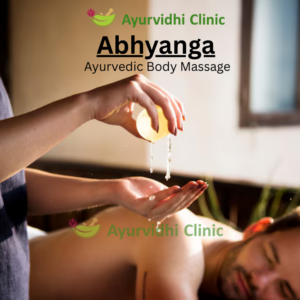
Abhyanga (Medicated Oil Massage)
-
Improves circulation
-
Reduces stiffness
-
Nourishes muscles and ligaments
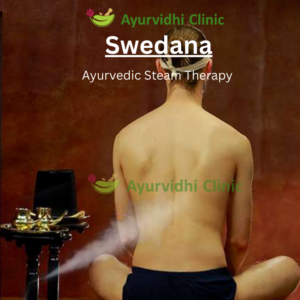
Swedana (Fomentation)
-
Relieves tightness
-
Reduces swelling in subacute stage
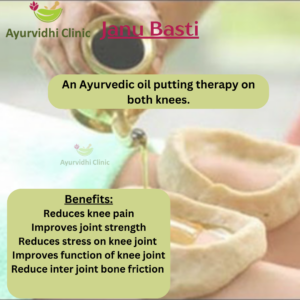
Janu Basti (Localized Oil Retention Therapy)
-
Warm medicated oil retained over knee joint
-
Improves ligament nourishment
-
Supports stability
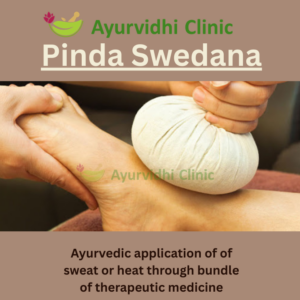
Pinda Sweda
-
Helpful in chronic stiffness
-
Strengthens surrounding muscles
Panchakarma is customized based on recovery stage.
Diet & Lifestyle Advice (Pathya–Apathya)
✅ Pathya (Recommended)
-
Warm, nourishing food
-
Cow ghee in moderation
-
Milk (if suitable)
-
Sesame seeds
-
Moong dal and rice
-
Gentle physiotherapy under guidance
❌ Apathya (To Avoid)
-
Cold, dry foods
-
Excessive fasting
-
Sudden weight-bearing activity
-
Ignoring rest during acute phase
Balanced rest and gradual strengthening are essential.
Expected Results & Healing Timeline
Ligament healing is gradual.
-
Swelling reduction: few weeks
-
Improved stability: 6–12 weeks
-
Strength restoration: gradual and supervised
Recovery depends on:
-
Severity of tear
-
Age and general health
-
Compliance with therapy
-
Physiotherapy support
Ayurveda supports natural healing but does not promise instant repair.
Why ACL Tear Ayurvedic Treatment Is Different
-
Focuses on tissue nourishment
-
Strengthens surrounding muscles
-
Improves digestion and metabolism
-
Addresses stress-related Vaata aggravation
-
Personalized treatment approach
Ayurveda views injury recovery as a systemic healing process, not just local ligament repair.
When to Consult an Ayurvedic Doctor
-
After initial diagnosis of ACL tear
-
For supportive recovery post-surgery
-
In partial tears seeking conservative management
-
For chronic knee instability
-
If looking for holistic rehabilitation support
Emergency and surgical decisions should always be taken after orthopedic evaluation when required.
Conclusion: Supporting Natural Healing with Classical Wisdom
ACL injuries can be physically and mentally challenging. Ayurveda provides a structured, supportive, and holistic approach to improve recovery, strengthen ligaments, and enhance joint stability.
Through proper Dosha balance, digestive correction, Panchakarma therapies, and lifestyle guidance, many patients experience meaningful improvement in comfort and function.
Ayurvedic care works best when integrated responsibly with necessary medical evaluation.
Soft Call to Action
If you have been diagnosed with an ACL tear or are recovering from knee ligament injury, consult a qualified Ayurvedic physician for a personalized assessment. Early holistic care can support better long-term knee health.
Medical Disclaimer: Results vary depending on individual constitution, injury severity, and treatment adherence. Ayurveda supports recovery but does not replace emergency orthopedic care where indicated.
Recent Comments