


Frozen Shoulder Relief the Ayurvedic Way
When Shoulder Pain Slowly Restricts Your Life
Persistent shoulder pain, stiffness, and difficulty raising the arm can quietly disrupt daily routines—dressing, combing hair, sleeping comfortably, or even performing routine household or office work. Many patients delay treatment, assuming it is age-related or temporary, only to realize later that the shoulder has gradually “frozen.”
In Ayurveda, Frozen Shoulder is not viewed as a sudden joint disorder but as a progressive condition arising from Dosha imbalance, weak digestion (Agni), toxin accumulation (Aama), and impaired nourishment of joints and nerves. Ayurvedic management focuses on understanding the root cause and restoring natural movement gradually, without suppressing symptoms.
This blog explains the Ayurvedic understanding of Frozen Shoulder and how Ayurveda and Panchakarma therapies support long-term relief in a safe and ethical manner.
Ayurvedic Understanding of Frozen Shoulder
Classical Ayurvedic texts such as Charaka Samhita and Ashtanga Hridaya describe shoulder stiffness and pain under conditions like Avabahuka and Bahushosha.
Dosha Involvement
-
Vaata Dosha (responsible for movement and nerve function) is primarily aggravated
-
Kapha Dosha (responsible for lubrication and stability) contributes to stiffness
When aggravated Vaata dries the joint tissues and Kapha blocks movement, the shoulder gradually loses mobility.
Role of Agni and Aama
-
Weak digestive fire (Mandagni) leads to formation of Aama (toxic metabolic residue)
-
Aama circulates and lodges in joints, causing pain, heaviness, and stiffness
Srotas (Body Channels)
-
Asthi Vaha Srotas (channels of bones and joints) become obstructed
-
Proper nourishment of shoulder structures is compromised
In simple terms, Frozen Shoulder develops due to poor digestion, toxin accumulation, and disturbed joint nourishment.
Common Causes of Frozen Shoulder According to Ayurveda
Dietary Factors
-
Excess intake of dry, cold, or processed foods
-
Irregular meal timings
-
Excessive tea, coffee, or packaged snacks
Lifestyle Factors
-
Prolonged desk work and poor posture
-
Lack of regular physical activity
-
Sudden exposure to cold air or cold climate
-
Long periods of shoulder immobility after injury
Medical & Age-Related Factors
-
Diabetes mellitus
-
Post-surgical or post-traumatic immobilization
-
Natural increase of Vaata Dosha with age
Mental & Emotional Factors
-
Chronic stress and anxiety
-
Poor sleep quality
Ayurveda emphasizes that mental stress directly aggravates Vata, worsening musculoskeletal conditions.
Symptoms Explained in Simple Language
Patients commonly report:
-
Gradual onset of shoulder pain
-
Difficulty lifting or rotating the arm
-
Pain during daily activities like bathing or dressing
-
Night pain affecting sleep
-
Progressive stiffness and restricted movement
Without timely intervention, stiffness may worsen and recovery may take longer.
Ayurvedic Line of Treatment for Frozen Shoulder
Ayurvedic treatment is individualized based on the patient’s Prakriti (constitution) and Vikruti (current imbalance).
1. Shodhana (Detoxification – When Required)
Shodhana therapies are advised when Aama accumulation is significant.
-
Virechana (therapeutic purgation)
Helps clear deep-seated toxins and balance Vaata-Kapha Dosha -
Basti (medicated enema therapy)
-
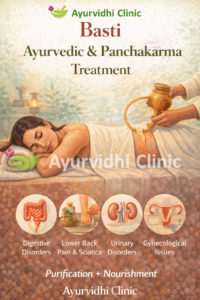
“Basti Therapy is one of the most powerful Panchakarma treatments in Ayurveda, especially for balancing Vata dosha. At Ayurvidhi Clinic, Basti is used for detoxification, nourishment, and effective management of digestive disorders, lower back pain, sciatica, urinary issues, and gynecological conditions.”
Considered the most effective treatment for Vaata disorders
Nourishes nerves, joints, and supports mobility
Detox therapies are recommended only after proper clinical assessment.
2. Shamana (Balancing and Healing Therapies)
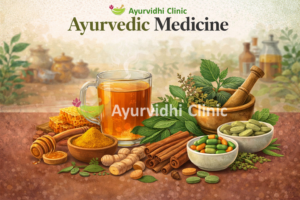
Shamana treatment focuses on relieving pain and restoring movement gradually.
-
Internal Ayurvedic medicines to:
-
Pacify aggravated Vaata
-
Reduce inflammation
-
Improve joint nourishment
-
Classical formulations may include herbs such as:
-
Dashamoola
-
Rasna
-
Shallaki
-
Guggulu-based preparations
Medicines are always prescribed after consultation and should not be self-medicated.
Role of Panchakarma in Frozen Shoulder Management
Panchakarma therapies play a vital role in restoring joint function.
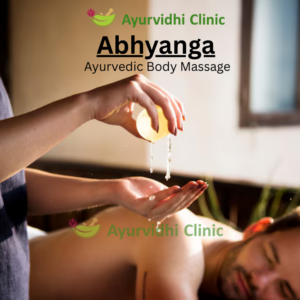
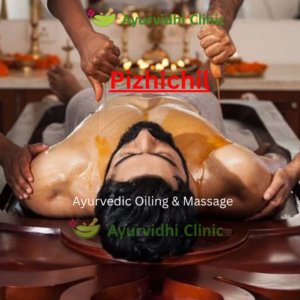
Abhyanga (Medicated Oil Massage)
-
Improves circulation
-
Reduces dryness and stiffness
-
Nourishes muscles and joints
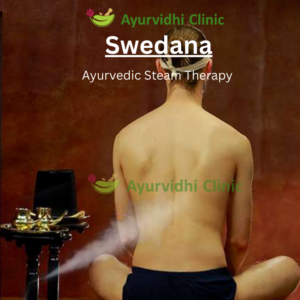
Swedana (Fomentation Therapy)
-
Relieves muscle tightness
-
Enhances joint flexibility
Patra Pinda Swedana / Shashlik Shali Pinda Swedana
-
Useful in chronic or long-standing cases
-
Strengthens muscles and connective tissues
Nasya (Nasal Therapy)
-
Beneficial when shoulder stiffness is associated with neck involvement
All therapies are planned based on stage of disease and patient tolerance.
Diet and Lifestyle Guidance (Pathya–Apathya)
Pathya (Recommended)
-
Warm, freshly cooked meals
-
Use of ghee and sesame oil
-
Light, nourishing foods
-
Gentle shoulder mobility exercises
Apathya (To Avoid)
-
Cold, dry, and refrigerated foods
-
Excess curd and bakery products
-
Daytime sleeping
-
Sudden heavy exercises or strain
Simple lifestyle changes significantly support recovery.
Expected Results and Healing Timeline
Ayurvedic healing is gradual and sustainable:
-
Pain relief usually begins within a few weeks
-
Mobility improves progressively with therapy
-
Long-term stability depends on compliance and follow-up
Results vary based on age, chronicity, associated conditions, and lifestyle adherence.
Why Ayurvedic Treatment Is Different
-
Addresses root cause rather than temporary pain relief
-
Focuses on joint, nerve, and digestive health together
-
Personalized treatment approach
-
Reduces recurrence and dependency on painkillers
Ayurveda views Frozen Shoulder as a systemic imbalance, not an isolated joint issue.
When to Consult an Ayurvedic Doctor
-
Shoulder pain lasting more than a few weeks
-
Increasing stiffness or restricted movement
-
Night pain disturbing sleep
-
Temporary relief from painkillers
-
Desire for non-invasive, holistic care
Early consultation leads to better outcomes.
Conclusion: Gentle Healing with Classical Ayurvedic Wisdom
Frozen Shoulder can be physically limiting, but Ayurveda offers a time-tested, holistic approach to restore comfort and mobility. By correcting Dosha imbalance, improving digestion, removing toxins, and nourishing joints, Ayurvedic and Panchakarma therapies support long-term healing.
With proper guidance and timely care, many patients experience meaningful improvement without invasive procedures.
Call to Action
If you are experiencing persistent shoulder pain or stiffness, consult an experienced Ayurvedic physician for a personalized evaluation and treatment plan. Early, holistic intervention can help prevent long-term discomfort


Recent Comments