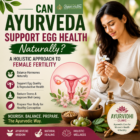

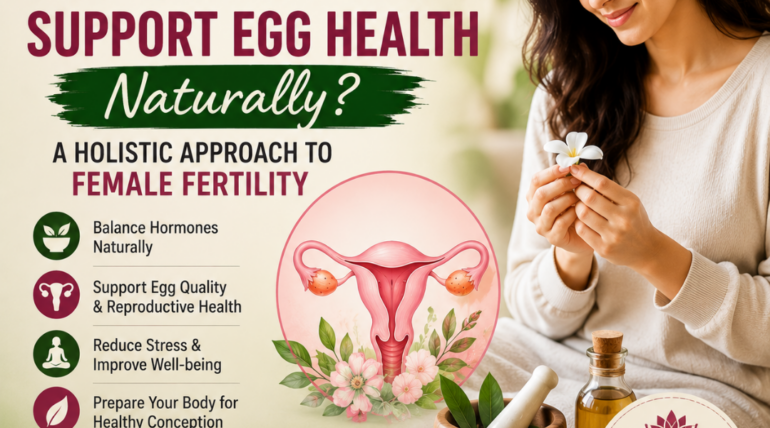
Illustration of Ayurvedic support for female fertility and egg quality, showing a woman with Ayurvedic herbs, reproductive system imagery, and holistic fertility care.

Ayurvedic Fertility Treatment: Can Ayurveda Support Egg Health?

Can Ayurveda Support Egg Health Naturally? A Holistic Approach to Female Fertility

“My reports are normal, but why am I still not getting pregnant?”

“My AMH is low. Can I still conceive?”

“Is there anything I can do naturally to support my egg health?”

These are common and deeply personal questions faced by women planning pregnancy, especially after the age of 30–35 or after unsuccessful fertility treatment.

When fertility becomes a concern, attention often shifts immediately to AMH, follicular scans, ovulation and IVF reports. These investigations are important, but fertility is more than a number on a laboratory report.

From an Ayurvedic perspective, reproductive health is connected with the health of the entire body. Digestion, nutrition, Dosha balance, menstrual health, sleep, stress, metabolism and reproductive tissue nourishment all matter.

This is where an individualized Ayurvedic approach to female fertility can provide supportive care.

Ayurveda does not promise to reverse age-related changes or guarantee pregnancy. Instead, its focus is on improving overall health, correcting imbalances and preparing the body for conception in a personalized manner.


What Is Egg Health and Why Does It Matter?

A woman is born with a finite number of eggs. As age increases, both the number of available eggs and their developmental potential can change.

When people talk about “egg quality,” they generally mean the ability of an egg to successfully participate in fertilization and support normal embryo development.

Egg health may be influenced by several factors, including:

  • Age
  • Ovarian reserve
  • Hormonal health
  • Ovulation
  • Metabolic health
  • Nutritional status
  • Oxidative stress
  • Lifestyle
  • Sleep
  • Chronic stress
  • Certain reproductive conditions

It is important to distinguish egg quality from ovarian reserve.

Tests such as AMH are commonly used to provide information about ovarian reserve. However, AMH alone does not tell us whether an individual egg is healthy or whether pregnancy will occur.

Therefore, fertility assessment should always consider the complete clinical picture.


Can Ayurveda Improve Egg Quality Naturally?

This is one of the most common questions women ask.

The honest answer is that Ayurveda should not be promoted as a guaranteed method to increase egg quality or reverse age-related decline in ovarian function.

However, Ayurvedic treatment can take a broader approach to support reproductive wellness.

The focus may include:

  • Improving digestion and metabolism
  • Supporting adequate nutrition
  • Maintaining healthy menstrual function
  • Managing stress
  • Improving sleep
  • Correcting lifestyle-related imbalances
  • Supporting reproductive tissue nourishment
  • Preparing the body before conception

This approach is particularly useful when fertility concerns are accompanied by irregular periods, PCOS, digestive problems, stress, poor sleep, weakness or unhealthy lifestyle patterns.


The Ayurvedic Understanding of Female Fertility

Ayurveda does not describe fertility only in terms of the ovaries or reproductive organs.

It considers conception to depend on the proper functioning and nourishment of the entire body.

Important Ayurvedic concepts include Dosha, Agni, Dhatu, Srotas and Ojas.

Dosha

Vata, Pitta and Kapha regulate different physiological functions.

An imbalance in these Doshas may influence digestion, metabolism, menstruation and reproductive health.

Agni

Agni refers to digestive and metabolic strength.

Ayurveda considers proper digestion essential because the nourishment of deeper tissues depends on the proper processing and assimilation of food.

Dhatu

The body is described as having seven Dhatus, or tissue systems.

Artava Dhatu is associated with female reproductive function and is therefore an important consideration in Ayurvedic fertility care.

Srotas

Srotas are channels through which nutrients and physiological processes are carried throughout the body.

Healthy functioning of reproductive channels is important from an Ayurvedic perspective.

Ojas

Ojas represents vitality, resilience and overall strength.

For a woman preparing for conception, maintaining adequate strength and nourishment is an important part of Ayurvedic preconception care.


How Digestion Can Influence Fertility According to Ayurveda

A woman may be eating healthy food but still have poor digestion.

Symptoms such as:

  • Bloating
  • Constipation
  • Indigestion
  • Loss of appetite
  • Heaviness after meals
  • Irregular bowel movements

may indicate that digestion needs attention.

Ayurveda emphasizes Agni because properly digested food provides nourishment to the tissues.

When digestion is impaired, Ayurveda describes the formation of Ama, which can be understood simply as improperly processed metabolic material.

Therefore, an Ayurvedic fertility assessment may look beyond reproductive reports and ask:

How well are you digesting and utilizing the food you eat?

This is one of the reasons Ayurvedic fertility treatment is individualized.


Lifestyle Habits That May Affect Reproductive Wellness

Modern women often manage multiple responsibilities simultaneously.

Long working hours, irregular meals, late-night screen use, inadequate sleep, chronic stress and insufficient physical activity can gradually affect overall health.

Some women also follow extreme diets because of fertility-related anxiety.

Examples include:

  • Skipping meals
  • Excessive fasting
  • Crash dieting
  • Excessive exercise
  • Sleeping very late
  • Constantly changing supplements
  • Taking fertility herbs without consultation

Ayurveda emphasizes Dinacharya, or a healthy daily routine.

Simple consistency can be more useful than constantly searching for the next fertility supplement.


Ayurvedic Diet for Supporting Reproductive Health

Ayurvedic nutrition is not about eating one “fertility food.”

Instead, the objective is to provide appropriate nourishment according to the individual’s constitution, digestion and health condition.

A generally nourishing diet may include:

Protein-rich foods

Dal, pulses, legumes and other suitable protein sources can contribute to nutritional adequacy.

Healthy fats

Ghee, nuts and seeds may be included in suitable quantities depending on digestion and individual requirements.

Fresh fruits

Seasonal fruits can provide important nutrients and antioxidants.

Vegetables

A variety of properly cooked vegetables can support a balanced diet.

Whole grains

Appropriate whole grains can provide energy and dietary fibre.

Adequate hydration

Proper fluid intake is important for general health.

However, there is no universal Ayurvedic fertility diet.

For example, dietary recommendations for a woman with PCOS, insulin resistance, underweight status or digestive weakness may be completely different.

A personalized assessment is therefore more appropriate than following an internet diet plan.


What About Shatavari and Other Ayurvedic Herbs?

Women searching for natural fertility support frequently come across herbs such as:

  • Shatavari
  • Ashwagandha
  • Amalaki
  • Guduchi
  • Other classical Ayurvedic formulations

These herbs have traditional applications in Ayurveda, but that does not mean that every herb is appropriate for every woman.

The choice depends on:

  • Prakriti
  • Vikriti
  • Age
  • Digestion
  • Menstrual pattern
  • Current medications
  • Medical conditions
  • Fertility treatment
  • Pregnancy status

Natural does not automatically mean suitable for everyone.

Women undergoing IVF, IUI or other fertility treatments should discuss all Ayurvedic medicines and supplements with their treating doctors.


Ayurveda and Low AMH: What Should Women Understand?

A low AMH report can create considerable anxiety.

Many women immediately assume:

“My AMH is low, so I cannot become pregnant.”

This conclusion is not correct.

AMH is primarily used as a marker of ovarian reserve. It can provide useful information, particularly when planning assisted reproductive treatment, but it does not independently determine the possibility of pregnancy.

Ayurvedic treatment should therefore not be marketed as a guaranteed way to “increase AMH.”

Instead, an Ayurvedic physician may focus on the woman’s overall health, including:

  • Menstrual health
  • Digestion
  • Nutrition
  • Stress
  • Sleep
  • Metabolism
  • Lifestyle
  • Reproductive wellness

The fertility plan should be based on the complete clinical picture.


Can Panchakarma Be Used Before Pregnancy Planning?

Ayurveda traditionally gives importance to preconception preparation.

Panchakarma may be considered in selected individuals when clinically appropriate.

Possible procedures may include:

  • Virechana
  • Basti
  • Abhyanga
  • Swedana
  • Other individualized Ayurvedic procedures

However, Panchakarma is not a compulsory fertility treatment for every woman.

The treatment should depend upon the individual’s:

  • Dosha imbalance
  • Agni
  • Ama
  • Strength
  • Age
  • Menstrual health
  • Medical history
  • Fertility treatment status

The purpose is not simply to perform a generic “detox.”

The Ayurvedic objective is to establish appropriate physiological balance and prepare the body appropriately before conception.

Panchakarma should always be planned and performed under the supervision of a qualified Ayurvedic physician.


Fertility Support After 35: Why Timely Care Matters

Age is an important factor in female fertility.

As reproductive age advances, ovarian reserve and egg quality can change. Therefore, women planning pregnancy after 35 should not unnecessarily postpone fertility evaluation.

Ayurveda can be considered as a supportive component of a broader fertility-care plan.

An individualized approach may focus on:

  • Preconception nutrition
  • Healthy digestion
  • Lifestyle correction
  • Stress management
  • Menstrual wellness
  • Appropriate Ayurvedic therapies
  • Personalized medicines
  • Reproductive health assessment

The goal is supportive and holistic care, not unrealistic promises.


Stress and Fertility: The Mind-Body Connection

Fertility treatment can become emotionally exhausting.

A woman may experience:

Hope → waiting → disappointment → anxiety → another attempt.

Repeated cycles can create significant emotional pressure.

Ayurveda recognizes the relationship between Manas (mind) and the body.

Supportive practices may include:

  • Meditation
  • Pranayama
  • Gentle yoga
  • Abhyanga
  • Adequate sleep
  • Relaxation
  • Spending time outdoors
  • Maintaining a regular daily routine

Managing stress does not mean that fertility problems are “all in your mind.”

It means that emotional well-being deserves attention as part of complete healthcare.


What Should You Avoid When Trying to Improve Fertility Naturally?

Be cautious of claims such as:

  • “Guaranteed pregnancy”
  • “100% egg quality improvement”
  • “Reverse low AMH”
  • “Increase ovarian reserve naturally”
  • “Pregnancy in 30 days”
  • “One herb can cure infertility”

Fertility is complex.

A responsible Ayurvedic fertility program should explain both what Ayurveda can potentially support and where its limitations lie.

Your treatment should be based on your individual health—not on promises made in advertisements.


Ayurvedic Preconception Care: Preparing the Body for Pregnancy

Rather than waiting until pregnancy occurs, Ayurveda emphasizes preparation before conception.

This may include attention to:

Nutrition

Ensuring adequate and appropriate nourishment.

Digestion

Supporting healthy Agni and correcting digestive disturbances.

Lifestyle

Establishing a stable daily routine.

Sleep

Maintaining regular and restorative sleep.

Mental well-being

Reducing unnecessary stress and emotional exhaustion.

Menstrual health

Understanding cycle regularity, symptoms and individual patterns.

Reproductive health

Identifying conditions that may require further evaluation or treatment.

This holistic preparation can be an important part of a healthy conception journey.


How Ayurvidhi Clinic Approaches Female Fertility

At Ayurvidhi Clinic, we believe fertility care should begin by understanding the woman—not simply looking at one fertility report.

Our Ayurvedic approach may involve a detailed assessment of:

  • Prakriti and Vikruti
  • Menstrual history
  • Digestive health
  • Lifestyle
  • Sleep
  • Stress
  • Nutritional habits
  • Previous fertility treatment
  • Relevant medical reports

Based on the assessment, treatment may include personalized:

  • Ayurvedic medicines
  • Dietary guidance
  • Lifestyle modification
  • Stress-management strategies
  • Preconception care
  • Panchakarma therapies when appropriate

The aim is to support the woman’s overall health and reproductive wellness while maintaining realistic expectations.

Looking for Personalized Ayurvedic Fertility Support?

If you are concerned about low AMH, egg health, irregular periods, PCOS, delayed conception or fertility after 35, avoid self-treatment based on social media or internet recommendations.

A proper consultation can help determine which aspects of your health require attention.

Book a personalized Ayurvedic fertility consultation at Ayurvidhi Clinic.

📞 Call / WhatsApp: 9511953471


Frequently Asked Questions

Can Ayurveda improve egg quality naturally?

Ayurveda may support overall reproductive wellness through individualized nutrition, lifestyle correction, stress management, digestive care and appropriate therapies. However, there is no ethical basis for guaranteeing improved egg quality or pregnancy.

Can Ayurveda increase low AMH?

AMH primarily reflects ovarian reserve. Ayurvedic treatment should not be promoted as a guaranteed method to increase AMH. Instead, treatment can focus on supporting overall reproductive and metabolic health.

Is Shatavari useful for female fertility?

Shatavari has a long traditional history in Ayurvedic women’s health. However, the appropriate use, dose and duration depend on the individual’s health condition. It should not be self-prescribed.

Is Panchakarma necessary before pregnancy?

No. Panchakarma is not necessary for every woman. Selected procedures may be considered after individual Ayurvedic assessment when clinically appropriate.

Can Ayurveda be taken along with IVF or IUI?

Ayurvedic care may sometimes be used as supportive care alongside assisted reproductive treatment. However, both the Ayurvedic physician and fertility specialist should know about all medicines and procedures being used.

How long does Ayurvedic fertility treatment take?

There is no fixed timeline. Treatment depends on age, reproductive health, lifestyle, diagnosis and individual response. Fertility care should be reviewed periodically rather than based on a promised time frame.


When Should You Consult a Fertility Specialist?

Do not delay appropriate fertility evaluation while trying home remedies.

Professional evaluation is particularly important if you have:

  • Difficulty conceiving
  • Irregular or absent periods
  • PCOS
  • Endometriosis
  • Repeated pregnancy loss
  • Low AMH or abnormal ovarian reserve testing
  • Previous unsuccessful IVF/IUI
  • Significant pelvic pain
  • Increasing reproductive age with fertility concerns

Ayurvedic care can be considered as part of an informed and coordinated fertility-care plan.


Supporting Fertility Through a Holistic Ayurvedic Approach

Fertility is not determined by a single number.

While age, ovarian reserve and reproductive conditions are important, nutrition, digestion, lifestyle, stress, sleep and overall health also deserve attention.

Ayurveda offers a holistic framework that looks at the individual through concepts such as Dosha, Agni, Ama, Dhatu, Srotas, Prakriti and Vikruti.

The purpose of Ayurvedic fertility care is not to make unrealistic promises. It is to understand the individual’s health, correct appropriate imbalances and support reproductive wellness through personalized care.

If you are planning pregnancy, concerned about egg health, dealing with low AMH or looking for fertility support after 35, consider taking the next step with a qualified Ayurvedic physician.

Your fertility journey deserves understanding, individualized care and realistic hope.

📞 Book your consultation at Ayurvidhi Clinic: 9511953471

Medical Disclaimer

This article is intended for general educational purposes. Ayurvedic treatment should be individualized and prescribed by a qualified Ayurvedic physician. Fertility concerns may require gynecological or reproductive evaluation. Ayurvedic treatment should not be used to discontinue prescribed fertility treatment without medical advice. Fertility outcomes vary between individuals.

Read More
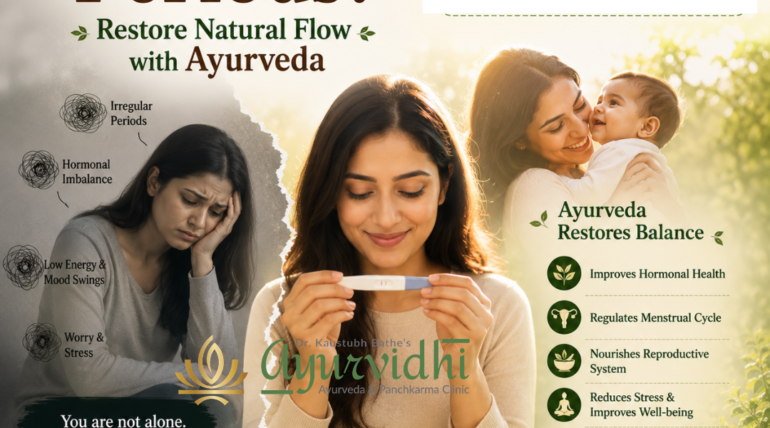
Woman smiling at a pregnancy test representing improved fertility, alongside a stressed woman symbolizing scanty periods, highlighting Ayurvedic treatment for hormonal balance and menstrual health.

Scanty Periods? Restore Natural Flow with Ayurveda

Many women quietly experience scanty menses (low menstrual flow) but often ignore it thinking,
“Periods are coming, so everything must be normal.”

However, when menstrual flow is consistently low, it may indicate a deeper imbalance in the body—especially when you are planning pregnancy.

From an Ayurvedic perspective, menstruation (Artava) reflects the health of the reproductive system and overall body balance. Scanty flow is not just a symptom—it is a signal that the body needs attention.


Ayurvedic Understanding of Scanty Menses

In Ayurveda, scanty menstruation can be correlated with:

  • Artava Kshaya (reduced menstrual flow)
  • Vata-Pitta imbalance
  • Improper nourishment of reproductive tissues (Artava Dhatu)

For healthy menstruation, Ayurveda emphasizes:

  • Balanced Doshas
  • Proper tissue nourishment
  • Clear reproductive channels (Artavavaha Srotas)

Dosha Involvement

Vata Dosha (especially Apana Vata)

  • Governs menstrual flow and downward movement
  • When aggravated → reduced or irregular flow

Pitta Dosha

  • Controls blood and hormonal functions
  • Imbalance → poor endometrial development

Kapha Dosha

  • Responsible for nourishment
  • Deficiency → weak tissue formation

👉 Most commonly:
Vata imbalance + Poor nourishment = Scanty menses


Role of Agni & Ama

  • Weak digestion (Mandagni) → improper tissue formation
  • Accumulation of toxins (Ama) → blockage in reproductive channels

👉 Leads to:

  • Thin endometrial lining
  • Hormonal imbalance
  • Reduced menstrual flow

Common Causes According to Ayurveda


🍽 Dietary Factors

  • Skipping meals or crash dieting
  • Excess junk and processed food
  • Low intake of healthy fats (like ghee)

🌙 Lifestyle Factors

  • Late-night sleeping (Ratri-jagaran)
  • Excessive exercise or weight loss
  • Irregular routine

🧠 Mental / Stress Factors

  • Chronic stress
  • Anxiety or emotional suppression
  • Work pressure

👉 In clinical practice, stress is one of the most common hidden causes.


🩺 Symptoms Explained in Simple Language

Women with scanty menses may notice:

  • Very light bleeding (1–2 days)
  • Delayed cycles
  • Brownish discharge instead of proper flow
  • Lower abdominal discomfort
  • Difficulty in conceiving (in some cases)

Ayurvedic Line of Treatment

Treatment is planned based on root cause and individual constitution.


1. Shodhana (Detoxification)

Recommended in selected cases.

Therapies:

  • Virechana (Pitta detox) → Improves hormonal balance
  • Basti (Vata balancing therapy) → Corrects Apana Vata

👉 Helps in clearing blockages and improving flow


2. Shamana (Balancing Treatment)

Includes:

  • Herbal medicines
  • Uterine tonics
  • Rasayana (rejuvenation therapy)

👉 Focus:

  • Nourishing Artava Dhatu
  • Improving endometrial health

3. Role of Panchakarma

Panchakarma is very effective in chronic cases.

Key therapies:

  • Uttar Basti → Direct action on uterus
  • Basti therapy → Corrects Vata imbalance
  • Abhyanga & Swedana → Improves circulation

👉 These therapies help in:

  • Improving menstrual flow
  • Enhancing uterine health
  • Supporting fertility

Benefits for Reproductive Health

Ayurvedic treatment supports overall reproductive wellness:

  • Improves menstrual regularity
  • Enhances endometrial thickness
  • Supports ovulation
  • Improves fertility potential
  • Balances hormones naturally

🥗 Diet & Lifestyle Advice (Pathya-Apathya)


Pathya (Recommended)

  • Warm, freshly cooked food
  • Cow ghee and milk
  • Sesame seeds (til)
  • Dry fruits (almonds, dates)
  • Iron-rich foods

Apathya (Avoid)

  • Cold drinks and ice cream
  • Processed and packaged food
  • Excess fasting or dieting
  • Late-night habits

🌿 Lifestyle Recommendations

  • Sleep before 10 PM
  • Maintain regular routine
  • Gentle yoga for pelvic health
  • Stress management (pranayama, meditation)

Expected Results & Healing Timeline

Ayurveda works gradually by correcting root causes:

  • Initial improvement: 4–6 weeks
  • Better cycle pattern: 2–3 months
  • Improved reproductive health: 3–6 months

👉 Results vary based on:

  • Body constitution (Prakriti)
  • Severity of condition
  • Lifestyle compliance

Why Ayurvedic Treatment is Different


🌱 Holistic Approach

Treats the body as a whole—not just the uterus


🧬 Personalized Care

Each treatment is based on individual Dosha imbalance


Long-Term Benefits

Focuses on sustainable reproductive health and fertility


🩺 When to Consult an Ayurvedic Doctor

You should seek guidance if:

  • Periods are consistently scanty
  • Cycles are irregular
  • Planning pregnancy
  • History of hormonal imbalance
  • Previous failed fertility treatments

Conclusion

Scanty menses is not just a minor issue—it is often an early sign of imbalance in the reproductive system.

With the right Ayurvedic approach, it is possible to improve menstrual health naturally and support fertility.

The key is timely intervention, proper diagnosis, and consistent treatment.


Call to Action 

If you are experiencing low menstrual flow or planning for pregnancy,
you may consider consulting an Ayurvedic doctor for a personalized evaluation.

A balanced approach can help your body restore its natural rhythm.

Why To Choose Ayurvidhi Clinic: 

Choosing Ayurvidhi Clinic means choosing authentic, root-cause-based Ayurvedic healing guided by classical principles and personalized care. With a strong focus on balancing Doshas, restoring natural health, and treating chronic conditions holistically, the clinic ensures long-term wellness rather than temporary relief. Under the expert guidance of Dr. Kaustubh Bathe, an experienced Ayurvedic physician known for his deep clinical knowledge, patient-centric approach, and successful results in complex conditions like infertility and lifestyle disorders, patients receive trustworthy, safe, and effective treatment tailored to their unique constitution.


Disclaimer

This article is for educational purposes only. Treatment should be taken under the supervision of a qualified Ayurvedic physician. Results vary from person to person.

Read More
Oligospermia (low sperm count below 15 million/ml) illustrated with sperm cells — Ayurvedic & Panchakarma treatment for male infertility at Ayurvidhi Clinic

“Boost Sperm Count Naturally: Ayurvedic Secrets to Overcoming Oligospermia”

Difficulty in conceiving can be emotionally challenging for any couple, especially when male factors such as low sperm count (oligospermia) are involved. Many men feel anxious, confused, or even hesitant to discuss the issue openly. Modern lifestyle stress, poor diet, pollution, and irregular routines are increasingly affecting male reproductive health.

Oligospermia Ayurvedic Treatment offers a holistic, natural, and safe approach that focuses not only on increasing sperm count but also on improving overall reproductive vitality, hormonal balance, and mental well-being.

In Ayurveda, low sperm count is primarily related to weakness or depletion of Shukra Dhatu (reproductive tissue), often associated with imbalances in Doshas, impaired digestion, toxin accumulation, and lifestyle disturbances. The goal is not a quick fix, but sustainable restoration of reproductive strength.

👉 If you are planning for conception and want a natural, root-cause-based approach, consulting an experienced Ayurvedic physician can be a wise first step.


Ayurvedic Understanding of Oligospermia

In Ayurvedic classics, semen quality and fertility are governed by Shukra Dhatu, the most refined tissue formed after proper nourishment of all previous tissues.

Dosha Involvement

  • Vata Dosha — causes depletion, dryness, low volume, poor motility

  • Pitta Dosha — leads to heat, inflammation, reduced vitality, abnormal morphology

  • Kapha Dosha — may cause sluggishness, obstruction, and reduced functional quality

Most cases involve Vata aggravation with Pitta imbalance, especially due to stress, excessive heat exposure, or sexual overexertion.

Role of Agni & Ama

  • Agni (digestive fire) — Responsible for proper tissue nourishment

  • Ama (metabolic toxins) — Blocks channels and weakens tissue formation

When digestion is weak, nutrition does not transform properly into healthy Shukra Dhatu. Instead, toxins accumulate and reproductive strength declines.


Common Causes According to Ayurveda

Dietary Factors

  • Excessively spicy, oily, junk, or processed food

  • Irregular meal timings

  • Nutritional deficiencies

  • Excess alcohol or smoking

  • Low intake of nourishing foods

Lifestyle Factors

  • Late nights and poor sleep

  • Sedentary habits

  • Excessive physical strain

  • Prolonged sitting (common in IT jobs)

  • Exposure to heat (sauna, hot baths, tight clothing)

Mental & Stress Factors

  • Chronic stress and anxiety

  • Performance pressure

  • Emotional exhaustion

  • Overthinking and mental fatigue

👉 Ayurveda recognizes that mental health strongly influences reproductive health.


Symptoms Explained in Simple Language

Oligospermia itself may not produce obvious symptoms, but associated signs can include:

  • Low sperm count on semen analysis

  • Reduced semen volume

  • Decreased libido

  • Fatigue and weakness

  • Premature ejaculation or erectile issues

  • Mental stress related to infertility

If conception has not occurred despite regular attempts for 6–12 months, evaluation is recommended.

👉 Early consultation improves outcomes significantly.


Ayurvedic Line of Treatment

Oligospermia Ayurvedic Treatment focuses on restoring tissue quality, improving hormonal balance, enhancing vitality, and clearing obstructions.

1. Shodhana (Detoxification)

If toxins and Dosha imbalance are significant, purification therapies may be advised.

Possible procedures include:

  • Vamana (therapeutic emesis) — removes excess Kapha and toxins & help to nourishes Sperm health

  • Virechana (therapeutic purgation) — removes excess Pitta and toxins
  • Basti (medicated enema) — highly beneficial for Vata-related reproductive disorders

These therapies help create a receptive environment for tissue regeneration.


2. Shamana (Balancing Therapies)

After detoxification, nourishing treatments are used to strengthen Shukra Dhatu.

Classical Ayurvedic medicines and formulations may include:

  • Vajikarana (aphrodisiac and fertility-enhancing therapy)

  • Rasayana (rejuvenation therapy)

  • Herbal combinations tailored to individual constitution

The aim is to improve:

  • Sperm count

  • Motility

  • Quality

  • Reproductive energy

  • Overall vitality

👉 Self-medication is not advisable. Proper diagnosis ensures effective results.


Role of Panchakarma in Oligospermia

Panchakarma therapies play a crucial role in moderate to severe cases.

Beneficial procedures may include:

  • Basti therapies for reproductive strengthening

  • Abhyanga (medicated oil massage) for stress reduction

  • Swedana (therapeutic sweating) for detoxification

  • Shirodhara for mental calmness and hormonal balance

These therapies help improve:

  • Circulation to reproductive organs

  • Hormonal regulation

  • Nervous system stability

  • Tissue nourishment


Diet & Lifestyle Advice (Pathya–Apathya)

Recommended Foods (Pathya)

  • Milk and ghee (if digestible)

  • Almonds, walnuts, dates

  • Fresh fruits

  • Whole grains

  • Moong dal

  • Pumpkin seeds and sesame seeds

  • Nourishing soups

Foods to Avoid (Apathya)

  • Excess spicy and fried food

  • Packaged and junk food

  • Alcohol and smoking

  • Excess caffeine

  • Very sour and fermented foods

Lifestyle Recommendations

  • Regular sleep (before 11 PM)

  • Moderate exercise

  • Stress management practices

  • Avoid overheating of testicular region

  • Healthy sexual habits

👉 Even the best medicines cannot work fully without supportive lifestyle changes.


Expected Results & Healing Timeline

Ayurvedic treatment works gradually by rebuilding tissue strength.

Typical improvements may occur as follows:

  • 4–6 weeks — better energy and sleep

  • 2–3 months — improved semen parameters

  • 3–6 months — enhanced reproductive health

  • Long-term — sustained vitality

Results vary depending on:

  • Age

  • Cause of oligospermia

  • Duration of condition

  • Compliance with treatment

  • Individual constitution


Why Ayurvedic Treatment is Different

Holistic Approach

Instead of focusing only on sperm count, Ayurveda improves overall reproductive capacity.

Personalized Treatment

Each patient receives a plan based on:

  • Prakriti (body constitution)

  • Vikriti (current imbalance)

  • Lifestyle

  • Mental health

  • Digestive strength

Long-Term Relief Focus

The goal is not temporary improvement but sustainable fertility enhancement and general health.


When to Consult an Ayurvedic Doctor

Seek professional guidance if:

  • You are trying to conceive for over 6–12 months

  • Semen analysis shows low sperm count

  • You have associated sexual weakness

  • Stress or fatigue is affecting reproductive health

  • You want a natural alternative or supportive therapy

👉 Early intervention prevents further decline and improves success chances.


Conclusion

Oligospermia can be distressing, but it is not hopeless. With proper diagnosis, disciplined lifestyle, and individualized Ayurvedic care, many men experience significant improvement in reproductive health.

Oligospermia Ayurvedic Treatment aims to restore balance, rebuild vitality, and support natural conception safely and holistically — without harsh interventions.

Remember, fertility is a reflection of overall health. Strengthening the body and mind naturally often yields the most sustainable results.

If you or your partner are facing difficulty in conceiving due to low sperm count, do not delay seeking expert guidance.

🌿 A personalized Ayurvedic consultation can help identify the root cause and create a safe, natural treatment plan tailored to your body.

👉 Book an appointment with a qualified Ayurvedic physician to begin your journey toward improved reproductive health and confidence

Read More
ACL tear knee injury illustration with highlighted ligament damage and Ayurvedic treatment benefits for pain relief and healing at Ayurvidhi Clinic.

ACL Tear Recovery the Ayurvedic Way!

Introduction:

When a Knee Injury Changes Your Daily Movement

An ACL tear can be physically painful and emotionally disturbing. Many patients describe the moment of injury clearly — a sudden twist while playing cricket, football, kabaddi, gym workout, or even slipping on stairs. After that comes swelling, instability, fear of walking properly, and uncertainty about the future.

In modern practice, ACL (Anterior Cruciate Ligament) injuries are often associated with surgical reconstruction. However, from an Ayurvedic perspective, ligament injury is understood through the lens of Vata aggravation, Asthi-Majja Dhatu involvement (bone and nerve tissue), impaired Agni (digestion), and obstruction of Srotas (body channels).

ACL Tear Ayurvedic Treatment does not claim to replace emergency surgical care where required. Instead, Ayurveda offers supportive and restorative management that focuses on reducing inflammation, improving stability, nourishing tissues, and enhancing long-term joint strength.

Let us understand this condition from a classical Ayurvedic viewpoint.


Ayurvedic Understanding of ACL Tear

In Ayurvedic texts such as Sushruta Samhita, trauma-related injuries are described under Bhagna (fractures and ligament injuries) and Snayu Vikara (ligament disorders).

🔹 Dosha Involvement

  • Vata Dosha (movement and nerve control) – primary aggravation in ligament injuries

  • Pitta Dosha (inflammation and heat) – responsible for swelling and pain in acute phase

  • Kapha Dosha – may contribute to stiffness during recovery stage

An ACL tear primarily reflects Vata vitiation affecting Snayu (ligaments).


🔹 Role of Agni and Ama

After injury:

  • Poor digestion due to stress or medication weakens Agni (digestive fire)

  • Improper metabolism leads to formation of Ama (toxic residue)

  • Ama may aggravate swelling and delay tissue healing

Therefore, improving digestion is an essential part of recovery.


🔹 Srotas (Body Channels) Involved

  • Asthi Vaha Srotas (bone channels)

  • Majja Vaha Srotas (nerve and marrow channels)

  • Mamsa Vaha Srotas (muscle channels)

Proper nourishment of these channels is necessary for ligament healing and joint stability.


Common Causes According to Ayurveda

While ACL tear is often due to trauma, Ayurveda looks at predisposing factors as well.

Physical Causes

  • Sudden twisting movements

  • Sports injuries

  • Weak musculature around knee

  • Improper warm-up before exercise

Dietary Causes

  • Poor nourishment leading to weak Asthi Dhatu

  • Excess dry, processed, or junk food

  • Low intake of strengthening foods

Lifestyle Factors

  • Sedentary lifestyle

  • Lack of regular joint strengthening exercises

  • Overexertion without adequate rest

Mental & Stress Factors

  • Chronic stress increasing Vaata

  • Fear and anxiety post-injury slowing recovery

Ayurveda recognizes that mental stress can delay tissue healing.


Symptoms Explained in Simple Language

Patients with ACL tear may experience:

  • Sudden knee pain after injury

  • Swelling around the knee

  • Feeling of instability or “knee giving way”

  • Difficulty walking or climbing stairs

  • Restricted knee movement

Severity varies depending on partial or complete tear.


Ayurvedic Line of Treatment for ACL Tear

Ayurvedic management depends on:

  • Stage of injury (acute or chronic)

  • Extent of ligament damage

  • Associated swelling or instability

  • Patient’s constitution (Prakriti)

Treatment is divided into phases.


🔹 1. Shodhana (Detoxification – When Indicated)

In chronic cases with Ama accumulation and stiffness:

  • Basti (medicated enema therapy)
    Considered best for Vaata disorders
    Helps nourish Asthi and Majja Dhatu

Shodhana is not advised in the immediate acute traumatic phase.


🔹 2. Shamana (Balancing & Supportive Therapies)

“Ayurvedic medicine with herbal tea, turmeric, honey, ginger, cinnamon, medicinal herbs, and tablets representing natural healing at Ayurvidhi Clinic.”
“Ayurvedic medicine focuses on holistic healing using natural herbs, medicinal teas, and time-tested formulations. At Ayurvidhi Clinic, we offer personalized Ayurvedic treatments to restore balance, boost immunity, and promote long-term wellness naturally.”

Internal medicines focus on:

  • Pacifying aggravated Vata

  • Supporting ligament healing

  • Reducing inflammation

  • Strengthening Asthi Dhatu

Classical formulations (as per indication):

  • Guggulu
  • Dashamoola preparations

  • Asthi-poshak formulations

Medicines are prescribed only after proper assessment.


Role of Panchakarma in ACL Tear Management

Panchakarma plays a major supportive role, especially in rehabilitation phase.

Abhyanga (Medicated Oil Massage)

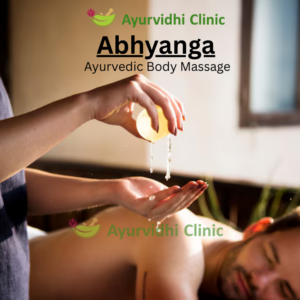
Ayurvidhi Clinic image showing Abhyanga Ayurvedic body massage with warm herbal oil poured on the body, promoting relaxation, detoxification, and holistic wellness.
The image shows a therapist gently pouring warm herbal oil onto the body of a person during an Abhyanga Ayurvedic massage session. The client is lying comfortably, symbolizing relaxation and healing. The soft lighting and natural tones reflect calmness and rejuvenation. The text “Abhyanga – Ayurvedic Body Massage” with the Ayurvidhi Clinic logo highlights the therapeutic benefits of traditional oil massage for detoxification, stress relief, and holistic wellness.
  • Improves circulation

  • Reduces stiffness

  • Nourishes muscles and ligaments

Swedana (Fomentation)

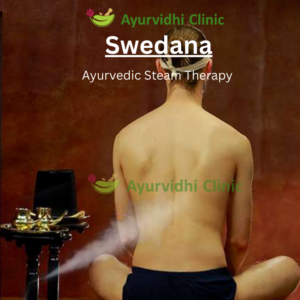
Ayurvidhi Clinic image showing Swedana Ayurvedic steam therapy, with herbal steam applied to the back for detoxification, pain relief, and dosha balance.
Swedana Ayurvedic Steam Therapy helps eliminate toxins, relieve stiffness, and improve circulation. At Ayurvidhi Clinic, this traditional therapy is used to support joint health, muscle relaxation, detoxification, and enhanced results of Panchakarma treatments.
  • Relieves tightness

  • Reduces swelling in subacute stage

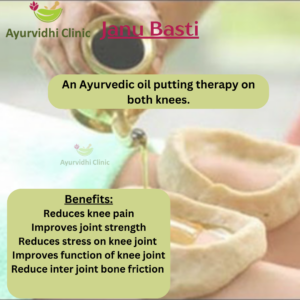
Janu Basti (Localized Oil Retention Therapy)

“Janu Basti Ayurvedic therapy with warm medicated oil retained over the knee joint using a dough ring for knee pain and osteoarthritis treatment at Ayurvidhi Clinic.”
“Janu Basti is a classical Panchakarma therapy where warm medicated oil is retained over the knee joint to reduce pain, stiffness, inflammation, and improve joint mobility in conditions like osteoarthritis and chronic knee pain.”
  • Warm medicated oil retained over knee joint

  • Improves ligament nourishment

  • Supports stability

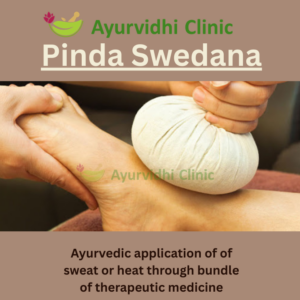
Pinda Sweda

“Pinda Swedana Ayurvedic therapy showing herbal bolus fomentation applied to the ankle joint for pain relief and muscle stiffness at Ayurvidhi Clinic.”
“Pinda Swedana is a classical Ayurvedic sudation therapy where warm herbal boluses are applied to relieve joint pain, muscle stiffness, inflammation, and improve circulation naturally.”
  • Helpful in chronic stiffness

  • Strengthens surrounding muscles

Panchakarma is customized based on recovery stage.


Diet & Lifestyle Advice (Pathya–Apathya)

✅ Pathya (Recommended)

  • Warm, nourishing food

  • Cow ghee in moderation

  • Milk (if suitable)

  • Sesame seeds

  • Moong dal and rice

  • Gentle physiotherapy under guidance

❌ Apathya (To Avoid)

  • Cold, dry foods

  • Excessive fasting

  • Sudden weight-bearing activity

  • Ignoring rest during acute phase

Balanced rest and gradual strengthening are essential.


Expected Results & Healing Timeline

Ligament healing is gradual.

  • Swelling reduction: few weeks

  • Improved stability: 6–12 weeks

  • Strength restoration: gradual and supervised

Recovery depends on:

  • Severity of tear

  • Age and general health

  • Compliance with therapy

  • Physiotherapy support

Ayurveda supports natural healing but does not promise instant repair.


Why ACL Tear Ayurvedic Treatment Is Different

  • Focuses on tissue nourishment

  • Strengthens surrounding muscles

  • Improves digestion and metabolism

  • Addresses stress-related Vaata aggravation

  • Personalized treatment approach

Ayurveda views injury recovery as a systemic healing process, not just local ligament repair.


When to Consult an Ayurvedic Doctor

  • After initial diagnosis of ACL tear

  • For supportive recovery post-surgery

  • In partial tears seeking conservative management

  • For chronic knee instability

  • If looking for holistic rehabilitation support

Emergency and surgical decisions should always be taken after orthopedic evaluation when required.


Conclusion: Supporting Natural Healing with Classical Wisdom

ACL injuries can be physically and mentally challenging. Ayurveda provides a structured, supportive, and holistic approach to improve recovery, strengthen ligaments, and enhance joint stability.

Through proper Dosha balance, digestive correction, Panchakarma therapies, and lifestyle guidance, many patients experience meaningful improvement in comfort and function.

Ayurvedic care works best when integrated responsibly with necessary medical evaluation.


Soft Call to Action

If you have been diagnosed with an ACL tear or are recovering from knee ligament injury, consult a qualified Ayurvedic physician for a personalized assessment. Early holistic care can support better long-term knee health.

Medical Disclaimer: Results vary depending on individual constitution, injury severity, and treatment adherence. Ayurveda supports recovery but does not replace emergency orthopedic care where indicated.

Read More
create an alt text for the image and also SEO-Optimized Caption to mention in WordPress, GMB description, SEO-optimized filename, Short caption for Instagram, Image Description (for blog SEO) & hashtag

Frozen Shoulder Relief the Ayurvedic Way

When Shoulder Pain Slowly Restricts Your Life

Persistent shoulder pain, stiffness, and difficulty raising the arm can quietly disrupt daily routines—dressing, combing hair, sleeping comfortably, or even performing routine household or office work. Many patients delay treatment, assuming it is age-related or temporary, only to realize later that the shoulder has gradually “frozen.”

In Ayurveda, Frozen Shoulder is not viewed as a sudden joint disorder but as a progressive condition arising from Dosha imbalance, weak digestion (Agni), toxin accumulation (Aama), and impaired nourishment of joints and nerves. Ayurvedic management focuses on understanding the root cause and restoring natural movement gradually, without suppressing symptoms.

This blog explains the Ayurvedic understanding of Frozen Shoulder and how Ayurveda and Panchakarma therapies support long-term relief in a safe and ethical manner.


Ayurvedic Understanding of Frozen Shoulder

Classical Ayurvedic texts such as Charaka Samhita and Ashtanga Hridaya describe shoulder stiffness and pain under conditions like Avabahuka and Bahushosha.

Dosha Involvement

  • Vaata Dosha (responsible for movement and nerve function) is primarily aggravated

  • Kapha Dosha (responsible for lubrication and stability) contributes to stiffness

When aggravated Vaata dries the joint tissues and Kapha blocks movement, the shoulder gradually loses mobility.

Role of Agni and Aama

  • Weak digestive fire (Mandagni) leads to formation of Aama (toxic metabolic residue)

  • Aama circulates and lodges in joints, causing pain, heaviness, and stiffness

Srotas (Body Channels)

  • Asthi Vaha Srotas (channels of bones and joints) become obstructed

  • Proper nourishment of shoulder structures is compromised

In simple terms, Frozen Shoulder develops due to poor digestion, toxin accumulation, and disturbed joint nourishment.


Common Causes of Frozen Shoulder According to Ayurveda

Dietary Factors

  • Excess intake of dry, cold, or processed foods

  • Irregular meal timings

  • Excessive tea, coffee, or packaged snacks

Lifestyle Factors

  • Prolonged desk work and poor posture

  • Lack of regular physical activity

  • Sudden exposure to cold air or cold climate

  • Long periods of shoulder immobility after injury

Medical & Age-Related Factors

  • Diabetes mellitus

  • Post-surgical or post-traumatic immobilization

  • Natural increase of Vaata Dosha with age

Mental & Emotional Factors

  • Chronic stress and anxiety

  • Poor sleep quality

Ayurveda emphasizes that mental stress directly aggravates Vata, worsening musculoskeletal conditions.


Symptoms Explained in Simple Language

Patients commonly report:

  • Gradual onset of shoulder pain

  • Difficulty lifting or rotating the arm

  • Pain during daily activities like bathing or dressing

  • Night pain affecting sleep

  • Progressive stiffness and restricted movement

Without timely intervention, stiffness may worsen and recovery may take longer.


Ayurvedic Line of Treatment for Frozen Shoulder

Ayurvedic treatment is individualized based on the patient’s Prakriti (constitution) and Vikruti (current imbalance).

1. Shodhana (Detoxification – When Required)

Shodhana therapies are advised when Aama accumulation is significant.

  • Virechana (therapeutic purgation)
    Helps clear deep-seated toxins and balance Vaata-Kapha Dosha

  • Basti (medicated enema therapy)

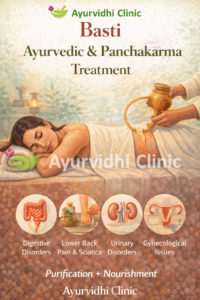
  • “Basti therapy being administered as an Ayurvedic Panchakarma treatment for digestive, urinary, gynecological, and lower back disorders at Ayurvidhi Clinic.”
    “Basti Therapy is one of the most powerful Panchakarma treatments in Ayurveda, especially for balancing Vata dosha. At Ayurvidhi Clinic, Basti is used for detoxification, nourishment, and effective management of digestive disorders, lower back pain, sciatica, urinary issues, and gynecological conditions.”


    Considered the most effective treatment for Vaata disorders
    Nourishes nerves, joints, and supports mobility

Detox therapies are recommended only after proper clinical assessment.


2. Shamana (Balancing and Healing Therapies)

“Ayurvedic medicine with herbal tea, turmeric, honey, ginger, cinnamon, medicinal herbs, and tablets representing natural healing at Ayurvidhi Clinic.”
“Ayurvedic medicine focuses on holistic healing using natural herbs, medicinal teas, and time-tested formulations. At Ayurvidhi Clinic, we offer personalized Ayurvedic treatments to restore balance, boost immunity, and promote long-term wellness naturally.”

Shamana treatment focuses on relieving pain and restoring movement gradually.

  • Internal Ayurvedic medicines to:

    • Pacify aggravated Vaata

    • Reduce inflammation

    • Improve joint nourishment

Classical formulations may include herbs such as:

  • Dashamoola

  • Rasna

  • Shallaki

  • Guggulu-based preparations

Medicines are always prescribed after consultation and should not be self-medicated.


Role of Panchakarma in Frozen Shoulder Management

Panchakarma therapies play a vital role in restoring joint function.

Abhyanga (Medicated Oil Massage)

Ayurvidhi Clinic image showing Abhyanga Ayurvedic body massage with warm herbal oil poured on the body, promoting relaxation, detoxification, and holistic wellness.
The image shows a therapist gently pouring warm herbal oil onto the body of a person during an Abhyanga Ayurvedic massage session. The client is lying comfortably, symbolizing relaxation and healing. The soft lighting and natural tones reflect calmness and rejuvenation. The text “Abhyanga – Ayurvedic Body Massage” with the Ayurvidhi Clinic logo highlights the therapeutic benefits of traditional oil massage for detoxification, stress relief, and holistic wellness.
  • Improves circulation

  • Reduces dryness and stiffness

  • Nourishes muscles and joints

Swedana (Fomentation Therapy)

Ayurvidhi Clinic image showing Swedana Ayurvedic steam therapy, with herbal steam applied to the back for detoxification, pain relief, and dosha balance.
Swedana Ayurvedic Steam Therapy helps eliminate toxins, relieve stiffness, and improve circulation. At Ayurvidhi Clinic, this traditional therapy is used to support joint health, muscle relaxation, detoxification, and enhanced results of Panchakarma treatments.
  • Relieves muscle tightness

  • Enhances joint flexibility

Patra Pinda Swedana / Shashlik Shali Pinda Swedana


  • Useful in chronic or long-standing cases

  • Strengthens muscles and connective tissues

Nasya (Nasal Therapy)

  • Beneficial when shoulder stiffness is associated with neck involvement

All therapies are planned based on stage of disease and patient tolerance.


Diet and Lifestyle Guidance (Pathya–Apathya)

Pathya (Recommended)

  • Warm, freshly cooked meals

  • Use of ghee and sesame oil

  • Light, nourishing foods

  • Gentle shoulder mobility exercises

Apathya (To Avoid)

  • Cold, dry, and refrigerated foods

  • Excess curd and bakery products

  • Daytime sleeping

  • Sudden heavy exercises or strain

Simple lifestyle changes significantly support recovery.


Expected Results and Healing Timeline

Ayurvedic healing is gradual and sustainable:

  • Pain relief usually begins within a few weeks

  • Mobility improves progressively with therapy

  • Long-term stability depends on compliance and follow-up

Results vary based on age, chronicity, associated conditions, and lifestyle adherence.


Why Ayurvedic Treatment Is Different

  • Addresses root cause rather than temporary pain relief

  • Focuses on joint, nerve, and digestive health together

  • Personalized treatment approach

  • Reduces recurrence and dependency on painkillers

Ayurveda views Frozen Shoulder as a systemic imbalance, not an isolated joint issue.


When to Consult an Ayurvedic Doctor

  • Shoulder pain lasting more than a few weeks

  • Increasing stiffness or restricted movement

  • Night pain disturbing sleep

  • Temporary relief from painkillers

  • Desire for non-invasive, holistic care

Early consultation leads to better outcomes.


Conclusion: Gentle Healing with Classical Ayurvedic Wisdom

Frozen Shoulder can be physically limiting, but Ayurveda offers a time-tested, holistic approach to restore comfort and mobility. By correcting Dosha imbalance, improving digestion, removing toxins, and nourishing joints, Ayurvedic and Panchakarma therapies support long-term healing.

With proper guidance and timely care, many patients experience meaningful improvement without invasive procedures.


Call to Action

If you are experiencing persistent shoulder pain or stiffness, consult an experienced Ayurvedic physician for a personalized evaluation and treatment plan. Early, holistic intervention can help prevent long-term discomfort

Read More
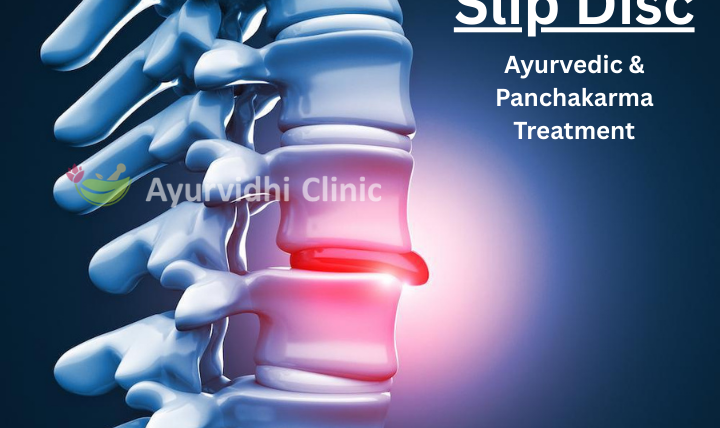
Ayurvidhi Clinic image showing a detailed spine with a highlighted slipped disc area, representing Ayurvedic and Panchakarma treatment for slip disc pain relief without surgery.

Slip Disc Relief Naturally: Ayurveda & Panchakarma Care

Slip Disc: Ayurvedic & Panchakarma Treatment for Natural and Long-Term Non- surgical Relief 

Slip Disc, also known as disc prolapse or herniated disc, is a common spinal problem that causes severe back pain and nerve compression. It is increasingly seen due to long sitting hours, poor posture, lack of exercise, stress, and aging.

Modern treatment often relies on painkillers, steroids, or surgery. These may give short-term relief but do not always correct the root cause. Ayurveda offers a natural, safe, and effective approach by balancing dosha, strengthening the spine, and reducing nerve inflammation.

Suffering from back pain or radiating leg pain? Consult our Ayurvedic specialist today. @https://ayurvidhiclinic.com/contact-us/


What is Slip Disc According to Ayurveda?

In Ayurveda, Slip Disc is associated with Vaata Vyadhi.
When Vaata Dosha becomes aggravated, it leads to dryness, degeneration, and weakness of spinal discs (Asthi & Majja Dhatu).

Common Ayurvedic causes include:

  • Long sitting or wrong posture

  • Excessive physical strain

  • Aging and degeneration

  • Lack of lubrication in joints

  • Weak digestion (Agni)

  • Stress and anxiety

Get your dosha assessment done to know the exact cause of your pain. @ayurvidhi_clinic


Common Symptoms of Slip Disc

  • Severe lower back or neck pain

  • Pain radiating to legs or arms (sciatica)

  • Numbness or tingling sensation

  • Muscle weakness

  • Difficulty walking or bending

  • Stiffness and restricted movement

Early treatment prevents nerve damage and surgery.

Do not ignore radiating pain—early Ayurvedic care can help.


Ayurvedic Treatment for Slip Disc

Ayurveda focuses on Vaata pacification, tissue nourishment, and muscles – nerve strengthening.

🔹 Herbal Medicines

Commonly used herbs:

  • Guggul Kalpa

  • Rasna, Ashwagandha, Bala medicine

Benefits:
✔ Reduces inflammation
✔ Nourishes discs
✔ Strengthens nerves
✔ Improves flexibility

 Get customized Ayurvedic medicines prepared under Vaidya supervision.


Role of Panchakarma in Slip Disc Treatment: 

Panchakarma plays a crucial role in managing disc problems.

Basti (Medicated Enema Therapy)

Best therapy for Vata disorders; strengthens spine and nerves.

Abhyanga (Oil Massage)

Ayurvidhi Clinic image showing Abhyanga Ayurvedic body massage with warm herbal oil poured on the body, promoting relaxation, detoxification, and holistic wellness.
The image shows a therapist gently pouring warm herbal oil onto the body of a person during an Abhyanga Ayurvedic massage session. The client is lying comfortably, symbolizing relaxation and healing. The soft lighting and natural tones reflect calmness and rejuvenation. The text “Abhyanga – Ayurvedic Body Massage” with the Ayurvidhi Clinic logo highlights the therapeutic benefits of traditional oil massage for detoxification, stress relief, and holistic wellness.

Relieves muscle stiffness and improves circulation.

Swedana (Herbal Steam Therapy)

Ayurvidhi Clinic image showing Swedana Ayurvedic steam therapy, with herbal steam applied to the back for detoxification, pain relief, and dosha balance.
Swedana Ayurvedic Steam Therapy helps eliminate toxins, relieve stiffness, and improve circulation. At Ayurvidhi Clinic, this traditional therapy is used to support joint health, muscle relaxation, detoxification, and enhanced results of Panchakarma treatments.

Reduces pain and improves mobility.

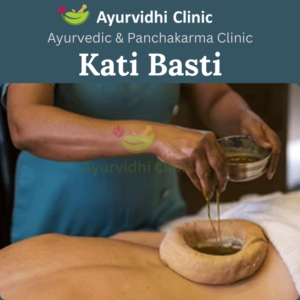
Kati Basti 

Ayurvidhi Clinic image showing Kati Basti Ayurvedic therapy, where warm medicated oil is retained on the lower back to relieve pain and strengthen the spine.
Kati Basti is a specialized Ayurvedic therapy for chronic lower back pain, slip disc, and spinal stiffness. At Ayurvidhi Clinic, warm medicated oils are retained over the lower back to nourish tissues, reduce inflammation, and provide long-lasting pain relief naturally.

Localized oil pooling therapy for lumbar and cervical disc problems.

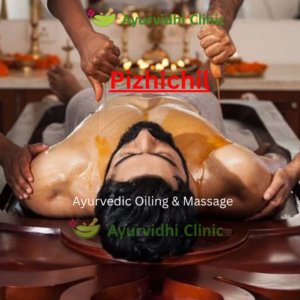
Pizhichil

Ayurvidhi Clinic image showing Pizhichil Ayurvedic therapy with warm medicated oil poured over the body, promoting detoxification, pain relief, and nervous system rejuvenation
Pizhichil is a classical Ayurvedic therapy combining warm herbal oil pouring and synchronized massage to nourish muscles, calm the nervous system, and relieve chronic pain. At Ayurvidhi Clinic, Pizhichil therapy supports joint health, stress reduction, and overall rejuvenation.

Lubricates joints and supports spinal regeneration.

 Ask about our Slip Disc Panchakarma Rehabilitation Program. @https://ayurvidhiclinic.com/panchakarma/


🥗 Diet & Lifestyle for Slip Disc Recovery

Recommended:

  • Warm, nourishing food

  • Ghee, milk (if suitable)

  • Green vegetables

  • Turmeric and ginger

  • Gentle yoga and physiotherapy

Avoid:

  • Cold and dry foods

  • Excessive travel

  • Heavy lifting

  • Long sitting without breaks

Get a personalized Ayurvedic diet and lifestyle plan for spine health. @https://ayurvidhiclinic.com/services/


Why Choose Ayurveda for Slip Disc?

✔ Natural & safe
✔ Avoids surgery in many cases
✔ Strengthens spine naturally
✔ Long-term relief
✔ Improves quality of life
✔ Suitable for chronic conditions

Ayurveda treats the root cause—not just pain. For best ayurvedic & panchakarma treatment for Slip Disc contact @https://ayurvidhiclinic.com/contact-us/


🏥 Our Clinic’s Special Approach to Slip Disc Care

At our Ayurvidhi  Ayurvedic clinic, we offer:

  • Detailed spinal assessment

  • Personalized Panchakarma therapies

  • Authentic Ayurvedic medicines

  • Rehabilitation and prevention guidance

  • Post-treatment care and follow-up

We are the best ayurvedic clinic in Lohegaon- Dhanori for slip Disc treatment

 Book your Ayurvedic consultation today and take the first step toward pain-free movement.@https://ayurvidhiclinic.com/contact-us/


Regain Mobility, Reduce Pain Naturally

Slip Disc does not always need surgery. With timely Ayurvedic treatment and Panchakarma, many patients experience lasting relief and improved mobility.

📞 Call now to schedule your appointment @https://ayurvidhiclinic.com/contact-us/
📍 Visit our clinic for holistic spine care @https://www.google.com/maps/place/Ayurvidhi+Clinic/data=!4m2!3m1!1s0x0:0xc5de21061f105a92?sa=X&ved=1t:2428&ictx=111


Read More
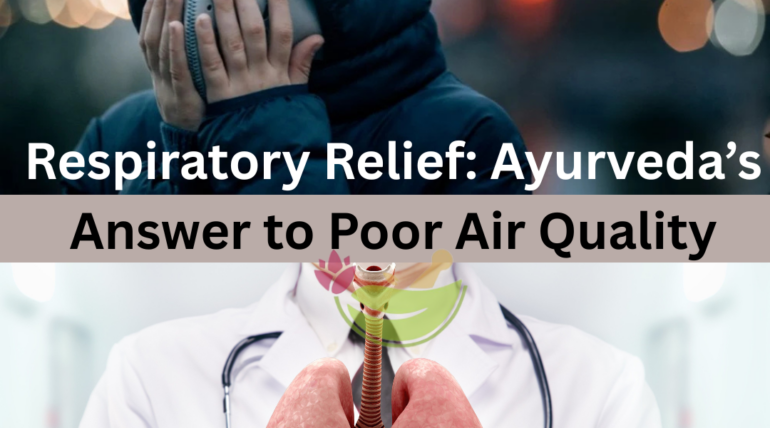
Ayurvidhi Clinic promotional image showing a person wearing a mask in polluted air and a doctor holding a 3D illustration of human lungs, highlighting Ayurvedic respiratory relief for poor air quality

Respiratory Relief: Ayurveda’s Answer to Poor Air Quality

In today’s environment, the air we breathe is filled with dust, smoke, chemicals, allergens, and microbes. This toxic overload weakens our lungs and triggers repeated issues like cough, cold, allergies, sinusitis, breathlessness, and low immunity. Children, working professionals, elderly individuals—almost everyone is affected by poor air quality.

Ayurveda, with its time-tested wisdom, offers a natural, holistic, and highly effective approach to protect, purify, and strengthen the respiratory system. Using herbs, diet, lifestyle changes, and Panchakarma therapies, Ayurveda heals your lungs from within—without side effects or dependency on long-term medications.

If you are struggling with respiratory discomfort or pollution-related symptoms, this blog will guide you through Ayurvedic solutions that offer real, lasting relief.

Air pollution, seasonal changes, viral infections, dust, and weakened immunity have made respiratory issues extremely common. Today, people of all ages suffer from:

  • Recurrent cough & cold

  • Sinusitis

  • Allergic rhinitis

  • Breathing difficulty

  • Asthma-like symptoms

  • Sore throat, congestion

  • Low lung capacity

In Ayurveda, the respiratory system is known as Pranavaha Srotas, and its health depends on strong immunity (Ojas), balanced Vaata–Kapha, and clear respiratory channels.

Modern pollution weakens these systems — but Ayurveda offers deep, effective, natural healing.


How Ayurveda Helps in Respiratory Diseases

Ayurveda works on three levels:

1️⃣ Reduces inflammation & congestion

Herbs like Tulsi, Vasa, Kantakari, Pippali help open respiratory channels.

2️⃣ Strengthens lungs from within

Rasayana herbs like Chyavanprash,  Vasa Awaleha, medicated Ksheera Paaka rejuvenate lung tissues.

3️⃣ Improves overall immunity & reduces recurrences

Ayurveda focuses on root-cause healing, not temporary symptomatic relief.

Want to know the best Ayurvedic treatment for your respiratory issue? Contact Ayurvidhi Clinic today for a consultation.


Common Respiratory Problems Ayurveda Treats

  • Allergic rhinitis

  • Sinusitis

  • Bronchitis

  • Asthma

  • Recurrent throat infections

  • Dust allergy

  • Pollution-induced lung weakness

  • Post-viral respiratory weakness


Effective Panchakarma Treatments for Respiratory Health

🔹 Vamana (Therapeutic Emesis)

Best for chronic Kapha disorders, asthma, congestion, allergies.

🔹 Nasya (Nasal Detox Therapy)

Opens nasal passages, improves breathing, reduces sinus inflammation.

🔹 Dhoomapana (Medicated Herbal Smoke)

Purifies air passages and reduces chronic cough.

🔹 Abhyanga + Swedana

Warm oil massage + steam therapy to remove toxins and open channels.

🔹 Basti (Herbal Enema Therapy)

Balances Vaata, strengthens the respiratory and immune system.

🔹 Rasayana Therapy

Promotes lung rejuvenation and long-term respiratory strength.

 Book your personalized Panchakarma plan at Ayurvidhi Clinic today.


🌱 Herbal Medicines for Respiratory Strength

Ayurveda uses herbs such as:

  • Sitopaladi Churna

  • Talisadi Churna

  • Chyavanprash Rasayana

  • Vasa Awaleha

  • Yashtimadhu

These herbs reduce congestion, improve lung capacity, and boost immunity naturally. But we suggest you to consume medicine with a ayurvedic doctors advised.


🏥 Ayurvidhi Clinic’s Special Approach for Respiratory Health

At Ayurvidhi Clinic, we follow a root-cause focused, personalized treatment that includes:

1. Seasonal Lung Detox Programs

Customized Panchakarma to clear toxins collected due to pollution.

2. Vaidya-Prepared Herbal Medicines

Fresh, authentic preparations without preservatives.

3. Pollution Recovery Protocol

Diet + herbs + steam + Nasya plan for those living in polluted areas.

4. Child-Friendly Respiratory Strengthening Program

Safe formulations for kids with recurrent cold & bronchitis.

5. Chyavanprash Rasayana Therapy

Hand-made, classical preparation that strengthens immunity & lungs.

6. Special Ayurvidhi “Prana-Strength Therapy

A unique combination of Nasya, herbal steam inhalation, Swedana, and pranayama guidance.

 Visit Ayurvidhi Clinic to start your respiratory healing journey now. Limited Panchakarma slots available.


Ayurvedic Lifestyle Tips for Strong Lungs

  • Drink warm water infused with ginger or tulsi

  • Avoid cold foods, ice-creams, and refrigerated items

  • Do steam inhalation with Tulsi, Neem or plain water steam.

  • Add turmeric, ginger, & black pepper to meals

  • Practice pranayama daily for 10 to 20 minutes.

  • Keep indoor plants for cleaner oxygen.

  • Avoid morning cold exposure.

 Need a personalized diet for your respiratory condition? Book your consultation today @ayurvidhi_clinic


Why Choose Ayurvedic Treatment for Respiratory Problems?

✔ 100% natural
✔ Zero side effects
✔ Holistic healing
✔ Strengthens immunity
✔ Long-term relief
✔ Suitable for all ages

Most importantly, Ayurveda heals the root cause — not just symptoms.


Ready to Strengthen Your Lungs Naturally?

Ayurvidhi Clinic offers:

  • Expert Vaidya consultation

  • Personalized Ayurvedic medicines

  • Panchakarma therapies for respiratory detox

  • Preventive care for pollution exposure

📞 Call us now to book an appointment at 9511953471
📍 Visit Ayurvidhi Clinic today!
💬 Message us for treatment packages & offers @https://wa.me/message/MBTFCXKULPB2K1

Read More
Ayurvedic approach to modern men's health

Modern Men, Ancient Solutions: Ayurveda’s Safe & Powerful Approach to Men’s Health

In today’s fast-moving world, men silently carry heavy physical, mental, and emotional burdens. Work pressure, financial responsibilities, poor diet, irregular sleep, and lifestyle habits often lead to serious health issues—but due to social taboos, many men avoid discussing their problems or seeking help.

Ayurveda provides a safe, natural, and holistic approach to improve men’s health—physically, mentally, and sexually—without any harmful side effects.


Common Health Issues Men Face Today

1. Hair Fall & Early Balding

Stress, poor diet, hormonal imbalance, improper sleep, and pollution weaken hair roots.
Ayurveda views hair as a byproduct of Asthi & Rakta Dhatu, and treats hair fall from the root using natural methods.


2. Sperm Health Issues (Male Infertility)

Today, many men struggle with:

  • Low sperm count

  • Poor motility

  • Abnormal sperm shape

  • Low semen volume

  • Varicocele effects

These problems are often linked to stress, heat exposure, smoking, alcohol, and hormonal imbalance.


3. Erectile Dysfunction (ED)

A rapidly rising condition caused by:

  • Stress

  • Anxiety

  • Weak nerves

  • Hormonal imbalance

  • Lifestyle disorders

  • Diabetes or hypertension

Men often feel ashamed to talk about this, but ED is completely treatable in Ayurveda.


4. Stress-Induced Health Problems

Stress affects:

  • Digestion

  • Sleep

  • Hormones

  • Sexual health

  • Immunity

  • Energy levels

Chronic stress weakens Vaata, leading to multiple disorders.


5. Other Common Men’s Issues

  • Premature ejaculation

  • Weight gain or obesity

  • Low energy & fatigue

  • Joint pain

  • Acidity & gastric problems

  • Back & neck pain due to long sitting


 Why Men Don’t Talk About Their Health Issues? (Social Taboo)

Many men avoid discussing health problems because of:

  • Shame

  • Fear of judgment

  • Social pressure to “stay strong”

  • Lack of awareness

  • Misconceptions about masculinity

This silence often delays treatment and worsens the condition. Ayurveda encourages open discussion, natural healing, and emotional balance.


 How Ayurveda Helps Men Recover Naturally

Ayurveda treats the root cause of every disorder instead of just suppressing symptoms.

1. Balancing Dosha

Most men’s health issues arise from Vaata-Pitta imbalance. Ayurveda corrects these through herbs, diet, and therapies.

2. Improving Digestion & Hormones

Healthy Agni (digestive fire) supports healthy hormones, sperm, hair, and immunity.

3. Panchakarma Detoxification

Ayurveda uses gentle cleansing therapies to purify the body:

Basti

Best for nervous strength, sperm health & ED.
Balances Vaata and rejuvenates reproduction.

Virechana

Cleanses Pitta, improves hormonal balance and skin/hair health.

Nasya

Reduces stress, improves sleep, balances mind.

Abhyanga + Shirodhara

Relieves anxiety, improves mental clarity, reduces hair fall.


Herbal Rasayana Therapy for Men

Ayurvedic herbs help enhance vitality, stamina, and reproductive health:

  • Ashwagandha

  • Shilajit

  • Gokshura

  • Kapikacchu

  • Bala

  • Safed Musli

  • Yashtimadhu

  • Amla

  • Brahmi

These herbs are natural, safe, and strengthen the entire male system without side effects.

 Diet & Lifestyle for Men’s Wellness

  • Warm homemade food

  • Milk, ghee, nuts & seeds

  • Avoid junk food, smoking & alcohol

  • Reduce screen time

  • Avoid tight clothing & heat exposure

  • Practice yoga, meditation & breathing exercises

  • Sleep early and follow a routine


Ayurvidhi Clinic’s Unique Approach to Men’s Health

At Ayurvidhi Clinic, men’s health is treated with personalized, confidential, and scientific Ayurvedic care.

🔹 Why We Are Different

  • Detailed Ayurvedic assessment of root cause

  • Customized Panchakarma plans for each individual

  • Specialized treatments for sperm health, ED & stress

  • Confidential one-on-one consultation

  • Pure herbal medicines—no steroids, no chemicals

  • Gentle, safe, and long-lasting results

🔹 Our Special Men’s Health Program Includes:

  • Panchakarma detox before treatment

  • Reproductive Rasayana therapy

  • Hormonal & stress balancing treatments

  • Hair and scalp health therapy

  • Mind-calming treatments (Shirodhara)

  • Diet & lifestyle planning

  • Regular monitoring & progress tracking

🔹 Conditions We Specialize In:

  • Hair fall & early greying

  • Low sperm count & motility

  • Erectile dysfunction

  • Premature ejaculation

  • Varicocele management

  • Stress, anxiety & sleep issues

  • Low immunity & fatigue

  • Weight gain / lifestyle disorders

Ayurvidhi Clinic focuses on improving men’s health from the root—body, mind, and hormones—naturally and safely.


Conclusion

Men’s health is often ignored, but it is extremely important for overall well-being, family life, confidence, and longevity. Ayurveda provides a complete, safe, and effective path for men to regain physical strength, mental peace, sexual health, and vitality—without side effects.

Timely Ayurvedic treatment not only cures the issues but prevents long-term complications, helping men live a healthier and confident life.

Read More
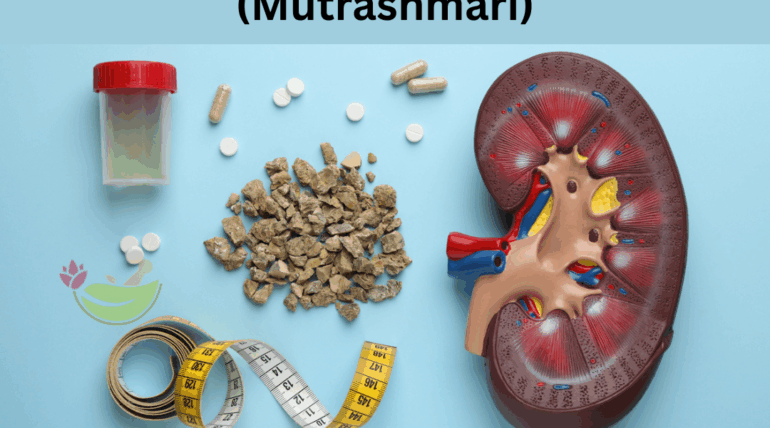
Ayurvedic & Panchakarma for kidney stone treatment at Ayurvidhi Clinic in Pune

Ayurvedic & Panchakarma Treatment for Kidney Stones (Mutrashmari)

Kidney stones are one of the most common and painful urinary disorders seen today. Known as Mutrashmari in Ayurveda, this condition occurs when mineral deposits accumulate and form hard stone-like masses in the kidneys or urinary tract.
Poor diet, dehydration, stressful lifestyle, and improper metabolism have made kidney stones increasingly common even in younger individuals.

Ayurveda provides a holistic, natural, and effective approach to dissolve stones, relieve pain, prevent recurrence, and improve overall urinary health.


Understanding Kidney Stones in Ayurveda (Mutrashmari)

Ayurvedic texts describe Mutrashmari as a Tridoshaja Vyadhi, mainly dominated by Vaata and Kapha dosha imbalance. When Kapha increases, it causes thickening and accumulation of minerals, while aggravated Vaata leads to obstruction and pain.

There are different types of kidney stones in Ayurveda based on dosha dominance, but the general treatment focuses on:

  • Removing obstruction

  • Regulating urine flow

  • Breaking down the stone

  • Preventing recurrence through detox and diet


Causes of Kidney Stones

1. Lifestyle & Dietary Causes
  • Drinking insufficient water

  • Excess intake of salty, sour, spicy, and oily foods

  • High consumption of tea, coffee, alcohol, and aerated drinks

  • Eating food containing high oxalates (spinach, nuts, chocolate)

  • Skipping meals or eating incompatible foods

2. Metabolic Causes
  • High calcium or uric acid levels

  • Poor digestion (weak Agni)

  • Excessive sweating

3. Other Causes
  • Holding urine for long periods

  • Sedentary lifestyle

  • Genetic predisposition

Ayurveda emphasizes that weak digestion and impaired metabolic fire play a major role in stone formation.


🔍 Symptoms of Kidney Stones (Mutrashmari)

  • Sharp, severe pain in the lower back, abdomen, or sides

  • Radiating pain toward the groin

  • Burning sensation or pain during urination

  • Blood in urine (Hematuria)

  • Frequent urge to urinate

  • Nausea, vomiting

  • Reduced urine output

  • Cloudy or foul-smelling urine

Pain can be intermittent or constant depending on the size and movement of the stone.


🌿 Ayurvedic Treatment of Kidney Stones

Ayurvedic treatment focuses on breaking the stone (Ashmaribhedana), flushing it out naturally, reducing pain, and preventing recurrence by balancing doshas.

1. Herbal Medicines (Aushadhi Chikitsa)

Some commonly used Ayurvedic herbs and formulations:

  • Helps break stones and clears urinary obstruction

  • Known as the stone-breaking herb

  •  Diuretic, anti-inflammatory, improves urine flow

  •  Reduces swelling and detoxifies kidneys

  •  Dissolves calcium oxalate stones

  • Strengthens kidneys and urinary tract

The herbal Treatment work synergistically to dissolve stones and improve kidney function.


🧴 2. Panchakarma Treatment for Kidney Stones

Panchakarma is extremely effective for detoxifying the urinary system and preventing recurrence.

💧 1. Virechana (Therapeutic Purgation)
  • Eliminates excess Pitta and toxins from the body

  • Reduces inflammation and burning sensation

🫙 2. Basti (Medicated Enema Therapy)
  • Best for Vaata imbalance, which causes obstruction and severe pain

  • Specific bastis like Dashmool Basti relieve spasm and facilitate stone movement

💆 3. Snehana & Swedana (Oil Massage & Steam)
  • Relaxes lower abdominal muscles

  • Reduces pain and supports easy passage of stones

🌿 4. Uttarbasti (Specialized Therapy – done cautiously under expert supervision)
  • Helps in chronic urinary tract obstructions

  • Effective in recurring kidney stones

🌾 5. Hydration Therapy with Ayurvedic Decoctions
  • Special herbal decoctions are used to flush out stones naturally

These therapies reduce pain, detoxify kidneys, and improve urinary flow without surgical intervention (for small to medium stones).


🍃 Diet & Lifestyle for Kidney Stone Prevention

✔️ What to Include
  • 8–10 glasses of water daily

  • Coconut water

  • Barley water

  • Horse gram soup

  • Light, easily digestible meals

  • Fresh fruits like pomegranate, banana, and watermelon

❌ Avoid
  • Tomatoes (seeds), brinjal, spinach, beetroot

  • Caffeine and energy drinks

  • Excess salt and sour foods

  • Red meat and oily foods

  • Alcohol

🧘 Lifestyle
  • Don’t hold urine

  • Regular walking and gentle yoga

  • Maintain healthy digestion


🌼 Benefits of Ayurvedic & Panchakarma Treatment

  • Natural stone dissolution

  • Pain relief without sedation

  • Detoxification of kidneys and urinary tract

  • Strengthens renal function

  • Prevents recurrence

  • No side effects

  • Improves digestion and metabolism


Conclusion

Kidney stones can be extremely painful, but Ayurveda offers a safe, holistic, and effective solution that targets the root cause rather than only treating symptoms.
At Ayurvidhi Clinic through our expert and widely tested combinations of stone-dissolving herbs, Panchakarma therapies, dietary changes, and lifestyle modifications, kidney stones we managed naturally and future recurrences prevented.

“If you’re dealing with kidney stones, don’t wait for complications. Ayurvidhi Clinic offers scientifically-backed Ayurvedic treatment that dissolves stones naturally and prevents recurrence.
📞 Call now to book your appointment @9511953471.”

@https://share.google/GQkGaD2JRXiYhI3p0

or WhatsApp https://wa.me/message/MBTFCXKULPB2K1

“Healthy kidneys, healthy life — choose Ayurveda for natural healing.”

Read More

Winter Wellness Tips — Strengthen Immunity through Ayurveda

As the chilly breeze of winter sets in, our body’s digestive fire (Agni) becomes stronger — yet immunity can become weaker if we neglect balance. According to Ayurveda, Hemanta Ritu (winter season) is a time when nature encourages nourishment and rejuvenation, but only if we follow the right seasonal regimen (Ritucharya).

Winter is a perfect season to strengthen immunity, boost vitality, and nurture overall well-being through Ayurvedic practices that align with the body’s natural rhythm.


🌿 Ayurvedic View of Winter Season (Hemanta Rhutu)

In winter, the Vaata dosha increases due to cold, dryness, and wind, while Kapha dosha starts accumulating because of the cold weather and reduced physical activity.
Ayurveda recommends keeping the body warm, well-nourished, and hydrated, and maintaining a strong Agni (digestive power) to support immunity and energy.


🌞 Ayurvedic Winter Wellness Tips

🥛 1. Nourish with Warm, Strengthening Foods
  • Include ghee, milk, nuts, sesame, dates, and whole grains in your diet.

  • Enjoy soups, stews, khichdi, and herbal teas with ginger, cinnamon, and cardamom.

  • Use natural immunity boosters like Chyavanprash — a powerful Rasayana that enhances Ojas (vital energy). At Ayurvidhi Clinic we prepared Chyavanprash with good quality of Aamla under supervision of Ayurvedic Vaidya. For order and booking Chyavanprash kindly contact us https://wa.me/message/MBTFCXKULPB2K1

  • Avoid cold, refrigerated, or raw foods that disturb Agni and Vaata.


🌿 2. Strengthen Immunity with Ayurvedic Herbs

Ayurveda offers several time-tested herbs to keep your immunity strong during winter: Guduchi, Ashvangandha, Shunthi etc.

Regular use of these herbs under Ayurvedic guidance helps the body fight infections and maintain energy throughout the cold season.


3. Practice Abhyanga (Daily Oil Massage)

Abhyanga — the traditional Ayurvedic self-massage — is highly beneficial in winter.

  • Use warm sesame or our Special Winter Care oil for daily massage before bath.

  • It strengthens muscles, lubricates joints, improves circulation, and reduces Vaata.

  • Also prevents dryness and keeps the skin healthy and glowing.


🔥 4. Keep Agni (Digestive Fire) Strong

A strong digestive system is the foundation of good immunity.

  • Eat at regular times and only when hungry.

  • Sip warm water or herbal tea throughout the day.

  • Add digestive spices like jeera (cumin), ajwain (carom), hing (asafoetida), and black pepper to meals.

  • Avoid overeating or heavy late-night dinners.


🧘 5. Winter Yoga & Lifestyle Tips
  • Practice gentle yoga postures like Surya Namaskar, Trikonasana, and Bhujangasana to keep the body active and warm.

  • Do regular Pranayama (deep breathing) to enhance oxygen flow and mental calmness.

  • Dress warmly and protect the chest and neck area from cold winds.

  • Ensure adequate rest and a regular sleep schedule.


💧 6. Panchakarma Therapies for Winter Immunity

Winter is the ideal season for rejuvenation therapies as the body’s tissues are more receptive.

  • Abhyanga & Swedana (Oil massage & steam therapy) – Relieves stiffness, improves circulation, and strengthens immunity.

  • Basti (Medicated enema) – Balances Vaata and nourishes tissues.

  • Nasya (Nasal oil therapy) – Protects respiratory passages and prevents colds.

  • Rasayana Chikitsa – Enhances overall vitality, energy, and longevity.

Regular Panchakarma under expert supervision helps detoxify and rejuvenate the body, preventing seasonal ailments.


🌼 Benefits of Following Ayurvedic Winter Regimen

✅ Strengthens natural immunity and resistance to infections
✅ Keeps body warm and energetic
✅ Enhances digestion and metabolism
✅ Nourishes body tissues and joints
✅ Promotes better sleep and mental clarity
✅ Improves skin glow and vitality


Ayurvedic Winter Care Product Range available  at Ayurvidhi Clinic:

  • Honey Glycerin Soap
  • Special Winter Care oil for abhyanga
  • Shatadhauta Ghruta
  • Chyavanprash – Immunity Tonic

For product enquiry and order kindly contact us @ayurvidhi_clinic or WhatsApp at https://wa.me/message/MBTFCXKULPB2K1

Conclusion

Winter is a season of strength, nourishment, and rejuvenation when Ayurvedic practices can help you thrive instead of just survive. By adopting a balanced diet, warm lifestyle, and rejuvenating herbs and therapies, you can stay healthy, energetic, and immune to seasonal ailments.

This winter, let Ayurveda be your shield — nurture your body, balance your doshas, and glow with natural vitality.

Read More