

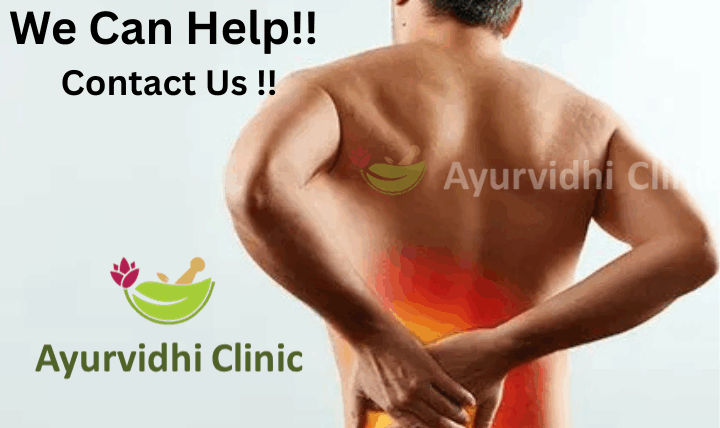
Freedom from Pain: Ayurvedic and Panchakarma Therapy for Sciatica (Gridhrasi)
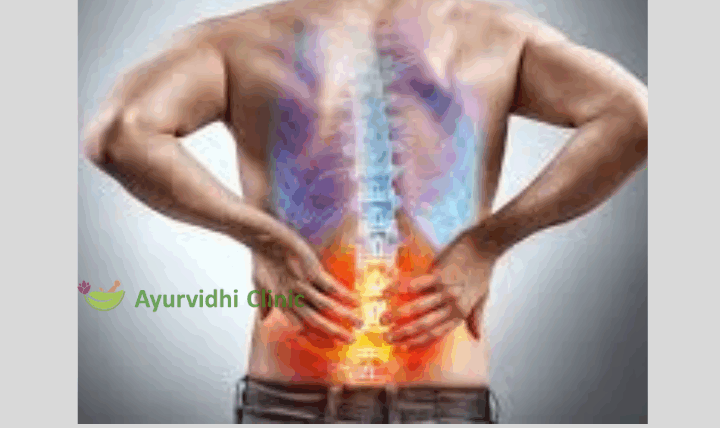
Sciatica, known as Gridhrasi in Ayurveda, is one of the most common and distressing conditions affecting the lower back and legs. It is characterized by pain radiating from the lower back down through the hips and along the path of the sciatic nerve, often accompanied by tingling, numbness, or weakness in the affected leg.
In today’s modern lifestyle — with long sitting hours, lack of physical activity, and improper posture — Sciatica has become increasingly prevalent. Ayurveda offers a safe, holistic, and long-lasting approach to manage this painful disorder without side effects.
📖 Understanding Sciatica in Ayurveda
In Ayurvedic texts, Sciatica is described as “Gridhrasi”, derived from the word Gridhra (vulture), symbolizing the patient’s gait — resembling a vulture due to the difficulty in walking and bending caused by pain.
According to Ayurveda, vitiation of Vata dosha, and in some cases Kapha dosha, is the primary cause. When aggravated, Vata obstructs the pathways of the lower body nerves, muscles, and joints, leading to pain, stiffness, and tingling sensations.
⚡ Causes of Sciatica (Gridhrasi)
-
Vaata aggravating factors:
-
Irregular meals, fasting, excessive walking, or sitting
-
Cold exposure or staying in air-conditioned environments
-
Inadequate sleep and excessive physical strain
-
Emotional stress or anxiety
-
Injury or trauma to the spine
-
-
Structural causes:
-
Lumbar disc herniation or degeneration
-
Spinal canal narrowing (spinal stenosis)
-
Muscle spasms, especially of the piriformis muscle
-
Poor posture or prolonged sitting
-
-
Lifestyle causes:
-
Lack of exercise or physical movement
-
Obesity and weak core muscles
-
Improper lifting of heavy objects
-
⚠️ Symptoms of Sciatica (Gridhrasi)
-
Sharp, shooting pain radiating from the lower back to the legs
-
Numbness, tingling, or burning sensation in the affected limb
-
Weakness in one leg or foot
-
Difficulty in standing, walking, or bending forward
-
Stiffness and pain aggravated by sitting for long periods
Ayurveda describes two types of Gridhrasi:
-
Vataja Gridhrasi
-
Vata-Kaphaja Gridhrasi
🌿 Ayurvedic Line of Treatment for Sciatica
The Ayurvedic treatment aims to:
-
Balance Vaata and Kapha doshas
-
Relieve pain and stiffness
-
Nourish nerves and muscles
-
Strengthen the spine and prevent recurrence
1. Internal Herbal Medicines (Aushadhi Chikitsa)
Ayu
rvedic formulations used under expert supervision include:
-
Dashmool- Anti-inflammatory and Vata balancing
-
Rasna – Relieves pain and stiffness
-
Guggul – Detoxifying and anti-arthritic, Strengthens nerves and relieves inflammation
-
Eranda (Castor oil) – Improves strength and reduces pain
2. Panchakarma Treatment for Sciatica
Panchakarma plays a crucial role in the management of Sciatica by detoxifying the body, balancing doshas, and rejuvenating the spine and nerves.
🪔 1. Snehan (Medicated Oil Massage)
-
Full body massage using Sesame Taila,
-
Reduces dryness, improves circulation, and soothes irritated nerves
🌿 2. Swedana (Steam Therapy)
-
Steam fomentation after massage helps reduce stiffness and muscle spasm
💧 3. Kati Basti (Localized Oil Retention)
-
Warm medicated oil is retained over the lower back for 20–30 minutes
-
Relieves nerve compression, strengthens spinal muscles, and provides deep pain relief
💦 4. Basti (Medicated Enema Therapy)
-
Considered the most effective therapy for Vata disorders like Sciatica
-
Uses Anuvasana Basti (oil-based) and Niruha Basti (decoction-based) in combination
-
Detoxifies colon, balances Vata, and reduces nerve irritation
🌾 5. Pizhichil & Patra Pinda Sweda
-
Warm medicated oil poured over the body followed by herbal bolus massage
-
Improves mobility, relieves stiffness, and rejuvenates nerves
6. Raktamokshana – blood letting
- Removes impure blood
- Relives Pain instant
7. Agni & Viddha Karma
- Relives instant pain with relief in muscular tension and spasm
🍃 Dietary & Lifestyle Advice
Diet (Aahaara)
-
Favor: Warm, freshly cooked, light meals
-
Include: Ghee, milk, soups, green vegetables, nuts, sesame, and flax seeds
-
Avoid: Cold, dry, and processed foods, caffeine, carbonated drinks, and excessive spicy food
Lifestyle (Vihaara)
-
Practice gentle yoga postures like Bhujangasana, Shalabhasana, Tadasana, and Pawanmuktasana
-
Avoid prolonged sitting or standing
-
Maintain proper posture
-
Keep the lower back warm and supported
-
Regular oil massage with warm sesame
🌼 Benefits of Ayurvedic & Panchakarma Treatment
✅ Natural and long-lasting relief from pain and stiffness
✅ Balances Vaata dosha – the root cause of Sciatica
✅ Detoxifies and rejuvenates the body
✅ Strengthens spine, muscles, and nerves
✅ Prevents recurrence of symptoms
✅ No side effects – completely natural and safe
Conclusion
Sciatica can severely affect day-to-day life if not managed properly. Ayurveda offers a comprehensive, root-cause-based treatment through herbal medicines, Panchakarma therapies, diet, and lifestyle corrections.
With regular Ayurvedic care and expert-guided Panchakarma, sciatica pain can be effectively relieved, nerve health restored, and overall vitality improved — naturally and safely.
🌿 “Balance Vaata, strengthen your spine, and walk pain-free — the Ayurvedic way.” 🌿
Recent Comments