Endometriosis Beyond the Surface: The Ayurvedic Approach to Healing from Within
Healing from Within: Understanding Endometriosis Through Ayurveda and Panchakarma
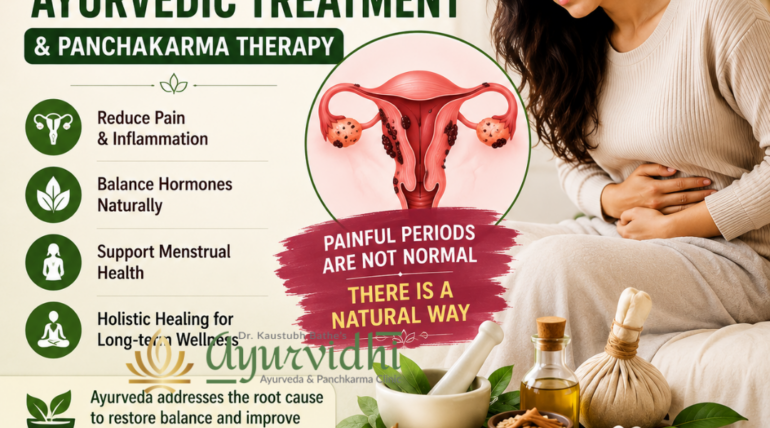
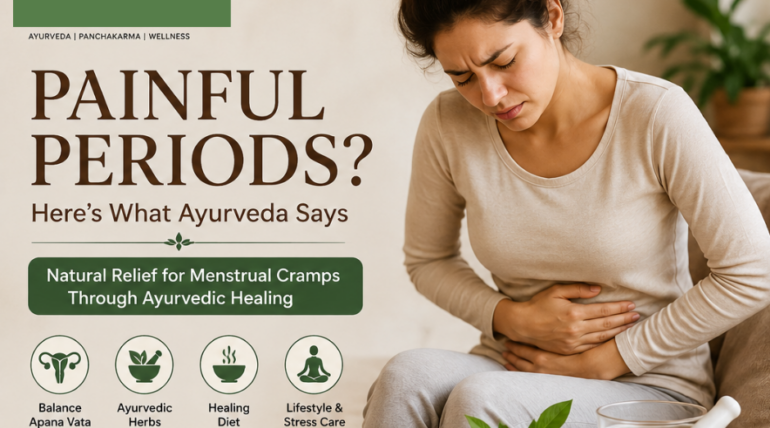
If you are dealing with chronic pelvic pain, severe menstrual cramps, or deep fatigue, you know that endometriosis is much more than “just a bad period.” In the conventional medical world, it is often treated as a localized hormonal issue, frequently managed with birth control pills, hormone suppressors, or surgery.
While these options can offer temporary relief, they rarely address why the body is creating this tissue mismatch in the first place.
Ayurveda views endometriosis through a completely different lens. It sees the condition not as a localized disease, but as a systemic imbalance of the bodily energies (Doshas), tissues (Dhatus), and natural metabolic channels. By treating the root cause, Ayurveda provides a roadmap to lasting relief and reproductive balance.
The Ayurvedic Perspective: What is Endometriosis?
In Ayurveda, endometriosis is primarily classified as a Yonivyapad (uterine/vaginal disorder). It involves a complex interplay of all three doshas, though it begins with a disruption in Vata:
-
Vata (Specifically Apana Vayu): This sub-dosha controls the downward flow of elimination, including menstruation. When Apana Vayu is vitiated (disturbed), it causes retrograde menstruation—forcing menstrual blood and tissue upward and outward into the pelvic cavity instead of out of the body.
-
Pitta: The displacement of tissue triggers an inflammatory response. Pitta governs heat and inflammation, leading to burning pain, heavy bleeding, and tenderness.
-
Kapha: Once the endometrial tissue settles in places it shouldn’t be (like the ovaries, fallopian tubes, or bowels), Kapha takes over. Kapha is responsible for growth, stagnation, and the formation of cysts, adhesions, or scar tissue.
Therefore, holistic management requires calming Vata’s erratic movement, clearing Pitta’s heat, and breaking down Kapha’s stagnations.
The Core of Treatment: Panchakarma Cleansing
When tissue has already formed outside the uterus, standard herbal supplements aren’t always enough. The body needs a deep reset. This is where Panchakarma—Ayurveda’s five-fold cellular detoxification process—becomes essential.
Because endometriosis involves misplaced tissue and deep-seated toxins (Ama), a specialized, under-the-guidance Panchakarma protocol works to purge these impurities.
Essential Ayurvedic Herbs for Daily Support
Outside of the detox clinic, daily herbal formulations help maintain the balance achieved during Panchakarma.
| Herb | Primary Action | Why it Helps Endometriosis |
| Shatavari (Asparagus racemosus) | Phytoestrogenic & Nourishing | Regulates the menstrual cycle, supports fertility, and cools Pitta-driven inflammation. |
| Ashoka (Saraca asoca) | Uterine Tonic | Literally meaning “without sorrow,” it reduces heavy bleeding, tones uterine muscles, and eases cramping. |
| Guggulu | Anti-inflammatory & Scavenging | A classic formulation used to break down growths, fibroids, cysts, and displaced endometrial tissue. |
| Turmeric & Aloe Vera | Detoxifying & Soothing | Turmeric acts as a natural cox-2 inhibitor (reducing pain pathways), while Aloe Vera juice (Kumari) regulates flow and cleanses the liver. |
Simple Anti-Vata Dietary Shifts
To stop Vata from aggravating your pelvis, your daily diet should shift away from cold, dry, and raw foods.
-
Favor: Warm, cooked, easily digestible meals. Think kitchari, stews, soups, and warm spiced milks. Use healthy fats like Ghee, which lubricates the internal channels and calms Vata.
-
Avoid: Ice water, raw salads, refined sugar, and caffeine—all of which constrict the blood vessels and aggravate the nervous system (Majja Dhatu), intensifying pain during your cycle.
A Gentle Reminder
Ayurveda does not promise an overnight miracle. It is a slow, deeply respectful rebuilding of your body’s ecosystem. By regulating the movement of Vata, clearing systemic inflammation, and supporting your liver’s natural ability to process excess estrogen, you can shift your body from a state of painful defense to long-term harmony.
Note: Because endometriosis is a complex condition, Panchakarma and internal herb regimens should always be customized by a certified Ayurvedic Doctor (BAMS) to match your unique Prakriti (constitution).

Recent Comments