
Ayurvedic Fertility Treatment: Can Ayurveda Support Egg Health?
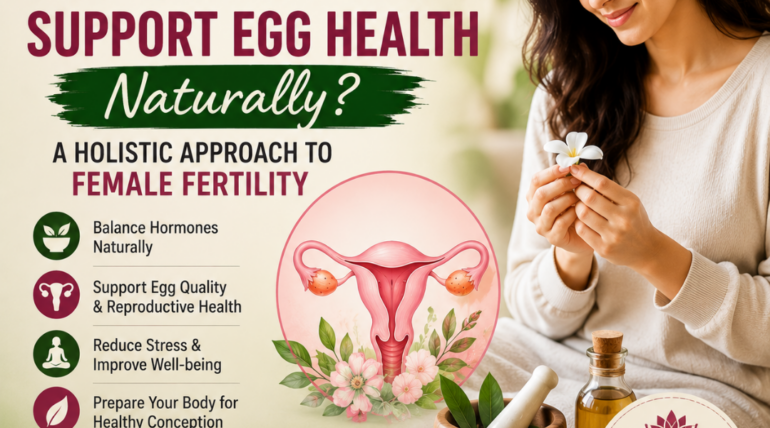
Can Ayurveda Support Egg Health Naturally? A Holistic Approach to Female Fertility
“My reports are normal, but why am I still not getting pregnant?”
“My AMH is low. Can I still conceive?”
“Is there anything I can do naturally to support my egg health?”
These are common and deeply personal questions faced by women planning pregnancy, especially after the age of 30–35 or after unsuccessful fertility treatment.
When fertility becomes a concern, attention often shifts immediately to AMH, follicular scans, ovulation and IVF reports. These investigations are important, but fertility is more than a number on a laboratory report.
From an Ayurvedic perspective, reproductive health is connected with the health of the entire body. Digestion, nutrition, Dosha balance, menstrual health, sleep, stress, metabolism and reproductive tissue nourishment all matter.
This is where an individualized Ayurvedic approach to female fertility can provide supportive care.
Ayurveda does not promise to reverse age-related changes or guarantee pregnancy. Instead, its focus is on improving overall health, correcting imbalances and preparing the body for conception in a personalized manner.
What Is Egg Health and Why Does It Matter?
A woman is born with a finite number of eggs. As age increases, both the number of available eggs and their developmental potential can change.
When people talk about “egg quality,” they generally mean the ability of an egg to successfully participate in fertilization and support normal embryo development.
Egg health may be influenced by several factors, including:
-
Age
-
Ovarian reserve
-
Hormonal health
-
Ovulation
-
Metabolic health
-
Nutritional status
-
Oxidative stress
-
Lifestyle
-
Sleep
-
Chronic stress
-
Certain reproductive conditions
It is important to distinguish egg quality from ovarian reserve.
Tests such as AMH are commonly used to provide information about ovarian reserve. However, AMH alone does not tell us whether an individual egg is healthy or whether pregnancy will occur.
Therefore, fertility assessment should always consider the complete clinical picture.
Can Ayurveda Improve Egg Quality Naturally?
This is one of the most common questions women ask.
The honest answer is that Ayurveda should not be promoted as a guaranteed method to increase egg quality or reverse age-related decline in ovarian function.
However, Ayurvedic treatment can take a broader approach to support reproductive wellness.
The focus may include:
-
Improving digestion and metabolism
-
Supporting adequate nutrition
-
Maintaining healthy menstrual function
-
Managing stress
-
Improving sleep
-
Correcting lifestyle-related imbalances
-
Supporting reproductive tissue nourishment
-
Preparing the body before conception
This approach is particularly useful when fertility concerns are accompanied by irregular periods, PCOS, digestive problems, stress, poor sleep, weakness or unhealthy lifestyle patterns.
The Ayurvedic Understanding of Female Fertility
Ayurveda does not describe fertility only in terms of the ovaries or reproductive organs.
It considers conception to depend on the proper functioning and nourishment of the entire body.
Important Ayurvedic concepts include Dosha, Agni, Dhatu, Srotas and Ojas.
Dosha
Vata, Pitta and Kapha regulate different physiological functions.
An imbalance in these Doshas may influence digestion, metabolism, menstruation and reproductive health.
Agni
Agni refers to digestive and metabolic strength.
Ayurveda considers proper digestion essential because the nourishment of deeper tissues depends on the proper processing and assimilation of food.
Dhatu
The body is described as having seven Dhatus, or tissue systems.
Artava Dhatu is associated with female reproductive function and is therefore an important consideration in Ayurvedic fertility care.
Srotas
Srotas are channels through which nutrients and physiological processes are carried throughout the body.
Healthy functioning of reproductive channels is important from an Ayurvedic perspective.
Ojas
Ojas represents vitality, resilience and overall strength.
For a woman preparing for conception, maintaining adequate strength and nourishment is an important part of Ayurvedic preconception care.
How Digestion Can Influence Fertility According to Ayurveda
A woman may be eating healthy food but still have poor digestion.
Symptoms such as:
-
Bloating
-
Constipation
-
Indigestion
-
Loss of appetite
-
Heaviness after meals
-
Irregular bowel movements
may indicate that digestion needs attention.
Ayurveda emphasizes Agni because properly digested food provides nourishment to the tissues.
When digestion is impaired, Ayurveda describes the formation of Ama, which can be understood simply as improperly processed metabolic material.
Therefore, an Ayurvedic fertility assessment may look beyond reproductive reports and ask:
How well are you digesting and utilizing the food you eat?
This is one of the reasons Ayurvedic fertility treatment is individualized.
Lifestyle Habits That May Affect Reproductive Wellness
Modern women often manage multiple responsibilities simultaneously.
Long working hours, irregular meals, late-night screen use, inadequate sleep, chronic stress and insufficient physical activity can gradually affect overall health.
Some women also follow extreme diets because of fertility-related anxiety.
Examples include:
-
Skipping meals
-
Excessive fasting
-
Crash dieting
-
Excessive exercise
-
Sleeping very late
-
Constantly changing supplements
-
Taking fertility herbs without consultation
Ayurveda emphasizes Dinacharya, or a healthy daily routine.
Simple consistency can be more useful than constantly searching for the next fertility supplement.
Ayurvedic Diet for Supporting Reproductive Health
Ayurvedic nutrition is not about eating one “fertility food.”
Instead, the objective is to provide appropriate nourishment according to the individual’s constitution, digestion and health condition.
A generally nourishing diet may include:
Protein-rich foods
Dal, pulses, legumes and other suitable protein sources can contribute to nutritional adequacy.
Healthy fats
Ghee, nuts and seeds may be included in suitable quantities depending on digestion and individual requirements.
Fresh fruits
Seasonal fruits can provide important nutrients and antioxidants.
Vegetables
A variety of properly cooked vegetables can support a balanced diet.
Whole grains
Appropriate whole grains can provide energy and dietary fibre.
Adequate hydration
Proper fluid intake is important for general health.
However, there is no universal Ayurvedic fertility diet.
For example, dietary recommendations for a woman with PCOS, insulin resistance, underweight status or digestive weakness may be completely different.
A personalized assessment is therefore more appropriate than following an internet diet plan.
What About Shatavari and Other Ayurvedic Herbs?
Women searching for natural fertility support frequently come across herbs such as:
-
Shatavari
-
Ashwagandha
-
Amalaki
-
Guduchi
-
Other classical Ayurvedic formulations
These herbs have traditional applications in Ayurveda, but that does not mean that every herb is appropriate for every woman.
The choice depends on:
-
Prakriti
-
Vikriti
-
Age
-
Digestion
-
Menstrual pattern
-
Current medications
-
Medical conditions
-
Fertility treatment
-
Pregnancy status
Natural does not automatically mean suitable for everyone.
Women undergoing IVF, IUI or other fertility treatments should discuss all Ayurvedic medicines and supplements with their treating doctors.
Ayurveda and Low AMH: What Should Women Understand?
A low AMH report can create considerable anxiety.
Many women immediately assume:
“My AMH is low, so I cannot become pregnant.”
This conclusion is not correct.
AMH is primarily used as a marker of ovarian reserve. It can provide useful information, particularly when planning assisted reproductive treatment, but it does not independently determine the possibility of pregnancy.
Ayurvedic treatment should therefore not be marketed as a guaranteed way to “increase AMH.”
Instead, an Ayurvedic physician may focus on the woman’s overall health, including:
-
Menstrual health
-
Digestion
-
Nutrition
-
Stress
-
Sleep
-
Metabolism
-
Lifestyle
-
Reproductive wellness
The fertility plan should be based on the complete clinical picture.
Can Panchakarma Be Used Before Pregnancy Planning?
Ayurveda traditionally gives importance to preconception preparation.
Panchakarma may be considered in selected individuals when clinically appropriate.
Possible procedures may include:
- Virechana
- Basti
- Abhyanga
- Swedana
- Other individualized Ayurvedic procedures
However, Panchakarma is not a compulsory fertility treatment for every woman.
The treatment should depend upon the individual’s:
- Dosha imbalance
- Agni
- Ama
- Strength
- Age
- Menstrual health
- Medical history
- Fertility treatment status
The purpose is not simply to perform a generic “detox.”
The Ayurvedic objective is to establish appropriate physiological balance and prepare the body appropriately before conception.
Panchakarma should always be planned and performed under the supervision of a qualified Ayurvedic physician.
Fertility Support After 35: Why Timely Care Matters
Age is an important factor in female fertility.
As reproductive age advances, ovarian reserve and egg quality can change. Therefore, women planning pregnancy after 35 should not unnecessarily postpone fertility evaluation.
Ayurveda can be considered as a supportive component of a broader fertility-care plan.
An individualized approach may focus on:
- Preconception nutrition
- Healthy digestion
- Lifestyle correction
- Stress management
- Menstrual wellness
- Appropriate Ayurvedic therapies
- Personalized medicines
- Reproductive health assessment
The goal is supportive and holistic care, not unrealistic promises.
Stress and Fertility: The Mind-Body Connection
Fertility treatment can become emotionally exhausting.
A woman may experience:
Hope → waiting → disappointment → anxiety → another attempt.
Repeated cycles can create significant emotional pressure.
Ayurveda recognizes the relationship between Manas (mind) and the body.
Supportive practices may include:
- Meditation
- Pranayama
- Gentle yoga
- Abhyanga
- Adequate sleep
- Relaxation
- Spending time outdoors
- Maintaining a regular daily routine
Managing stress does not mean that fertility problems are “all in your mind.”
It means that emotional well-being deserves attention as part of complete healthcare.
What Should You Avoid When Trying to Improve Fertility Naturally?
Be cautious of claims such as:
- “Guaranteed pregnancy”
- “100% egg quality improvement”
- “Reverse low AMH”
- “Increase ovarian reserve naturally”
- “Pregnancy in 30 days”
- “One herb can cure infertility”
Fertility is complex.
A responsible Ayurvedic fertility program should explain both what Ayurveda can potentially support and where its limitations lie.
Your treatment should be based on your individual health—not on promises made in advertisements.
Ayurvedic Preconception Care: Preparing the Body for Pregnancy
Rather than waiting until pregnancy occurs, Ayurveda emphasizes preparation before conception.
This may include attention to:
Nutrition
Ensuring adequate and appropriate nourishment.
Digestion
Supporting healthy Agni and correcting digestive disturbances.
Lifestyle
Establishing a stable daily routine.
Sleep
Maintaining regular and restorative sleep.
Mental well-being
Reducing unnecessary stress and emotional exhaustion.
Menstrual health
Understanding cycle regularity, symptoms and individual patterns.
Reproductive health
Identifying conditions that may require further evaluation or treatment.
This holistic preparation can be an important part of a healthy conception journey.
How Ayurvidhi Clinic Approaches Female Fertility
At Ayurvidhi Clinic, we believe fertility care should begin by understanding the woman—not simply looking at one fertility report.
Our Ayurvedic approach may involve a detailed assessment of:
- Prakriti and Vikruti
- Menstrual history
- Digestive health
- Lifestyle
- Sleep
- Stress
- Nutritional habits
- Previous fertility treatment
- Relevant medical reports
Based on the assessment, treatment may include personalized:
- Ayurvedic medicines
- Dietary guidance
- Lifestyle modification
- Stress-management strategies
- Preconception care
- Panchakarma therapies when appropriate
The aim is to support the woman’s overall health and reproductive wellness while maintaining realistic expectations.
Looking for Personalized Ayurvedic Fertility Support?
If you are concerned about low AMH, egg health, irregular periods, PCOS, delayed conception or fertility after 35, avoid self-treatment based on social media or internet recommendations.
A proper consultation can help determine which aspects of your health require attention.
Book a personalized Ayurvedic fertility consultation at Ayurvidhi Clinic.
📞 Call / WhatsApp: 9511953471
Frequently Asked Questions
Can Ayurveda improve egg quality naturally?
Ayurveda may support overall reproductive wellness through individualized nutrition, lifestyle correction, stress management, digestive care and appropriate therapies. However, there is no ethical basis for guaranteeing improved egg quality or pregnancy.
Can Ayurveda increase low AMH?
AMH primarily reflects ovarian reserve. Ayurvedic treatment should not be promoted as a guaranteed method to increase AMH. Instead, treatment can focus on supporting overall reproductive and metabolic health.
Is Shatavari useful for female fertility?
Shatavari has a long traditional history in Ayurvedic women’s health. However, the appropriate use, dose and duration depend on the individual’s health condition. It should not be self-prescribed.
Is Panchakarma necessary before pregnancy?
No. Panchakarma is not necessary for every woman. Selected procedures may be considered after individual Ayurvedic assessment when clinically appropriate.
Can Ayurveda be taken along with IVF or IUI?
Ayurvedic care may sometimes be used as supportive care alongside assisted reproductive treatment. However, both the Ayurvedic physician and fertility specialist should know about all medicines and procedures being used.
How long does Ayurvedic fertility treatment take?
There is no fixed timeline. Treatment depends on age, reproductive health, lifestyle, diagnosis and individual response. Fertility care should be reviewed periodically rather than based on a promised time frame.
When Should You Consult a Fertility Specialist?
Do not delay appropriate fertility evaluation while trying home remedies.
Professional evaluation is particularly important if you have:
- Difficulty conceiving
- Irregular or absent periods
- PCOS
- Endometriosis
- Repeated pregnancy loss
- Low AMH or abnormal ovarian reserve testing
- Previous unsuccessful IVF/IUI
- Significant pelvic pain
- Increasing reproductive age with fertility concerns
Ayurvedic care can be considered as part of an informed and coordinated fertility-care plan.
Supporting Fertility Through a Holistic Ayurvedic Approach
Fertility is not determined by a single number.
While age, ovarian reserve and reproductive conditions are important, nutrition, digestion, lifestyle, stress, sleep and overall health also deserve attention.
Ayurveda offers a holistic framework that looks at the individual through concepts such as Dosha, Agni, Ama, Dhatu, Srotas, Prakriti and Vikruti.
The purpose of Ayurvedic fertility care is not to make unrealistic promises. It is to understand the individual’s health, correct appropriate imbalances and support reproductive wellness through personalized care.
If you are planning pregnancy, concerned about egg health, dealing with low AMH or looking for fertility support after 35, consider taking the next step with a qualified Ayurvedic physician.
Your fertility journey deserves understanding, individualized care and realistic hope.
📞 Book your consultation at Ayurvidhi Clinic: 9511953471
Medical Disclaimer
This article is intended for general educational purposes. Ayurvedic treatment should be individualized and prescribed by a qualified Ayurvedic physician. Fertility concerns may require gynecological or reproductive evaluation. Ayurvedic treatment should not be used to discontinue prescribed fertility treatment without medical advice. Fertility outcomes vary between individuals.


Recent Comments