
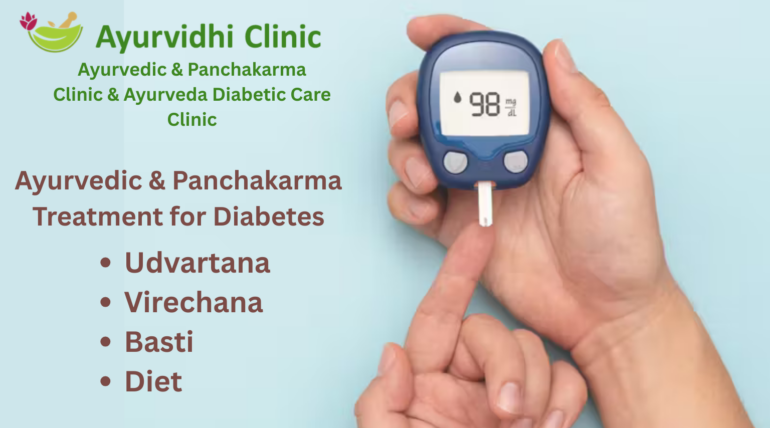
Hand holding a glucometer showing blood sugar level with Ayurvedic and Panchakarma diabetes treatment options including Udvartana, Virechana, Basti and diet at Ayurvidhi Clinic.

Natural Diabetes Management with Ayurveda & Panchakarma

Diabetes Ayurvedic Treatment — Holistic Management Through Ayurveda & Panchakarma

Introduction

Diabetes has become one of the most common lifestyle disorders affecting millions of people in India. Many patients experience persistent symptoms such as frequent urination, excessive thirst, fatigue, weight fluctuations, and difficulty maintaining stable blood sugar levels. Along with physical discomfort, diabetes can also cause emotional stress and long-term health concerns.

Diabetes Ayurvedic Treatment focuses on understanding the root cause of metabolic imbalance and restoring harmony in the body rather than only controlling blood sugar numbers. Ayurveda describes diabetes under a broad group of disorders called Prameha, with Madhumeha being the condition that closely resembles modern diabetes mellitus.

From an Ayurvedic perspective, the goal is to improve digestion (Agni), remove accumulated toxins (Ama), balance Doshas, and strengthen metabolic tissues. Through personalized medicines, Panchakarma therapies, diet correction, and lifestyle modification, Ayurveda supports sustainable and holistic management of diabetes.

If managed early and carefully, many patients experience better metabolic stability, improved energy levels, and overall well-being.


Ayurvedic Understanding of Diabetes (Madhumeha)

In classical Ayurvedic texts such as Charaka Samhita, Sushruta Samhita, and Ashtanga Hridaya, diabetes is described within the group of Prameha disorders, which involve abnormal metabolism and urinary disturbances.

Dosha Involvement

Diabetes involves complex interaction between all three Doshas:

  • Kapha Dosha — primary role in early metabolic imbalance, obesity, sluggish metabolism

  • Pitta Dosha — contributes to metabolic disturbances and tissue damage

  • Vata Dosha — dominates in advanced stages, causing tissue depletion and weakness

Most early cases show Kapha predominance, while chronic diabetes often shows Vata dominance.


Role of Agni and Ama

According to Ayurveda, healthy metabolism depends on a strong Agni (digestive and metabolic fire).

When Agni becomes weak due to improper diet and lifestyle:

  • Food is not properly digested

  • Toxic metabolic by-products called Ama accumulate

  • Ama blocks body channels (Srotas)

  • Tissue metabolism becomes disturbed

This ultimately leads to metabolic disorders like Madhumeha (diabetes).


Common Causes According to Ayurveda

Ayurvedic texts describe several lifestyle and dietary factors responsible for Prameha.

Dietary Causes

  • Excess intake of sweets and refined sugar

  • Heavy, oily, and fried foods

  • Excess dairy products and sweets

  • Frequent consumption of processed foods

  • Overeating and irregular eating habits

Lifestyle Causes

  • Sedentary lifestyle

  • Lack of physical activity

  • Excess daytime sleeping

  • Obesity or metabolic syndrome

  • Irregular daily routine

Mental and Stress Factors

Mental health also influences metabolic diseases.

  • Chronic stress

  • Anxiety and emotional imbalance

  • Poor sleep patterns

  • Work-related lifestyle pressure

These factors disturb hormonal balance and aggravate metabolic dysfunction.


Symptoms Explained in Simple Language

Common symptoms of diabetes include:

  • Frequent urination

  • Excessive thirst

  • Increased hunger

  • Fatigue and weakness

  • Slow wound healing

  • Blurred vision

  • Unexplained weight changes

  • Burning sensation in palms and soles

Some people may remain asymptomatic for a long time, which is why regular health checkups are important.


Ayurvedic Line of Treatment

Diabetes Ayurvedic Treatment focuses on correcting metabolism, strengthening tissues, and preventing complications.

Treatment is individualized based on:

  • Patient’s constitution (Prakriti)

  • Stage of disease (Vikriti)

  • Body weight

  • Digestive strength

  • Associated conditions such as obesity or hypertension

The main therapeutic principles include:

  • Improving Agni

  • Removing Ama

  • Balancing Doshas

  • Regulating metabolism

  • Strengthening tissues


Shodhana Therapy (Detoxification)

In suitable patients, detoxification therapies may be recommended.

These therapies help remove accumulated toxins and restore metabolic balance.

Possible procedures include:

Virechana (Therapeutic Purgation)

  • Eliminates excess Pitta and Kapha

  • Improves liver and metabolic function

  • Helps regulate digestion

Basti (Medicated Enema)

  • Especially beneficial in chronic diabetes with Vata dominance

  • Supports metabolic balance and tissue nourishment

These therapies are always performed under medical supervision.


Shamana Therapy (Balancing Treatment)

After detoxification or when detox is not required, Ayurvedic medicines are prescribed to stabilize metabolism.

These may include classical formulations known for:

  • Supporting pancreatic function

  • Improving glucose metabolism

  • Enhancing insulin sensitivity

  • Reducing inflammation

  • Strengthening body tissues

Herbal medicines are always selected based on individual constitution and clinical assessment.

Self-medication should be avoided.


Role of Panchakarma in Diabetes Management

Panchakarma therapies can be supportive in managing metabolic disorders.

Commonly recommended therapies include:

  • Udwartana (herbal powder massage) — helpful in obesity-related diabetes

  • Abhyanga (medicated oil massage) — improves circulation and reduces stress

  • Swedana (therapeutic sweating) — helps remove toxins

  • Basti therapy — regulates metabolism and Vata imbalance

These therapies help improve:

  • Metabolic efficiency

  • Circulation

  • Nervous system balance

  • Stress levels


Diet and Lifestyle Advice (Pathya–Apathya)

Diet plays a crucial role in diabetes management.

Recommended Foods (Pathya)

  • Whole grains such as barley and millet

  • Green leafy vegetables

  • Bitter vegetables like bitter gourd and fenugreek

  • Bottle gourd and ridge gourd

  • High-fiber foods

  • Light and freshly cooked meals

Foods to Avoid (Apathya)

  • Refined sugar and sweets

  • Deep-fried foods

  • Excess dairy and heavy foods

  • Packaged and processed foods

  • Cold drinks and sugary beverages

Lifestyle Recommendations

  • Daily physical activity such as walking or yoga

  • Maintain healthy body weight

  • Regular sleep schedule

  • Stress management practices

  • Avoid prolonged sitting

Small but consistent lifestyle changes significantly improve metabolic health.


Expected Results and Healing Timeline

Ayurvedic treatment aims for gradual metabolic correction rather than instant results.

Patients may experience:

  • Improved digestion

  • Better energy levels

  • Stable blood sugar trends

  • Reduced fatigue

  • Improved overall health

Results depend on several factors:

  • Duration of diabetes

  • Patient’s lifestyle compliance

  • Body constitution

  • Associated medical conditions

Regular monitoring of blood sugar levels is essential during treatment.


Why Ayurvedic Treatment Is Different

Holistic Approach

Ayurveda addresses digestion, metabolism, lifestyle, and mental health simultaneously.

Personalized Treatment

Every patient receives a treatment plan based on:

  • Prakriti (constitution)

  • Dosha imbalance

  • Lifestyle habits

  • Digestive strength

Focus on Long-Term Health

Rather than only managing symptoms, Ayurveda aims to support overall metabolic stability and prevent complications.


When to Consult an Ayurvedic Doctor

You should seek professional guidance if:

  • Blood sugar levels are consistently high

  • You are newly diagnosed with diabetes

  • You experience fatigue or metabolic imbalance

  • Lifestyle changes alone are not helping

  • You wish to explore supportive Ayurvedic management

Early intervention can help prevent complications and improve quality of life.


Conclusion

Diabetes is a complex metabolic condition that requires long-term care and lifestyle awareness. Ayurveda offers a time-tested, holistic approach that focuses on restoring metabolic balance, strengthening digestion, and improving overall health.

Diabetes Ayurvedic Treatment combines classical herbal medicines, Panchakarma therapies, and personalized diet and lifestyle guidance to support sustainable health.

While outcomes vary for each individual, many patients benefit from improved metabolic stability and enhanced well-being through disciplined Ayurvedic care.


Call to Action

If you are looking for a natural and holistic approach to managing diabetes, consulting a qualified Ayurvedic physician can help you understand your body and treatment options better.

🌿 A personalized Ayurvedic treatment plan can support better metabolic balance and long-term health.

Book a consultation with an experienced Ayurvedic doctor to explore safe and individualized diabetes management.
Read More
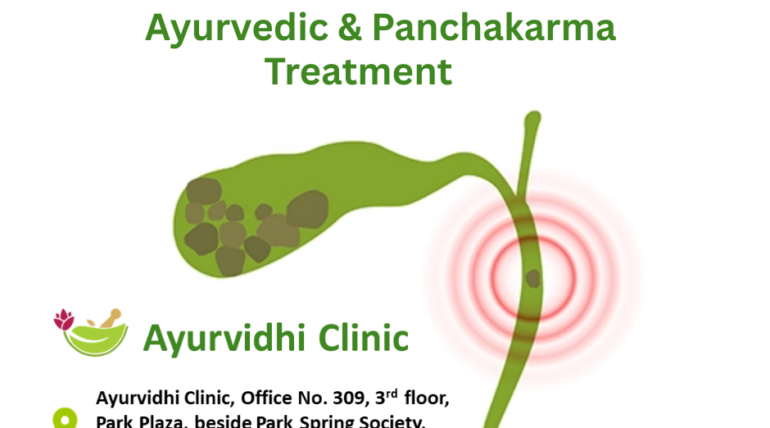
“Gall bladder stone (cholelithiasis) illustration showing stones in the gallbladder with pain indication and Ayurvedic Panchakarma treatment at Ayurvidhi Clinic Pune.”

Ayurvedic Treatment for Gall Bladder Stones (Cholelithiasis) Without Surgery

Gall Bladder Stone (Cholelithiasis) Ayurvedic Treatment — Safe, Holistic & Non-Surgical Approach

Are you experiencing recurrent right-sided abdominal pain, bloating after meals, nausea, or discomfort after eating oily foods? You may be dealing with gall bladder stones (cholelithiasis). Many patients are told that surgery is the only solution. However, Ayurveda offers a time-tested, root-cause-oriented approach that may help manage symptoms, improve bile metabolism, and support the body’s natural healing processes — without making unrealistic promises.

This page explains how gall bladder stones are understood and managed through Ayurveda and Panchakarma, in a safe, ethical, and patient-centric manner.


What Are Gall Bladder Stones?

“Gall bladder stone (cholelithiasis) illustration showing stones in the gallbladder with pain indication and Ayurvedic Panchakarma treatment at Ayurvidhi Clinic Pune.”
Gall Bladder Stone (Cholelithiasis) Ayurvedic & Panchakarma Treatment — Natural management to relieve pain, improve bile flow, and support gallbladder health.

Gall bladder stones are hardened deposits formed inside the gall bladder due to imbalance in bile composition. They may be cholesterol stones, pigment stones, or mixed types.

Common symptoms include:

  • Pain in the upper right abdomen (especially after fatty meals)

  • Nausea or vomiting

  • Bloating and indigestion

  • Bitter taste in mouth

  • Pain radiating to the back or shoulder

  • Episodes of acute colic (severe pain)

Some patients remain asymptomatic until complications arise.


Ayurvedic Understanding of Gall Bladder Stone (Pittashmari)

In Ayurveda, gall bladder stones can be correlated with Pittashmari:

  • Pitta = bile/metabolic heat

  • Ashmari = stone formation

This condition develops due to imbalance of Pitta dosha, accumulation of Ama (metabolic toxins), impaired Agni (digestive fire), and obstruction of channels (Srotas).

Dosha Involvement

  • Pitta: Primary role in bile metabolism

  • Kapha: Contributes to stone solidity and growth

  • Vata: Responsible for pain and spasmodic attacks


Role of Agni & Ama

Ayurveda emphasizes digestion as the root of health.

  • Weak digestion → incomplete metabolism

  • Formation of sticky toxic material (Ama)

  • Ama mixes with aggravated Pitta

  • Leads to crystallization and stone formation

Modern lifestyle factors — irregular meals, junk food, stress — aggravate this process.


Common Causes According to Ayurveda

Dietary Factors

  • Excess oily, fried, and spicy foods

  • Heavy non-vegetarian diet

  • Refined sugar and processed foods

  • Skipping meals or overeating

  • Very late dinners

Lifestyle Factors

  • Sedentary habits

  • Obesity or rapid weight loss

  • Lack of physical activity

  • Suppression of natural urges

Mental & Emotional Factors

  • Chronic stress

  • Anger and irritability (Pitta aggravation)

  • Poor sleep patterns


Symptoms Explained in Simple Language

Patients often describe:

  • “Pain after eating rich food”

  • “Gas and heaviness that doesn’t go away”

  • “Sharp pain that comes suddenly”

  • “Feeling full even after small meals”

In acute cases, fever or jaundice may occur — which requires immediate medical attention.


Ayurvedic Line of Treatment

Ayurveda does not aim at simply dissolving stones instantly. Instead, it focuses on:

✔ Correcting digestion
✔ Reducing inflammation
✔ Improving bile flow
✔ Preventing recurrence
✔ Supporting safe elimination where possible

Treatment is individualized based on constitution (Prakriti), severity, and associated conditions.


Shamana Therapy (Balancing Treatment)

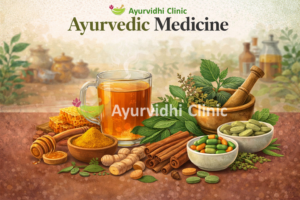
“Ayurvedic medicine with herbal tea, turmeric, honey, ginger, cinnamon, medicinal herbs, and tablets representing natural healing at Ayurvidhi Clinic.”
“Ayurvedic medicine focuses on holistic healing using natural herbs, medicinal teas, and time-tested formulations. At Ayurvidhi Clinic, we offer personalized Ayurvedic treatments to restore balance, boost immunity, and promote long-term wellness naturally.”

These therapies help manage symptoms and metabolic imbalance:

  • Deepana-Pachana (improving digestion)

  • Pitta-Kapha balancing herbal formulations

  • Liver-supportive medicines

  • Anti-inflammatory remedies

  • Agents that support bile regulation

This phase prepares the body for deeper detox if required.


Role of Panchakarma in Gall Bladder Stones

Panchakarma is considered when the patient is suitable and symptoms are stable.

Virechana (Therapeutic Purgation)

  • Primary treatment for Pitta disorders

  • Helps eliminate excess Pitta from the body

  • Supports liver and bile metabolism

  • May reduce recurrence tendency

Basti (Medicated Enema)

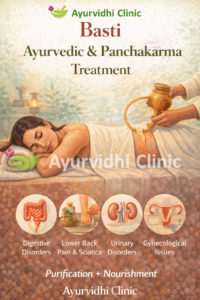
“Basti therapy being administered as an Ayurvedic Panchakarma treatment for digestive, urinary, gynecological, and lower back disorders at Ayurvidhi Clinic.”
“Basti Therapy is one of the most powerful Panchakarma treatments in Ayurveda, especially for balancing Vata dosha. At Ayurvidhi Clinic, Basti is used for detoxification, nourishment, and effective management of digestive disorders, lower back pain, sciatica, urinary issues, and gynecological conditions.”
  • Useful when Vata involvement is significant

  • Helps relieve pain and improve digestion

Panchakarma is always performed under medical supervision after proper assessment.


Diet & Lifestyle Guidance (Pathya-Apathya)

Recommended Diet (Pathya)

  • Warm, freshly cooked meals

  • Light and easily digestible foods

  • Bitter vegetables (like karela, methi)

  • Bottle gourd, ridge gourd

  • Whole grains in moderation

  • Adequate hydration

  • Early dinners

Foods to Avoid (Apathya)

  • Deep-fried foods

  • Excess oil, butter, cheese

  • Junk and fast food

  • Bakery items

  • Cold drinks and ice cream

  • Alcohol

  • Heavy late-night meals


Daily Lifestyle Advice

  • Regular meal timings

  • Gentle physical activity (walking, yoga)

  • Stress management

  • Avoid prolonged fasting

  • Maintain healthy weight gradually


Expected Results & Healing Timeline

Ayurvedic management focuses on gradual improvement.

Patients may experience:

✔ Reduced frequency of pain episodes
✔ Improved digestion
✔ Less bloating and heaviness
✔ Better tolerance to food
✔ Prevention of new stone formation

Timeline varies depending on:

  • Size and number of stones

  • Duration of disease

  • Individual constitution

  • Diet and lifestyle compliance

Ayurveda does not promise instant or guaranteed removal of stones. In complicated cases, surgical opinion may still be necessary.


Why Ayurvedic Treatment Is Different

Holistic Approach

Treats the entire digestive system — not just the gall bladder.

Personalized Care

Based on Prakriti, Dosha imbalance, and overall health.

Root-Cause Focus

Addresses Agni, Aama, and metabolic disturbances.

Long-Term Prevention

Aims to reduce recurrence risk through lifestyle correction.


When You Should Consult an Ayurvedic Doctor

Seek professional evaluation if you have:

  • Recurrent abdominal pain

  • Known gall bladder stones

  • Digestive disturbances with fatty food intolerance

  • Family history of gall stones

  • Desire to explore non-surgical options

Immediate hospital care is required if severe pain, fever, or jaundice occurs.


Frequently Asked Patient Questions

Is surgery always necessary?

Not in all cases. Many asymptomatic or mild cases can be managed conservatively with medical supervision.

Can Ayurveda dissolve stones?

Ayurveda aims to support metabolic correction and symptom relief. Outcomes vary; ethical treatment does not guarantee dissolution.

Is Panchakarma safe?

Yes, when performed after proper assessment by a qualified physician.


Our Approach to Gall Bladder Stone Management

At our clinic, treatment plans typically include:

  • Detailed Ayurvedic consultation

  • Individualized medicines

  • Diet planning

  • Lifestyle counseling

  • Panchakarma (if indicated)

  • Regular follow-up

We emphasize safe, evidence-informed traditional care.


Soft Medical Disclaimer

This information is educational and not a substitute for medical diagnosis. Treatment suitability varies by individual. Patients with severe symptoms or complications should seek urgent medical care.


Conclusion

Gall bladder stones are often a manifestation of deeper metabolic imbalance rather than an isolated problem. Ayurveda offers a compassionate, holistic pathway that focuses on digestion, detoxification, and long-term well-being.

If you are looking for a natural, non-surgical supportive approach for gall bladder stones, Ayurvedic management may be worth exploring under expert guidance.


Book a Consultation

Take the first step toward digestive health and pain-free living @https://wa.me/message/MBTFCXKULPB2K1

👉 Schedule a personalized Ayurvedic consultation to understand your condition, treatment options, and suitability for Panchakarma.

✔ Individual assessment
✔ Safe and ethical treatment plan
✔ Guidance tailored to Indian diet and lifestyle

Contact us today to begin your healing journey @https://ayurvidhiclinic.com/contact-us/

Read More
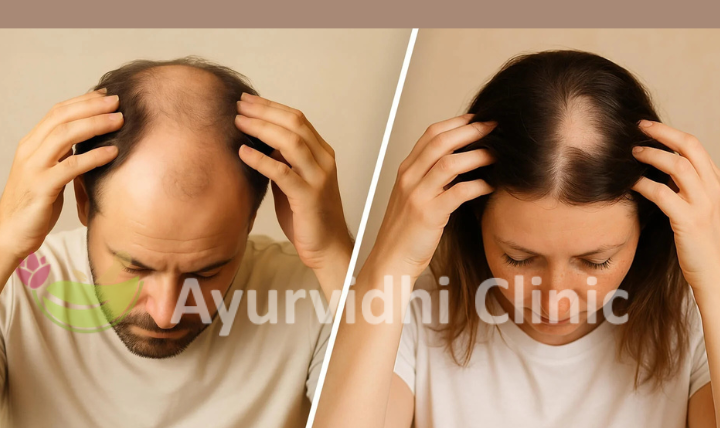
“Before and after comparison of hair loss in men and women showing alopecia and Ayurvedic treatment approach at Ayurvidhi Clinic.”

Restore Hair Health Naturally: Ayurvedic Alopecia Treatment

Introduction: Understanding Hair Loss Beyond the Scalp

Hair fall and thinning are among the most common concerns seen in Ayurvedic OPD practice today. Patients often report excessive hair fall while bathing or combing, visible thinning of scalp hair, patchy hair loss, or loss of hair density at a young age. Beyond physical appearance, alopecia can lead to anxiety, lowered confidence, and emotional distress.

Ayurveda views Alopecia not merely as a cosmetic problem, but as a sign of internal imbalance involving Doshas, digestion (Agni), tissue nourishment (Dhatu), and mental stress. Therefore, Alopecia Ayurvedic Treatment focuses on correcting the underlying causes rather than offering temporary or superficial solutions.

This blog explains the Ayurvedic understanding of alopecia and how Ayurvedic medicines and Panchakarma therapies support gradual and sustainable hair health.


Ayurvedic Understanding of Alopecia

Classical texts such as Charaka Samhita, Sushruta Samhita, and Ashtanga Hridaya describe hair loss conditions under Khalitya (hair fall), Palitya (premature greying), and Indralupta (patchy hair loss).

Dosha Involvement

  • Pitta Dosha (heat and metabolism):
    Excess Pitta generates heat in the scalp, weakening hair follicles and causing hair to fall.

  • Vata Dosha (movement and nourishment):
    Aggravated Vata leads to dryness, roughness, and poor nourishment of hair roots.

  • Kapha Dosha (structure and stability):
    When vitiated, Kapha blocks hair follicles and prevents regrowth.

Hair loss occurs due to a combined imbalance of Pitta causing damage, Vata causing dryness, and Kapha obstructing growth.


Role of Agni and Ama

Healthy hair growth depends on efficient digestion and tissue metabolism.

  • Weak digestive fire (Mandagni) leads to improper absorption of nutrients

  • Formation of Ama (toxic metabolic waste) obstructs circulation to hair follicles

  • Hair roots receive inadequate nourishment, resulting in excessive hair fall

In Ayurveda, improving digestion is a foundational step in hair loss management.


Srotas (Body Channels) Involved

  • Rasa Vaha Srotas – responsible for nutrient transport

  • Asthi Vaha Srotas – hair is considered a by-product of bone tissue (Asthi Dhatu)

Any depletion or obstruction in these channels directly affects hair health.


Common Causes of Alopecia According to Ayurveda

Dietary Factors

  • Excess spicy, sour, oily, or fried foods

  • Irregular eating habits or prolonged fasting

  • Excess intake of tea, coffee, junk food

  • Lack of fresh, nourishing meals

Lifestyle Factors

  • Late nights and disturbed sleep

  • Excessive screen exposure and mental strain

  • Lack of regular scalp oiling

  • Overuse of chemical-based hair products

Mental and Emotional Factors

  • Chronic stress and anxiety

  • Emotional suppression and overthinking

  • Work pressure and lifestyle imbalance

Ayurveda gives significant importance to mental stress as a trigger for hair loss, especially in urban lifestyles.

Hormonal and Hereditary Factors

  • Family history of alopecia

  • Post-illness or post-pregnancy hair fall

  • Thyroid or metabolic disturbances


Symptoms Explained in Simple Language

Patients may experience:

  • Excessive daily hair fall

  • Thinning of scalp hair

  • Patchy hair loss in some cases

  • Dryness, itching, or burning sensation of scalp

  • Premature greying along with hair fall

Early Ayurvedic intervention helps prevent progression.


Ayurvedic Line of Treatment for Alopecia

Ayurvedic management is personalized, considering Prakriti (individual constitution) and Vikriti (current imbalance).


Shodhana (Detoxification – When Indicated)

Shodhana therapies are recommended when Pitta and Ama are significantly aggravated.

  • Virechana (therapeutic purgation)
    Helps eliminate excess Pitta and metabolic toxins
    Improves digestion and tissue nourishment

  • Raktamokshana (blood purification – selective cases)
    Considered when scalp inflammation, burning, or redness is prominent

Detoxification is advised only after thorough clinical assessment.


Shamana (Balancing and Nourishing Therapies)

Shamana treatment focuses on stabilizing Doshas and strengthening hair roots.

  • Internal Ayurvedic medicines help:

    • Pacify aggravated Pitta and Vata

    • Improve Agni and nutrient absorption

    • Strengthen Asthi and Majja Dhatu

Classical herbs commonly used (as per individual need):

  • Bhringraj

  • Amla

  • Guduchi

  • Yashtimadhu

  • Triphala

Medicines are prescribed only after consultation; self-medication is discouraged.


Role of Panchakarma in Alopecia Ayurvedic Treatment

Panchakarma therapies support deeper healing and stress reduction.

Shiro Abhyanga (Medicated Head Massage)

  • Improves scalp circulation

  • Nourishes hair follicles

  • Reduces dryness and stress-induced hair fall

Shirodhara

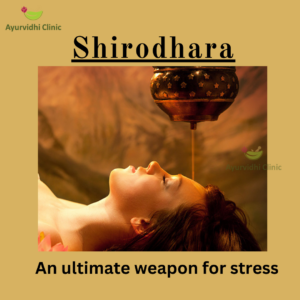
“Shirodhara Ayurvedic therapy with warm herbal oil flowing on the forehead for mental relaxation and nervous system balance at Ayurvidhi Clinic.”
“Shirodhara is a classical Ayurvedic therapy where a continuous stream of medicated oil is gently poured on the forehead to calm the mind, balance Vata and Pitta dosha, and support mental and neurological health.”
  • Calms the nervous system

  • Reduces stress and hormonal imbalance

  • Helpful in stress-related and chronic hair loss

Nasya (Nasal Therapy)

  • Classical treatment for head and scalp disorders

  • Improves nourishment of hair roots

  • Supports hormonal and nervous balance

Panchakarma is planned based on disease severity and patient tolerance.


Diet and Lifestyle Advice (Pathya–Apathya)

Pathya (Recommended)

  • Warm, freshly cooked meals

  • Amla, ghee, and seasonal fruits

  • Green leafy vegetables

  • Adequate hydration

  • Regular sleep and stress management

Apathya (To Avoid)

  • Excess spicy, sour, fried foods

  • Late nights and irregular routines

  • Excess tea, coffee, alcohol

  • Chemical hair treatments and harsh products

Simple daily corrections significantly improve treatment outcomes.


Expected Results and Healing Timeline

Ayurvedic treatment emphasizes gradual and sustainable healing.

  • Reduction in hair fall: usually within 4–6 weeks

  • Improved scalp health: 2–3 months

  • Hair regrowth: gradual and variable

Results depend on:

  • Chronicity of alopecia

  • Individual constitution

  • Stress levels

  • Treatment compliance and follow-up

Ayurveda does not promise instant regrowth but focuses on long-term hair health.


Why Alopecia Ayurvedic Treatment Is Different

  • Addresses root cause rather than only scalp symptoms

  • Improves digestion, stress, and tissue nourishment together

  • Personalized treatment approach

  • Avoids long-term dependency on chemical products

  • Focuses on prevention of recurrence

Ayurveda considers hair health a reflection of overall internal balance.


When to Consult an Ayurvedic Doctor

  • Persistent or excessive hair fall

  • Sudden or patchy hair loss

  • Scalp burning, itching, or inflammation

  • Stress-related or hormonal hair fall

  • Desire for natural, long-term hair care

Early consultation leads to better outcomes.


Conclusion: Restoring Balance for Healthy Hair Growth

Alopecia can be distressing, but Ayurveda offers a classical, holistic, and patient-centric approach to hair loss management. By correcting Dosha imbalance, strengthening digestion, reducing stress, and nourishing hair follicles, Alopecia Ayurvedic Treatment supports sustainable hair health.

With proper medical guidance, Panchakarma support, and lifestyle discipline, many patients experience meaningful improvement in hair strength and scalp health.

If you are experiencing ongoing hair loss or scalp concerns, consult a qualified Ayurvedic physician for a personalized evaluation and treatment plan. Early holistic care can help preserve and strengthen natural hair health. Contact Us@https://ayurvidhiclinic.com/contact-us/

Medical Disclaimer: Results vary according to individual constitution, disease severity, and treatment compliance. Ayurvedic treatment should be undertaken under professional medical supervision.

Read More
create an alt text for the image and also SEO-Optimized Caption to mention in WordPress, GMB description, SEO-optimized filename, Short caption for Instagram, Image Description (for blog SEO) & hashtag

Frozen Shoulder Relief the Ayurvedic Way

When Shoulder Pain Slowly Restricts Your Life

Persistent shoulder pain, stiffness, and difficulty raising the arm can quietly disrupt daily routines—dressing, combing hair, sleeping comfortably, or even performing routine household or office work. Many patients delay treatment, assuming it is age-related or temporary, only to realize later that the shoulder has gradually “frozen.”

In Ayurveda, Frozen Shoulder is not viewed as a sudden joint disorder but as a progressive condition arising from Dosha imbalance, weak digestion (Agni), toxin accumulation (Aama), and impaired nourishment of joints and nerves. Ayurvedic management focuses on understanding the root cause and restoring natural movement gradually, without suppressing symptoms.

This blog explains the Ayurvedic understanding of Frozen Shoulder and how Ayurveda and Panchakarma therapies support long-term relief in a safe and ethical manner.


Ayurvedic Understanding of Frozen Shoulder

Classical Ayurvedic texts such as Charaka Samhita and Ashtanga Hridaya describe shoulder stiffness and pain under conditions like Avabahuka and Bahushosha.

Dosha Involvement

  • Vaata Dosha (responsible for movement and nerve function) is primarily aggravated

  • Kapha Dosha (responsible for lubrication and stability) contributes to stiffness

When aggravated Vaata dries the joint tissues and Kapha blocks movement, the shoulder gradually loses mobility.

Role of Agni and Aama

  • Weak digestive fire (Mandagni) leads to formation of Aama (toxic metabolic residue)

  • Aama circulates and lodges in joints, causing pain, heaviness, and stiffness

Srotas (Body Channels)

  • Asthi Vaha Srotas (channels of bones and joints) become obstructed

  • Proper nourishment of shoulder structures is compromised

In simple terms, Frozen Shoulder develops due to poor digestion, toxin accumulation, and disturbed joint nourishment.


Common Causes of Frozen Shoulder According to Ayurveda

Dietary Factors

  • Excess intake of dry, cold, or processed foods

  • Irregular meal timings

  • Excessive tea, coffee, or packaged snacks

Lifestyle Factors

  • Prolonged desk work and poor posture

  • Lack of regular physical activity

  • Sudden exposure to cold air or cold climate

  • Long periods of shoulder immobility after injury

Medical & Age-Related Factors

  • Diabetes mellitus

  • Post-surgical or post-traumatic immobilization

  • Natural increase of Vaata Dosha with age

Mental & Emotional Factors

  • Chronic stress and anxiety

  • Poor sleep quality

Ayurveda emphasizes that mental stress directly aggravates Vata, worsening musculoskeletal conditions.


Symptoms Explained in Simple Language

Patients commonly report:

  • Gradual onset of shoulder pain

  • Difficulty lifting or rotating the arm

  • Pain during daily activities like bathing or dressing

  • Night pain affecting sleep

  • Progressive stiffness and restricted movement

Without timely intervention, stiffness may worsen and recovery may take longer.


Ayurvedic Line of Treatment for Frozen Shoulder

Ayurvedic treatment is individualized based on the patient’s Prakriti (constitution) and Vikruti (current imbalance).

1. Shodhana (Detoxification – When Required)

Shodhana therapies are advised when Aama accumulation is significant.

  • Virechana (therapeutic purgation)
    Helps clear deep-seated toxins and balance Vaata-Kapha Dosha

  • Basti (medicated enema therapy)

  • “Basti therapy being administered as an Ayurvedic Panchakarma treatment for digestive, urinary, gynecological, and lower back disorders at Ayurvidhi Clinic.”
    “Basti Therapy is one of the most powerful Panchakarma treatments in Ayurveda, especially for balancing Vata dosha. At Ayurvidhi Clinic, Basti is used for detoxification, nourishment, and effective management of digestive disorders, lower back pain, sciatica, urinary issues, and gynecological conditions.”


    Considered the most effective treatment for Vaata disorders
    Nourishes nerves, joints, and supports mobility

Detox therapies are recommended only after proper clinical assessment.


2. Shamana (Balancing and Healing Therapies)

“Ayurvedic medicine with herbal tea, turmeric, honey, ginger, cinnamon, medicinal herbs, and tablets representing natural healing at Ayurvidhi Clinic.”
“Ayurvedic medicine focuses on holistic healing using natural herbs, medicinal teas, and time-tested formulations. At Ayurvidhi Clinic, we offer personalized Ayurvedic treatments to restore balance, boost immunity, and promote long-term wellness naturally.”

Shamana treatment focuses on relieving pain and restoring movement gradually.

  • Internal Ayurvedic medicines to:

    • Pacify aggravated Vaata

    • Reduce inflammation

    • Improve joint nourishment

Classical formulations may include herbs such as:

  • Dashamoola

  • Rasna

  • Shallaki

  • Guggulu-based preparations

Medicines are always prescribed after consultation and should not be self-medicated.


Role of Panchakarma in Frozen Shoulder Management

Panchakarma therapies play a vital role in restoring joint function.

Abhyanga (Medicated Oil Massage)

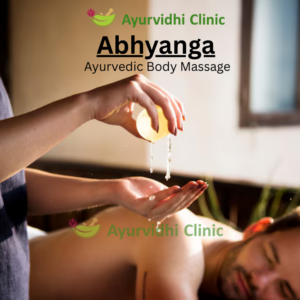
Ayurvidhi Clinic image showing Abhyanga Ayurvedic body massage with warm herbal oil poured on the body, promoting relaxation, detoxification, and holistic wellness.
The image shows a therapist gently pouring warm herbal oil onto the body of a person during an Abhyanga Ayurvedic massage session. The client is lying comfortably, symbolizing relaxation and healing. The soft lighting and natural tones reflect calmness and rejuvenation. The text “Abhyanga – Ayurvedic Body Massage” with the Ayurvidhi Clinic logo highlights the therapeutic benefits of traditional oil massage for detoxification, stress relief, and holistic wellness.
  • Improves circulation

  • Reduces dryness and stiffness

  • Nourishes muscles and joints

Swedana (Fomentation Therapy)

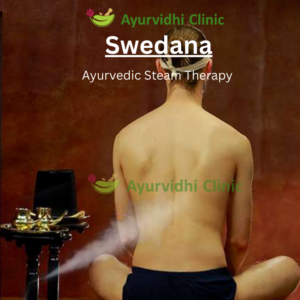
Ayurvidhi Clinic image showing Swedana Ayurvedic steam therapy, with herbal steam applied to the back for detoxification, pain relief, and dosha balance.
Swedana Ayurvedic Steam Therapy helps eliminate toxins, relieve stiffness, and improve circulation. At Ayurvidhi Clinic, this traditional therapy is used to support joint health, muscle relaxation, detoxification, and enhanced results of Panchakarma treatments.
  • Relieves muscle tightness

  • Enhances joint flexibility

Patra Pinda Swedana / Shashlik Shali Pinda Swedana


  • Useful in chronic or long-standing cases

  • Strengthens muscles and connective tissues

Nasya (Nasal Therapy)

  • Beneficial when shoulder stiffness is associated with neck involvement

All therapies are planned based on stage of disease and patient tolerance.


Diet and Lifestyle Guidance (Pathya–Apathya)

Pathya (Recommended)

  • Warm, freshly cooked meals

  • Use of ghee and sesame oil

  • Light, nourishing foods

  • Gentle shoulder mobility exercises

Apathya (To Avoid)

  • Cold, dry, and refrigerated foods

  • Excess curd and bakery products

  • Daytime sleeping

  • Sudden heavy exercises or strain

Simple lifestyle changes significantly support recovery.


Expected Results and Healing Timeline

Ayurvedic healing is gradual and sustainable:

  • Pain relief usually begins within a few weeks

  • Mobility improves progressively with therapy

  • Long-term stability depends on compliance and follow-up

Results vary based on age, chronicity, associated conditions, and lifestyle adherence.


Why Ayurvedic Treatment Is Different

  • Addresses root cause rather than temporary pain relief

  • Focuses on joint, nerve, and digestive health together

  • Personalized treatment approach

  • Reduces recurrence and dependency on painkillers

Ayurveda views Frozen Shoulder as a systemic imbalance, not an isolated joint issue.


When to Consult an Ayurvedic Doctor

  • Shoulder pain lasting more than a few weeks

  • Increasing stiffness or restricted movement

  • Night pain disturbing sleep

  • Temporary relief from painkillers

  • Desire for non-invasive, holistic care

Early consultation leads to better outcomes.


Conclusion: Gentle Healing with Classical Ayurvedic Wisdom

Frozen Shoulder can be physically limiting, but Ayurveda offers a time-tested, holistic approach to restore comfort and mobility. By correcting Dosha imbalance, improving digestion, removing toxins, and nourishing joints, Ayurvedic and Panchakarma therapies support long-term healing.

With proper guidance and timely care, many patients experience meaningful improvement without invasive procedures.


Call to Action

If you are experiencing persistent shoulder pain or stiffness, consult an experienced Ayurvedic physician for a personalized evaluation and treatment plan. Early, holistic intervention can help prevent long-term discomfort

Read More
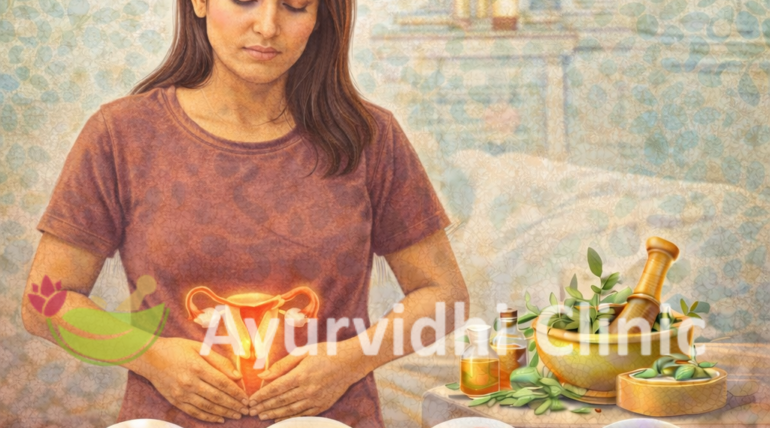
“Ayurvedic approach to uterine health showing a woman with highlighted uterus, herbal remedies, hormone balance, detoxification therapies, and fertility enhancement at Ayurvidhi Clinic.”

Uterine Health the Ayurvedic Way

Introduction

Uterine health is not just about menstruation or fertility—it is deeply connected to a woman’s overall physical strength, hormonal balance, emotional stability, and long-term wellness. Many women silently struggle with problems like irregular periods, painful menstruation, white discharge, fibroids, bulky uterus, PCOD, recurrent infections, or unexplained infertility. Often, these issues are managed symptom-by-symptom without addressing the root cause, leading to repeated discomfort and frustration.

Ayurveda offers a holistic and time-tested approach to uterine health, focusing on balance, nourishment, detoxification, and long-term stability rather than quick suppression of symptoms. Understanding uterine health through Ayurveda helps women reconnect with their bodies and restore natural harmony.


Ayurvedic Understanding of Uterine Health

In Ayurveda, the uterus is referred to as Garbhashaya—the sacred space responsible for menstruation, conception, and nurturing life. Healthy uterine function depends on the balanced state of Doshas, proper digestive fire (Agni), absence of toxins (Ama), and unobstructed channels (Srotas).

Dosha Involvement

  • Vaata Dosha
    Governs movement and flow. When imbalanced, it can cause:

    • Irregular or scanty periods

    • Painful menstruation

    • Dryness and spasms in the pelvic region

  • Pitta Dosha
    Governs heat and metabolism. Its imbalance may lead to:

    • Heavy bleeding

    • Burning sensation

    • Inflammation, infections, or fibroids

  • Kapha Dosha
    Governs structure and growth. Excess Kapha can result in:

    • Cysts, fibroids, bulky uterus

    • White discharge

    • Sluggish uterine metabolism

Role of Agni & Ama

  • Agni (digestive and metabolic fire) must be balanced to ensure proper tissue nourishment (Dhatu Poshana).

  • Weak Agni leads to Aama (toxic metabolic waste), which accumulates in the reproductive channels and disrupts uterine function.

  • Over time, Aama blocks Artavavaha Srotas (channels carrying menstrual blood), giving rise to chronic gynecological disorders.


Common Causes of Poor Uterine Health According to Ayurveda

Dietary Factors

  • Excess intake of:

    • Cold, processed, packaged foods

    • Refined sugar and bakery items

    • Excessively spicy or oily foods

  • Irregular eating habits and late meals

  • Frequent dieting without medical guidance

Lifestyle Factors

  • Sedentary lifestyle or excessive physical strain

  • Night-shift work or poor sleep routine

  • Suppressing natural urges (especially urine and bowel movements)

  • Excessive use of hormonal medications without addressing root imbalance

Mental & Emotional Factors

Ayurveda recognizes the strong connection between the uterus and emotions.

  • Chronic stress, anxiety, or grief

  • Emotional suppression

  • Long-term mental exhaustion

These factors aggravate Vaata and Pitta, directly impacting menstrual and uterine health.


Symptoms of Uterine Imbalance Explained Simply

Common signs that indicate disturbed uterine health include:

  • Irregular, painful, or heavy periods

  • White or yellow vaginal discharge

  • Lower abdominal or back pain

  • Frequent urinary or vaginal infections

  • Difficulty conceiving

  • Fatigue, irritability, or mood swings during cycles

These symptoms are signals that the body is asking for balance—not suppression.


Ayurvedic Line of Treatment for Uterine Health

Ayurvedic treatment is always individualized, based on Prakriti (body constitution) and Vikruti (current imbalance).

Shodhana (Detoxification – When Indicated)

Shodhana therapies are advised only after proper assessment.

  • Helps eliminate deep-seated Aama

  • Clears blocked reproductive channels

  • Restores Dosha balance

Commonly indicated Panchakarma therapies may include:

  • Virechana (therapeutic purgation) for Pitta disorders

  • Basti (medicated enema) especially for Vaata-related uterine issues

  • Uttar Basti

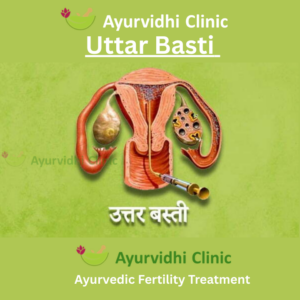
“Illustration of Uttar Basti Ayurvedic fertility treatment showing medicinal oil administration to the uterus for reproductive health and hormonal balance at Ayurvidhi Clinic.”
“Uttar Basti is a specialized Ayurvedic Panchakarma therapy used to support uterine health, hormonal balance, and fertility through localized administration of medicated oils under expert Ayurvedic care at Ayurvidhi Clinic.”

in selected gynecological conditions under strict medical supervision

Shamana (Balancing & Nourishing Therapies)

  • Herbal formulations to regulate cycles

  • Uterine tonics for strengthening Garbhashaya

  • Medicines to improve Agni and hormonal balance

Role of Panchakarma in Uterine Health

Panchakarma for uterine health is not a one-size-fits-all solution. When clinically indicated, it helps:

  • Detoxify reproductive organs

  • Improve blood circulation in the pelvic region

  • Enhance fertility and menstrual regularity

  • Support long-term healing in chronic uterine disorders


Diet & Lifestyle Advice (Pathya-Apathya)

Recommended (Pathya)

  • Warm, freshly cooked meals

  • Ghee in moderation

  • Seasonal fruits and vegetables

  • Adequate hydration with warm water

  • Regular meal timings

To Avoid (Apathya)

  • Cold drinks and ice-cold foods

  • Excess sugar and junk food

  • Skipping meals

  • Overexertion during menstruation

Lifestyle Support

  • Gentle yoga and pranayama

  • Adequate sleep

  • Stress-management practices like meditation

  • Respecting the body’s natural menstrual rhythm


Expected Results & Healing Timeline

Ayurveda works on root-cause correction, not instant symptom relief.

  • Initial improvement may be seen in digestion and energy

  • Menstrual regulation happens gradually

  • Structural conditions take longer and need patience

Healing depends on:

  • Individual constitution

  • Chronicity of the condition

  • Diet and lifestyle compliance

Consistency and proper medical guidance are key.


Why Ayurvedic Treatment for Uterine Health Is Different

  • Holistic Approach
    Treats body, mind, digestion, and lifestyle together

  • Personalized Care
    No two women receive the same treatment plan

  • Long-Term Focus
    Aims to restore natural balance and prevent recurrence

Ayurveda doesn’t just manage uterine problems—it strengthens the entire reproductive system.


When to Consult an Ayurvedic Doctor

You should consider Ayurvedic consultation if you experience:

  • Persistent menstrual irregularities

  • Chronic white discharge or infections

  • Painful or heavy periods

  • Difficulty conceiving

  • Recurrent gynecological complaints despite treatment

Early intervention prevents long-term complications. For Uterine Health and other problems related to Female Gynecological Issues contact us @https://ayurvidhiclinic.com/contact-us/


Conclusion

Uterine health through Ayurveda is about balance, awareness, and sustainable healing. By understanding the body’s signals and addressing root imbalances, women can experience improved menstrual health, emotional stability, and overall vitality. Ayurveda empowers women to take charge of their health naturally and responsibly.

Ayurvedic treatment outcomes vary from person to person and should always be undertaken under the guidance of a qualified Ayurvedic physician.


Call to Action

If you are facing ongoing uterine or menstrual concerns, consider consulting an experienced Ayurvedic doctor for a personalized evaluation. With the right guidance, diet, and therapy, long-term uterine health can be restored naturally.

🌿 Your body has the wisdom to heal—Ayurveda helps you listen to it.

Read More
“Ayurvedic and Panchakarma treatment concept for premature ejaculation, showing natural oil therapy for improving sexual control and reproductive health at Ayurvidhi Clinic.”

Long-Lasting Control On Premature Ejaculation Through Ayurveda & Panchakarma

Premature Ejaculation (PE) is one of the most common yet least discussed male sexual health concerns. Many men silently struggle with early ejaculation, reduced confidence, stress, and relationship dissatisfaction. Due to social stigma, most delay treatment—often worsening the condition.

Modern medicine usually offers temporary solutions like sprays or tablets, which may suppress sensation or cause dependency. Ayurveda provides a safe, natural, and root-cause–based approach to improve control, strengthen nerves, and restore healthy sexual function.

Facing early ejaculation or low sexual confidence? Consult our Ayurvedic expert for a private and personalized solution.@https://ayurvidhiclinic.com/contact-us/


What is Premature Ejaculation According to Ayurveda?

In Ayurveda, Premature Ejaculation is understood as a disorder of Vaata imbalance, weakened Shukra Dhatu (reproductive tissue), and disturbed nervous control (Majja Dhatu).

Excess mental stress, overthinking, anxiety, poor digestion, and irregular lifestyle further aggravate the condition.

Common Ayurvedic causes include:

  • Vaata aggravation

  • Weak Shukra Dhatu

  • Anxiety and performance stress

  • Excessive sexual stimulation or habits

  • Poor digestion and low vitality

  • Lack of proper nerve nourishment

 Identify your exact dosha and nerve imbalance with an Ayurvedic diagnosis.https://ayurvidhiclinic.com/contact-us/


Common Symptoms of Premature Ejaculation

  • Ejaculation occurring too quickly

  • Poor control over ejaculation

  • Anxiety before or during intercourse

  • Reduced sexual confidence

  • Dissatisfaction for self or partner

  • Mental stress and guilt

Early treatment gives better and long-lasting results.

Do not ignore sexual health concerns—Ayurveda treats them safely and naturally.


Ayurvedic Treatment for Premature Ejaculation

Ayurvedic management focuses on:
✔ Strengthening nerves
✔ Nourishing reproductive tissues
✔ Improving mind–body coordination
✔ Reducing anxiety and stress

🔹 Ayurvedic Medicines

Ayurvedic Herbal medicine and its formulation are subject based on the Prakriti & Vikruti of the patient’s and its disease. A customized detailed case study of patient’s Prakriti & Vikruti is necessary. But for informative purpose we mention here some commonly used Ayurvedic herbs include while treating Premature Ejaculation with Ayurveda medicine. Commonly used herbs include; Ashwagandha, Shatavari, Bala, Guduchi.

These medicines:
✔ Improve ejaculation control
✔ Enhance stamina
✔ Strengthen Shukra Dhatu
✔ Support hormonal balance

Get customized Ayurvedic medicines prepared under Vaidya supervision.


Penile Massage Oil for Healthy Penile Function

A specially prepared Ayurvedic Penile Massage Oil plays an important role in PE management.

Benefits:

  • Improves local blood circulation

  • Nourishes penile nerves

  • Reduces hypersensitivity

  • Enhances erection quality

  • Supports better control and stamina

When used regularly with proper technique, it strengthens penile tissues safely.

Ask our Vaidya about the correct use of Ayurvedic Penile Massage Oil for best results.


VIddhaKarma: Ayurvedic Nerve Stimulation Therapy

VIddhaKarma is a classical Ayurvedic para-surgical technique used for nerve stimulation and neuromuscular balance.

How it helps in PE:

  • Improves nerve response

  • Enhances sensory control

  • Strengthens mind–nerve coordination

It is a safe, OPD-based procedure when performed by trained Ayurvedic doctors.


Uttar Basti for Penile & Reproductive Health

Uttar Basti is a specialized Panchakarma therapy directly acting on the urinary and reproductive system.

Benefits in Premature Ejaculation:

  • Strengthens reproductive organs

  • Improves nerve nourishment

  • Supports ejaculation control

  • Enhances overall penile health

This therapy is especially useful in chronic or long-standing cases.

Ask about our specialized Uttar Basti treatment for male reproductive health.


Diet & Lifestyle Support for Better Control

Recommended:

  • Warm, nourishing foods

  • Cow ghee in moderation

  • Regular sleep routine

  • Pranayama (Anulom Vilom, Bhramari)

  • Stress management

Avoid:

  • Excess caffeine and alcohol

  • Late nights

  • Excessive screen exposure

  • Irregular meals

Get a personalized Ayurvedic diet and lifestyle plan for sexual wellness.


Why Choose Ayurveda for Premature Ejaculation?

✔ Natural and safe
✔ No numbing sprays or dependency
✔ Improves confidence and control
✔ Addresses mental and physical causes
✔ Long-term and sustainable results

Ayurveda treats sexual health with dignity, privacy, and effectiveness.


🏥 Our Clinic’s Special Approach to Male Sexual Health

At our Ayurvedic clinic, we provide:

  • Confidential consultation

  • Root-cause diagnosis

  • Customized herbal medicines

  • Penile massage oil guidance

  • VIddhaKarma therapy

  • Supportive Panchakarma & Uttar Basti Panchakarma care

  • Mind–body sexual wellness programs

Book your private Ayurvedic consultation today and regain confidence naturally.


Restore Control, Confidence & Sexual Well-being

Premature Ejaculation is treatable. With the right Ayurvedic approach, you can achieve better control, satisfaction, and mental peace—without side effects.

📞 Call now to book your consultation @https://ayurvidhiclinic.com/contact-us/
📍 Visit our clinic for discreet and holistic care @https://www.google.com/maps/place/Ayurvidhi+Clinic/@18.613671,73.911719,15z/data=!4m6!3m5!1s0x3bc2c7990322abff:0xc5de21061f105a92!8m2!3d18.6136707!4d73.9117195!16s%2Fg%2F11j32wcd1_?hl=en&entry=ttu&g_ep=EgoyMDI2MDExMS4wIKXMDSoASAFQAw%3D%3D

Read More
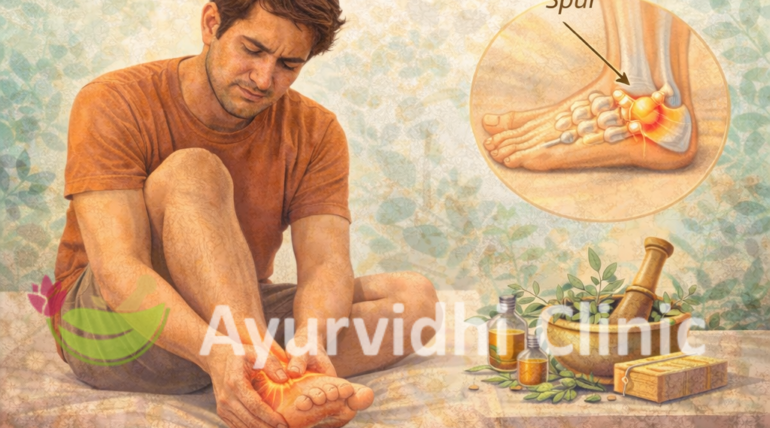
“Calcaneal spur (heel pain) illustration showing heel bone inflammation and Ayurvedic treatment approach using herbal remedies, medicated oil therapies, Panchakarma, and lifestyle modifications at Ayurvidhi Clinic.”

Ayurvedic & Panchakarma Care for Calcaneal Spur (Heel Pain)

Ayurvedic & Panchakarma Care for Calcaneal Spur (Heel Pain)

Heel pain is one of the most common and painful foot problems, often affecting people who stand for long hours, walk excessively, or have improper footwear habits. A common cause of chronic heel pain is Calcaneal Spur, a bony outgrowth on the heel bone that causes sharp pain, especially during the first steps in the morning.

While painkillers and injections may offer temporary relief, Ayurveda provides a natural, root-cause–based approach to manage heel pain and prevent recurrence—without side effects.

Suffering from heel pain while walking or standing? Book an Ayurvedic consultation today.https://ayurvidhiclinic.com/contact-us/


🦶 What is Calcaneal Spur According to Ayurveda?

In Ayurveda, Calcaneal Spur and heel pain are related to Vaata Vyadhi involving Asthi (bone), Sandhi (joints), and Snayu (ligaments).

Aggravated Vaata Dosha, along with local tissue degeneration and improper foot stress, leads to pain, stiffness, and inflammation in the heel region.

Common Ayurvedic causes include:

  • Excessive standing or walking

  • Hard or improper footwear

  • Obesity or sudden weight gain

  • Aging and bone degeneration

  • Weak digestion and nutrition

  • Dryness and Vaata aggravation

Identify the root cause of your heel pain with an Ayurvedic assessment.


Common Symptoms of Calcaneal Spur / Heel Pain

  • Sharp pain in the heel, especially in the morning

  • Pain after prolonged standing or walking

  • Tenderness under the heel

  • Stiffness and discomfort in the foot

  • Difficulty walking barefoot

Early treatment prevents chronic pain and mobility issues.

 Do not ignore persistent heel pain—start Ayurvedic care early.


Ayurvedic Treatment for Calcaneal Spur

Ayurveda focuses on pacifying Vaata, reducing inflammation, and strengthening bones and ligaments.

🔹 Herbal Medicines

“Ayurvedic medicine with herbal tea, turmeric, honey, ginger, cinnamon, medicinal herbs, and tablets representing natural healing at Ayurvidhi Clinic.”
“Ayurvedic medicine focuses on holistic healing using natural herbs, medicinal teas, and time-tested formulations. At Ayurvidhi Clinic, we offer personalized Ayurvedic treatments to restore balance, boost immunity, and promote long-term wellness naturally.”

Ayurvedic Herbal medicine and its formulation are subject based on the Prakriti & Vikruti of the patient’s and its disease. A customized detailed case study of patient’s Prakriti & Vikruti is necessary. But for informative purpose we mention here some commonly used Ayurvedic herbs include while treating Calcaneal Spur with Ayurveda medicine.

  • Rasna, Guduchi, Shallaki, Dashmool etc. are used in form of Churana, Tablet, Kadha etc as per patient’s Prakriti & Vikruti

  • Guggulu formulations

These medicines:
✔ Reduce pain and swelling
✔ Strengthen bones and joints
✔ Improve tissue nourishment
✔ Prevent recurrence

 Get customized Ayurvedic medicines prepared under Vaidya supervision. @https://ayurvidhiclinic.com/services/


Role of Panchakarma in Heel Pain Management

Panchakarma therapies help detoxify and rejuvenate affected tissues.

Abhyanga (Medicated Oil Massage)

Ayurvidhi Clinic image showing Abhyanga Ayurvedic body massage with warm herbal oil poured on the body, promoting relaxation, detoxification, and holistic wellness.
The image shows a therapist gently pouring warm herbal oil onto the body of a person during an Abhyanga Ayurvedic massage session. The client is lying comfortably, symbolizing relaxation and healing. The soft lighting and natural tones reflect calmness and rejuvenation. The text “Abhyanga – Ayurvedic Body Massage” with the Ayurvidhi Clinic logo highlights the therapeutic benefits of traditional oil massage for detoxification, stress relief, and holistic wellness.

Relieves stiffness and improves circulation.

Swedana (Herbal Steam Therapy)

Ayurvidhi Clinic image showing Swedana Ayurvedic steam therapy, with herbal steam applied to the back for detoxification, pain relief, and dosha balance.
Swedana Ayurvedic Steam Therapy helps eliminate toxins, relieve stiffness, and improve circulation. At Ayurvidhi Clinic, this traditional therapy is used to support joint health, muscle relaxation, detoxification, and enhanced results of Panchakarma treatments.

Reduces pain and inflammation.

Lepa (Herbal Paste Application)

“Lepam Therapy being performed with herbal paste application as an Ayurvedic Panchakarma treatment for pain relief and inflammation management at Ayurvidhi Clinic.”
“Lepam Therapy is an effective Ayurvedic treatment involving the external application of medicated herbal paste to reduce pain, inflammation, swelling, and muscle stiffness. At Ayurvidhi Clinic, Lepam Therapy is customized to balance doshas and support natural healing.”

Local pain relief and anti-inflammatory effect.

Basti (Medicated Enema Therapy)

“Basti therapy being administered as an Ayurvedic Panchakarma treatment for digestive, urinary, gynecological, and lower back disorders at Ayurvidhi Clinic.”
“Basti Therapy is one of the most powerful Panchakarma treatments in Ayurveda, especially for balancing Vata dosha. At Ayurvidhi Clinic, Basti is used for detoxification, nourishment, and effective management of digestive disorders, lower back pain, sciatica, urinary issues, and gynecological conditions.”

Best treatment for Vaata disorders, strengthens bones and joints.

Pizhichil (in selected cases)

Ayurvidhi Clinic image showing Pizhichil Ayurvedic therapy with warm medicated oil poured over the body, promoting detoxification, pain relief, and nervous system rejuvenation
Pizhichil is a classical Ayurvedic therapy combining warm herbal oil pouring and synchronized massage to nourish muscles, calm the nervous system, and relieve chronic pain. At Ayurvidhi Clinic, Pizhichil therapy supports joint health, stress reduction, and overall rejuvenation.

Deep nourishment and lubrication.

Agnikarma

Instant Pain relief and stop recurring growth of Calcaneal Spur

 Ask about our Panchakarma program for heel pain and calcaneal spur.


Diet & Lifestyle Guidelines for Heel Pain Relief

Recommended:

  • Warm, nourishing food

  • Ghee and healthy fats

  • Calcium-rich foods

  • Gentle stretching exercises

  • Proper footwear with cushioning

Avoid:

  • Walking barefoot on hard surfaces

  • Excessive standing

  • Cold and dry foods

  • Sudden weight gain

Get a personalized Ayurvedic diet and lifestyle plan for joint health.@https://ayurvidhiclinic.com/services/


Why Choose Ayurvidhi Clinic Ayurveda & Panchakarma Clinic for Calcaneal Spur?

✔ Natural and safe
✔ No painkiller dependency
✔ Treats root cause
✔ Strengthens bones and ligaments
✔ Long-term relief
✔ Improves walking comfort

Ayurveda restores balance and mobility naturally.


Our Clinic’s Special Approach to Heel Pain Care

At our Ayurvedic clinic, we offer:

  • Detailed dosha and gait assessment

  • Personalized Panchakarma therapies

  • Authentic herbal medicines

  • Long-term pain management plans

  • Preventive guidance to avoid recurrence

Book your Ayurvedic consultation today and walk pain-free again.@https://ayurvidhiclinic.com/contact-us/


Walk Comfortably with Natural Healing

Calcaneal Spur does not need lifelong painkillers or injections. With timely Ayurvedic and Panchakarma treatment, lasting relief is possible.

📞 Call now to schedule your appointment @https://ayurvidhiclinic.com/contact-us/

📍 Visit our clinic for holistic heel pain care @https://www.google.com/maps/place/Ayurvidhi+Clinic/@18.6119628,73.9075348,14z/data=!4m6!3m5!1s0x3bc2c7990322abff:0xc5de21061f105a92!8m2!3d18.6136707!4d73.9117195!16s%2Fg%2F11j32wcd1_?hl=en&entry=ttu&g_ep=EgoyMDI1MTIwOS4wIKXMDSoKLDEwMDc5MjA2N0gBUAM%3D

We Ayurvidhi Clinic are best for:

  • Ayurvedic treatment for heel pain

  • Calcaneal spur treatment in Ayurveda

  • Natural treatment for heel pain

  • Panchakarma for heel pain

  • Heel pain without surgery

  • Vaata Vyadhi treatment

  • Ayurvedic treatment for calcaneal spur

  • Best Ayurvedic Doctor Near Me
  • Best Ayurvedic Panchakarma Near Me

Follow Us on

Instagram: @ayurvidhi_clinic 

Facebook: Ayurvidhi Clinic 

YouTube:

Read More
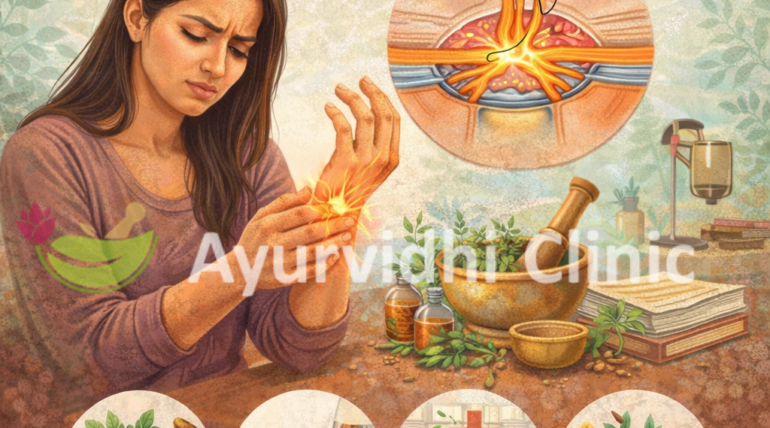
“Carpal Tunnel Syndrome illustration showing wrist nerve compression and Ayurvedic & Panchakarma treatment approach including herbal remedies, oil therapies, Panchakarma, and lifestyle modifications at Ayurvidhi Clinic.”

Carpal Tunnel Relief the Ayurvedic Way: Natural & Panchakarma Treatment for Lasting Results

Carpal Tunnel Syndrome: Ayurvedic & Panchakarma Treatment for Natural & Long Relief

Carpal Tunnel Syndrome (CTS) is a common condition that causes pain, numbness, and tingling in the hand and wrist. It is increasingly seen in people who work long hours on computers, use mobile phones excessively, or perform repetitive hand movements. If left untreated, CTS can lead to weakness and difficulty in daily activities.

While modern medicine often recommends painkillers, wrist braces, steroid injections, or surgery, Ayurveda offers a natural, holistic, and safe approach by treating the root cause and strengthening nerves and tissues.

Experiencing hand numbness or wrist pain? Book an Ayurvedic consultation today.@https://ayurvidhiclinic.com/contact-us/


What is Carpal Tunnel Syndrome According to Ayurveda?

In Ayurveda, Carpal Tunnel Syndrome can be correlated with Vaata Vyadhi involving Snayu (ligaments), Majja Naadi (nerves), and Majja Dhatu.

Aggravated Vaata Dosha, often combined with Kapha obstruction, leads to compression of nerves and impaired circulation in the wrist area.

Common Ayurvedic causes include:

  • Repetitive hand and wrist movements

  • Excessive computer or mobile use

  • Poor posture

  • Weak digestion (Agni)

  • Dryness and degeneration of tissues

  • Stress and overuse

 Identify your dosha imbalance with a personalized Ayurvedic assessment.


Common Symptoms of Carpal Tunnel Syndrome

  • Numbness or tingling in fingers (especially thumb, index, and middle fingers)

  • Wrist and hand pain

  • Weak grip strength

  • Burning sensation in the palm

  • Night-time pain or numbness

  • Difficulty holding objects

Early treatment prevents permanent nerve damage.

 Do not ignore early signs—Ayurvedic care works best when started early.


Ayurvedic Treatment for Carpal Tunnel Syndrome

Ayurveda aims to balance Vaata, reduce inflammation, and nourish nerves and joints.

🔹 Herbal Medicines

“Ayurvedic medicine with herbal tea, turmeric, honey, ginger, cinnamon, medicinal herbs, and tablets representing natural healing at Ayurvidhi Clinic.”
“Ayurvedic medicine focuses on holistic healing using natural herbs, medicinal teas, and time-tested formulations. At Ayurvidhi Clinic, we offer personalized Ayurvedic treatments to restore balance, boost immunity, and promote long-term wellness naturally.”

Ayurvedic medicine treatment at Ayurvidhi Clinic focuses on restoring balance in the body through time-tested formulations prepared from high-quality, authentic medicinal plants. These medicines are prescribed in various forms such as churna (powders), vati (tablets), kwath (decoctions), asava-arishta (fermented liquids), Ghruta (medicated ghee), and tail (medicated oils), carefully selected according to the patient’s prakriti (body constitution), dosha imbalance, and stage of disease. Ayurvidhi Clinic’s USP lies in personalized treatment protocols, the use of pure, clinically trusted Ayurvedic medicines, and precise herbal combinations that improve absorption and deliver long-term results. With a strong emphasis on ethical Ayurvedic practice, holistic patient care, diet and lifestyle guidance, and regular follow-ups, Ayurvidhi Clinic ensures safe, natural, and sustainable healing by treating not just symptoms but the root cause of disease, supporting overall health and wellness naturally.

Commonly used Ayurvedic herbs include: Ashwagandha, Rasna, Nirgundi, Shallaki, Bala, Guggul formulations

These medicines:
✔ Reduce pain and swelling
✔ Improve nerve function
✔ Strengthen muscles and ligaments
✔ Prevent recurrence

Get customized Ayurvedic medicines prepared under Vaidya guidance.@https://ayurvidhiclinic.com/services/


Role of Panchakarma in Carpal Tunnel Syndrome

Panchakarma therapies help detoxify and rejuvenate affected tissues.

Abhyanga (Medicated Oil Massage)

Ayurvidhi Clinic image showing Abhyanga Ayurvedic body massage with warm herbal oil poured on the body, promoting relaxation, detoxification, and holistic wellness.
The image shows a therapist gently pouring warm herbal oil onto the body of a person during an Abhyanga Ayurvedic massage session. The client is lying comfortably, symbolizing relaxation and healing. The soft lighting and natural tones reflect calmness and rejuvenation. The text “Abhyanga – Ayurvedic Body Massage” with the Ayurvidhi Clinic logo highlights the therapeutic benefits of traditional oil massage for detoxification, stress relief, and holistic wellness.

Relieves stiffness and improves circulation.

Swedana (Herbal Steam Therapy)

Ayurvidhi Clinic image showing Swedana Ayurvedic steam therapy, with herbal steam applied to the back for detoxification, pain relief, and dosha balance.
Swedana Ayurvedic Steam Therapy helps eliminate toxins, relieve stiffness, and improve circulation. At Ayurvidhi Clinic, this traditional therapy is used to support joint health, muscle relaxation, detoxification, and enhanced results of Panchakarma treatments.

Reduces pain and opens blocked channels. Swedana therapies like Pottali Swedana, Shashtik Shali Swedana, Patra Pottali Swedana are more beneficial. @https://ayurvidhiclinic.com/panchakarma/

Lepa (Herbal Paste Application)

“Lepam Therapy being performed with herbal paste application as an Ayurvedic Panchakarma treatment for pain relief and inflammation management at Ayurvidhi Clinic.”
“Lepam Therapy is an effective Ayurvedic treatment involving the external application of medicated herbal paste to reduce pain, inflammation, swelling, and muscle stiffness. At Ayurvidhi Clinic, Lepam Therapy is customized to balance doshas and support natural healing.”

Local relief from pain and inflammation.

Basti (Medicated Enema Therapy)

“Basti therapy being administered as an Ayurvedic Panchakarma treatment for digestive, urinary, gynecological, and lower back disorders at Ayurvidhi Clinic.”
“Basti Therapy is one of the most powerful Panchakarma treatments in Ayurveda, especially for balancing Vata dosha. At Ayurvidhi Clinic, Basti is used for detoxification, nourishment, and effective management of digestive disorders, lower back pain, sciatica, urinary issues, and gynecological conditions.”

Balances Vaata at its root and strengthens nerves.

Nasya

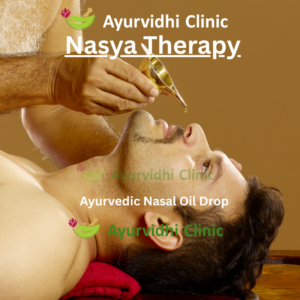
“Nasya therapy being performed with Ayurvedic nasal oil drops for sinus, migraine, and respiratory relief at Ayurvidhi Clinic.”
“Nasya Therapy is a classical Ayurvedic treatment where medicated oils are administered through the nose to cleanse the head region. At Ayurvidhi Clinic, Nasya helps relieve sinusitis, migraine, allergies, headaches, and improves respiratory and neurological health naturally.”

Helpful when symptoms are associated with neck or nerve involvement.

 Ask about our specialized Panchakarma program for hand and nerve disorders.@https://ayurvidhiclinic.com/panchakarma/


Diet & Lifestyle Guidelines for CTS

Recommended:

  • Warm, nourishing meals

  • Ghee and healthy oils

  • Green leafy vegetables

  • Adequate hydration

  • Gentle hand exercises and yoga

Avoid:

  • Excessive typing without breaks

  • Cold exposure

  • Dry, processed foods

  • Late-night work

Get a personalized Ayurvedic diet and lifestyle plan for nerve health.


Why Choose Ayurveda for Carpal Tunnel Syndrome?

✔ Natural and safe
✔ No steroid dependency
✔ Treats root cause
✔ Strengthens nerves and tissues
✔ Long-term relief
✔ Prevents surgery in many cases

Ayurveda restores balance and function—not just symptom control.


🏥 Our Clinic’s Approach to Carpal Tunnel Care

At our Ayurvidhi Ayurvedic clinic, we provide:

  • Detailed dosha and nerve assessment

  • Customized treatment plans

  • Authentic Panchakarma therapies

  • Vaidya-prepared herbal medicines

  • Post-treatment rehabilitation guidance

Book your Ayurvedic consultation today and regain pain-free hand movement.@https://ayurvidhiclinic.com/contact-us/


Restore Hand Strength Naturally

Carpal Tunnel Syndrome can be managed effectively with timely Ayurvedic treatment and Panchakarma. Early care ensures faster recovery and long-lasting results.

📞 Call now to schedule your appointment @https://ayurvidhiclinic.com/contact-us/
📍 Visit our clinic for holistic nerve and joint care @https://www.google.com/maps/place/Ayurvidhi+Clinic/@18.613671,73.911719,14z/data=!4m6!3m5!1s0x3bc2c7990322abff:0xc5de21061f105a92!8m2!3d18.6136707!4d73.9117195!16s%2Fg%2F11j32wcd1_?hl=en&entry=ttu&g_ep=EgoyMDI1MTIwOS4wIKXMDSoASAFQAw%3D%3D

Read More