
The Ultimate Guide to Panchakarma Treatment: A 3 Step guide to Detoxify Your Body

You all know panchakarma therapies. Let’s revise it again Vamana, Virechana, Basti, Nasya & Raktamokshana are the five karma therapies known as Panchakarma. Its merits, demerits, indications & contraindications will be discussed in another blog. In this blog will see how they are planned in three simple steps to give you maximum benefits.

Before jumping the world of panchakarma therapies one should how it is been scheduled. This will help to understand the nature of procedure and its benefits.

For an e.g. while preparing a meal or any dish we do pre-cooking, cooking & post-cooking cleaning, the same thing happens with panchakarma therapies, it’s a three-step program designed for every one of the panchakarmas. They are termed as Purva-karma, Pradhana-karma & Paschat-karma.


  • 1) Purva-karma: (Pre-Panchakarma measures or procedures):

Before doing the main procedure one has to under go the pre operative measures.  It’s a simple two types of procedure executed before panchakarma as a preoperative measure. It has two 1) Snehana, and 2) Swedana; both this procedure is carried out for 3 to 7 days as per one Prakriti, Agni, Bala, health condition, age, etc.

A) Snehana: It is oleation therapy done by using oiling agents like ghee & oil. Based on application or introduction it’s been categorized into internal application (Abhyantar Snehana) & external application (Baahya Snehana).

  • Baahya Snehana: It is a procedure of applying oil externally to the body with gentle pressure in such a manner to get absorbed in the body. It is a type of body massage with herbal ayurvedically prepared oils.
  • Abhyantar Snehana: The introduction of oil or ghee in such an amount, that it gets digested easily with increasing dose of it every day up to getting specific results is known as abhyantar snehana. In simple terms, it is the drinking of ghee.

B) Swedana: Making the body sweet by using various types of hot fomentation is known as swedana. It is done by steaming the body with steam of ayurvedic decoction.

What is the necessity of Snehana & Swedana??

Both the procedures (Both types of Snehana & Swedana) are very helpful in loosening up the toxins from the system. This helps them to bring the toxins into the elementary canal or system from where they can be drained out of the body from the nearest exit easily.

Both types of Snehana & Swedana are prescribed before Vamana, Virechana & Raktamokshana. While before Basti & Nasya required only external Snehana & Swedana are done.

2) Pradhana karma:

This is a day therapy program to expel the toxins from the body through the nearest exits they need. These are;

  • Vamana– toxins from the stomach are expelled through the mouth with the help of emesis.
  • Virechana– toxins from below the stomach are expelled out through the anal opening with purgative medicine
  • Basti– toxins present in the colon are expelled by introducing the enema through the anal opening & then it carries all toxins out with it.
  • Nasya– toxins present at the head and organs attached to it are expelled out from the nostrils.
  •  Raktamokshana– toxins present in the blood are expelled with the help of jalauka (leech) or syringes from the skin & veins.


3) Paschat karma or Uttar Karma (Post-operative measures):

After completing any of the main karma from panchakarma postoperative measures are a must. These are simple diet rules designed according to the condition of the body to recover faster without any discomfort.  The diet regulation starts from having just boiled rice water, and then shifts to gruel, after that khichadi then after that to regular roti sabji. This also continues up to 3 to 5 days.

What is the necessity of the Paschat karma??

The paschat karma is adopted to regulate the homeostasis of the body after doing panchakarma. During the first two panchakarma procedures, Agni has to go through various changes that lead to weakening Agni or Agni-Mandya. This diet management helps to restore its ability to normal in a very short time.  This also prevents from getting unnecessary complications after the panchakarma.

Doing the panchakarma in the right way helps to flush out toxins from the body, helps to balance doshas & dhaatus equilibrium, boosts immunity, and builds better health.

At Ayurvidhi Clinic we provide the best panchakarma in an authentic ayurvedic way.
Read More

Constipation and Ayurvedic approach towards it.

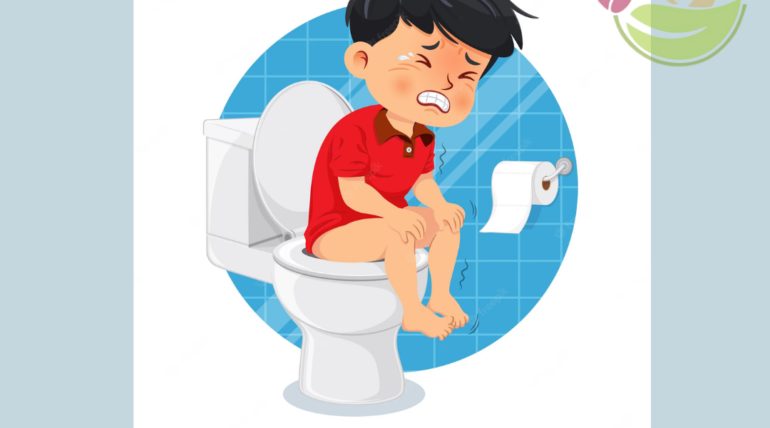
Constipation is a common condition that affects everyone at some point.  It is an inability to clear out the bowel once a day is termed as constipation. It is characterized by restricted bowel movement. It is generally accomplished by strain during defecation and hard stool. In Ayurveda we termed it as Mala-badhata or Mala-graha.

It is generally common to have a few occasional episodes of constipation but long term it can cause chronic constipation.

General Causes for constipation:

  • Eating inadequate amount of food
  • Irregular eating habits
  • Lack of exercise
  • Poor digestive system or Gut issues
  • Inadequate amount of water intake
  • Eating a little amount of good fats like Ghee or oil in food
  • Eating dry or stale food
  • Eating too much preserved food etc.
  • Old age

Complication:

The common symptoms of constipation if neglected then it can lead to severe complications like,

  • Plies or fissures
  • Insomnia
  • Headache
  • Pain or cramps in lower limbs especially in the thighs
  • Rectal Bleeding

Treatment:

Ayurveda always focuses on treating root causes rather than just treating the symptoms. At Ayurvidhi Clinic we follow the same principle while treating any kind of illness. Changes in diet and lifestyle help to treat constipation.

Diet Changes:

  • Adding a certain amount of ghee to a regular diet helps to lubricate the intestine and clear the bowel of those who have complaints of hard stool.
  • Including fruits like figs, black-seeded raisins, and papaya can help.
  • Avoiding maida as much as you can and adding whole wheat flour to your diet can help to increase fiber, which helps to overcome constipation.
  • Eat at regular intervals of time making it a complete wholesome food.

Ayurvedic Medicine Treatment or Shaman Chikitsa for constipation:

  • Triphala Churna about three grams at night with lukewarm water can be better for people having Kapha dominancy.
  • Castor Oil about 1 to 2 tablespoons (according to your gut health) with lukewarm water can help people of vaata dominancy.
  • For Pitta dominancy and having complaints of acidity along with constipation Avipattikar Churna 3 gram with warm water can be beneficial.

Panchakarma Therapy:

Basti:

Basti Chikitsa is usually recommended for improving gut health & clearing the rectum effectively. It not only clears the rectum and flux out the toxins, but it lubricates the inner layer of the rectum and prevents further episodes of constipation.  The Basti lower the vitiated vaata doshas which is one of the main causes for Constipation.

At Ayurvidhi clinic we practice basti treatment to elevate the vaata dosha. We use Niruha Basti (Kadha Basti) and Anuvasana Basti (Tail Basti) alternately to pacify vaata doshas, as a result, reduce the chances of constipation.

Basti Chikitsa is also useful in constipation during pregnancy. It is safe to use and has no any kind of side-effect. It helps to flush out the constipated excreta part and also helps to strengthen the muscles for delivery.

Virechana:

It is advised for patients having severe constipation.  It is a purgation medicine that helps to remove severe adherent toxins or waste material from the colon. It is beneficial for pitta doshas.

It is generally advised to do in Sharad Rhutu (Autumn) as a healthy ritual to do every year to detoxify the body from the ill effects of Pitta imbalance secreted in the body throughout the year.

At Ayurvidhi Clinic Ayurvedic Panchakarma Treatment Centre we provide the best Ayurvedic treatment and panchakarma therapy.

Exercise:

Do try to do simple exercises to get rid of the constipation naturally.

Suryanamaskar: Doing regular Suryanamaskar helps to stretch the muscles of the abdomen and squeezes internal organs with the right amount of pressure to secrete gastric enzymes to help digestion which also helps bowel movements easily.

Some asanas like Pawan Muktaasan, Padangusthasan, Malasana, Vajrasana, etc. can help treat constipation.

If you are young or you don’t have any knee pain then slow running is the best option for exercise. 10 to 20 minutes of healthy run also keeps your metabolism on track.

As long as you have a good balanced diet with daily moderate exercise along with a good sleep schedule you will be far from constipation.

At Ayurvidhi Clinic Ayurvedic Panchakarma Treatment Centre we provide the best Ayurvedic & Panchakarma treatment for constipation and other gastric problems.

Read More
  • 1
  • 2