
Diabetes Ayurvedic Treatment — Holistic Management Through Ayurveda & Panchakarma
Introduction
Diabetes has become one of the most common lifestyle disorders affecting millions of people in India. Many patients experience persistent symptoms such as frequent urination, excessive thirst, fatigue, weight fluctuations, and difficulty maintaining stable blood sugar levels. Along with physical discomfort, diabetes can also cause emotional stress and long-term health concerns.
Diabetes Ayurvedic Treatment focuses on understanding the root cause of metabolic imbalance and restoring harmony in the body rather than only controlling blood sugar numbers. Ayurveda describes diabetes under a broad group of disorders called Prameha, with Madhumeha being the condition that closely resembles modern diabetes mellitus.
From an Ayurvedic perspective, the goal is to improve digestion (Agni), remove accumulated toxins (Ama), balance Doshas, and strengthen metabolic tissues. Through personalized medicines, Panchakarma therapies, diet correction, and lifestyle modification, Ayurveda supports sustainable and holistic management of diabetes.
If managed early and carefully, many patients experience better metabolic stability, improved energy levels, and overall well-being.
Ayurvedic Understanding of Diabetes (Madhumeha)
In classical Ayurvedic texts such as Charaka Samhita, Sushruta Samhita, and Ashtanga Hridaya, diabetes is described within the group of Prameha disorders, which involve abnormal metabolism and urinary disturbances.
Dosha Involvement
Diabetes involves complex interaction between all three Doshas:
-
Kapha Dosha — primary role in early metabolic imbalance, obesity, sluggish metabolism
-
Pitta Dosha — contributes to metabolic disturbances and tissue damage
-
Vata Dosha — dominates in advanced stages, causing tissue depletion and weakness
Most early cases show Kapha predominance, while chronic diabetes often shows Vata dominance.
Role of Agni and Ama
According to Ayurveda, healthy metabolism depends on a strong Agni (digestive and metabolic fire).
When Agni becomes weak due to improper diet and lifestyle:
-
Food is not properly digested
-
Toxic metabolic by-products called Ama accumulate
-
Ama blocks body channels (Srotas)
-
Tissue metabolism becomes disturbed
This ultimately leads to metabolic disorders like Madhumeha (diabetes).
Common Causes According to Ayurveda
Ayurvedic texts describe several lifestyle and dietary factors responsible for Prameha.
Dietary Causes
-
Excess intake of sweets and refined sugar
-
Heavy, oily, and fried foods
-
Excess dairy products and sweets
-
Frequent consumption of processed foods
-
Overeating and irregular eating habits
Lifestyle Causes
-
Sedentary lifestyle
-
Lack of physical activity
-
Excess daytime sleeping
-
Obesity or metabolic syndrome
-
Irregular daily routine
Mental and Stress Factors
Mental health also influences metabolic diseases.
-
Chronic stress
-
Anxiety and emotional imbalance
-
Poor sleep patterns
-
Work-related lifestyle pressure
These factors disturb hormonal balance and aggravate metabolic dysfunction.
Symptoms Explained in Simple Language
Common symptoms of diabetes include:
-
Frequent urination
-
Excessive thirst
-
Increased hunger
-
Fatigue and weakness
-
Slow wound healing
-
Blurred vision
-
Unexplained weight changes
-
Burning sensation in palms and soles
Some people may remain asymptomatic for a long time, which is why regular health checkups are important.
Ayurvedic Line of Treatment
Diabetes Ayurvedic Treatment focuses on correcting metabolism, strengthening tissues, and preventing complications.
Treatment is individualized based on:
-
Patient’s constitution (Prakriti)
-
Stage of disease (Vikriti)
-
Body weight
-
Digestive strength
-
Associated conditions such as obesity or hypertension
The main therapeutic principles include:
-
Improving Agni
-
Removing Ama
-
Balancing Doshas
-
Regulating metabolism
-
Strengthening tissues
Shodhana Therapy (Detoxification)
In suitable patients, detoxification therapies may be recommended.
These therapies help remove accumulated toxins and restore metabolic balance.
Possible procedures include:
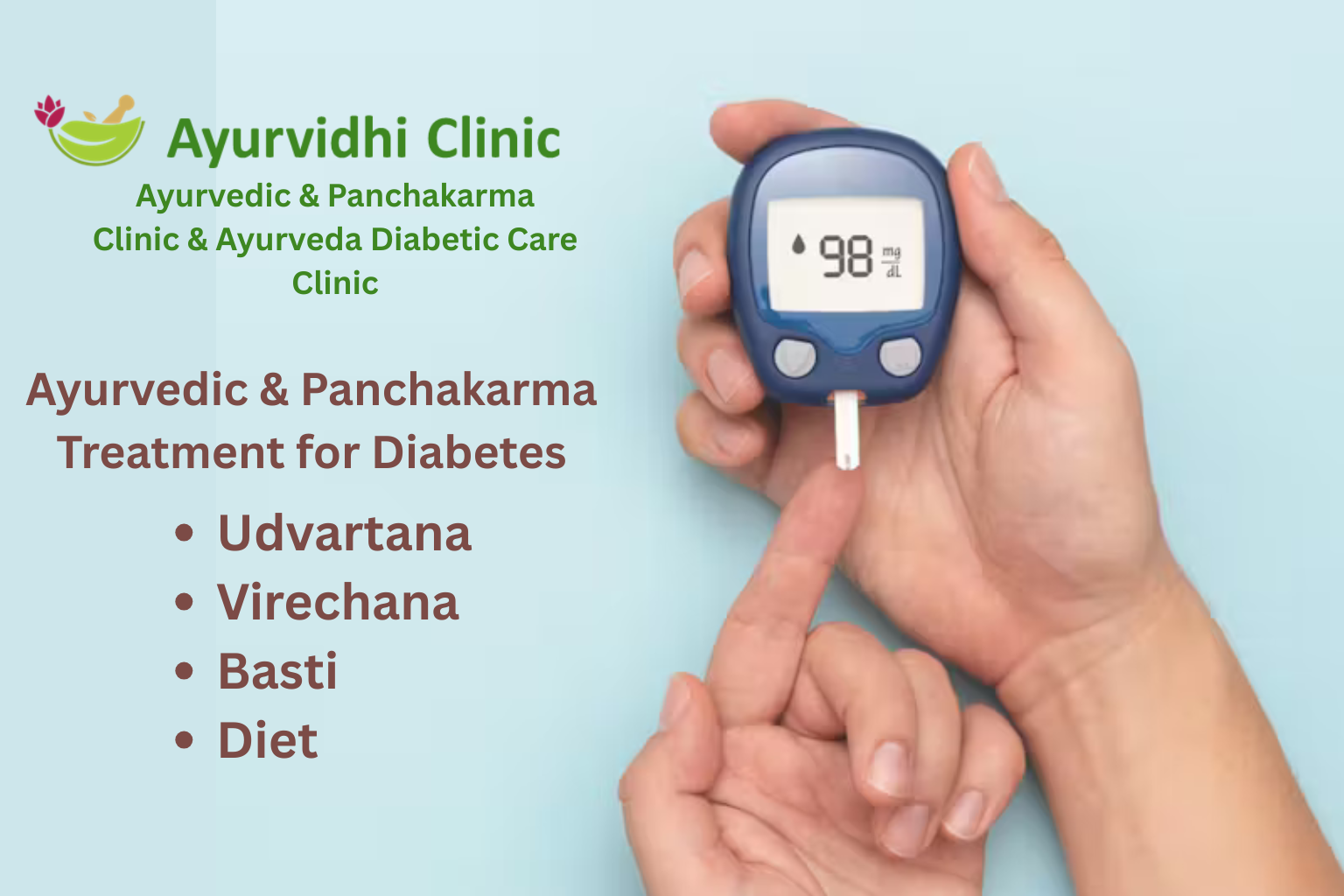
Virechana (Therapeutic Purgation)
-
Eliminates excess Pitta and Kapha
-
Improves liver and metabolic function
-
Helps regulate digestion
Basti (Medicated Enema)
-
Especially beneficial in chronic diabetes with Vata dominance
-
Supports metabolic balance and tissue nourishment
These therapies are always performed under medical supervision.
Shamana Therapy (Balancing Treatment)
After detoxification or when detox is not required, Ayurvedic medicines are prescribed to stabilize metabolism.
These may include classical formulations known for:
-
Supporting pancreatic function
-
Improving glucose metabolism
-
Enhancing insulin sensitivity
-
Reducing inflammation
-
Strengthening body tissues
Herbal medicines are always selected based on individual constitution and clinical assessment.
Self-medication should be avoided.
Role of Panchakarma in Diabetes Management
Panchakarma therapies can be supportive in managing metabolic disorders.
Commonly recommended therapies include:
-
Udwartana (herbal powder massage) — helpful in obesity-related diabetes
-
Abhyanga (medicated oil massage) — improves circulation and reduces stress
-
Swedana (therapeutic sweating) — helps remove toxins
-
Basti therapy — regulates metabolism and Vata imbalance
These therapies help improve:
-
Metabolic efficiency
-
Circulation
-
Nervous system balance
-
Stress levels
Diet and Lifestyle Advice (Pathya–Apathya)
Diet plays a crucial role in diabetes management.
Recommended Foods (Pathya)
-
Whole grains such as barley and millet
-
Green leafy vegetables
-
Bitter vegetables like bitter gourd and fenugreek
-
Bottle gourd and ridge gourd
-
High-fiber foods
-
Light and freshly cooked meals
Foods to Avoid (Apathya)
-
Refined sugar and sweets
-
Deep-fried foods
-
Excess dairy and heavy foods
-
Packaged and processed foods
-
Cold drinks and sugary beverages
Lifestyle Recommendations
-
Daily physical activity such as walking or yoga
-
Maintain healthy body weight
-
Regular sleep schedule
-
Stress management practices
-
Avoid prolonged sitting
Small but consistent lifestyle changes significantly improve metabolic health.
Expected Results and Healing Timeline
Ayurvedic treatment aims for gradual metabolic correction rather than instant results.
Patients may experience:
-
Improved digestion
-
Better energy levels
-
Stable blood sugar trends
-
Reduced fatigue
-
Improved overall health
Results depend on several factors:
-
Duration of diabetes
-
Patient’s lifestyle compliance
-
Body constitution
-
Associated medical conditions
Regular monitoring of blood sugar levels is essential during treatment.
Why Ayurvedic Treatment Is Different
Holistic Approach
Ayurveda addresses digestion, metabolism, lifestyle, and mental health simultaneously.
Personalized Treatment
Every patient receives a treatment plan based on:
-
Prakriti (constitution)
-
Dosha imbalance
-
Lifestyle habits
-
Digestive strength
Focus on Long-Term Health
Rather than only managing symptoms, Ayurveda aims to support overall metabolic stability and prevent complications.
When to Consult an Ayurvedic Doctor
You should seek professional guidance if:
-
Blood sugar levels are consistently high
-
You are newly diagnosed with diabetes
-
You experience fatigue or metabolic imbalance
-
Lifestyle changes alone are not helping
-
You wish to explore supportive Ayurvedic management
Early intervention can help prevent complications and improve quality of life.
Conclusion
Diabetes is a complex metabolic condition that requires long-term care and lifestyle awareness. Ayurveda offers a time-tested, holistic approach that focuses on restoring metabolic balance, strengthening digestion, and improving overall health.
Diabetes Ayurvedic Treatment combines classical herbal medicines, Panchakarma therapies, and personalized diet and lifestyle guidance to support sustainable health.
While outcomes vary for each individual, many patients benefit from improved metabolic stability and enhanced well-being through disciplined Ayurvedic care.
Call to Action
If you are looking for a natural and holistic approach to managing diabetes, consulting a qualified Ayurvedic physician can help you understand your body and treatment options better.
🌿 A personalized Ayurvedic treatment plan can support better metabolic balance and long-term health.
Book a consultation with an experienced Ayurvedic doctor to explore safe and individualized diabetes management.