


Uterine Health the Ayurvedic Way
Introduction
Uterine health is not just about menstruation or fertility—it is deeply connected to a woman’s overall physical strength, hormonal balance, emotional stability, and long-term wellness. Many women silently struggle with problems like irregular periods, painful menstruation, white discharge, fibroids, bulky uterus, PCOD, recurrent infections, or unexplained infertility. Often, these issues are managed symptom-by-symptom without addressing the root cause, leading to repeated discomfort and frustration.
Ayurveda offers a holistic and time-tested approach to uterine health, focusing on balance, nourishment, detoxification, and long-term stability rather than quick suppression of symptoms. Understanding uterine health through Ayurveda helps women reconnect with their bodies and restore natural harmony.
Ayurvedic Understanding of Uterine Health
In Ayurveda, the uterus is referred to as Garbhashaya—the sacred space responsible for menstruation, conception, and nurturing life. Healthy uterine function depends on the balanced state of Doshas, proper digestive fire (Agni), absence of toxins (Ama), and unobstructed channels (Srotas).
Dosha Involvement
-
Vaata Dosha
Governs movement and flow. When imbalanced, it can cause:-
Irregular or scanty periods
-
Painful menstruation
-
Dryness and spasms in the pelvic region
-
-
Pitta Dosha
Governs heat and metabolism. Its imbalance may lead to:-
Heavy bleeding
-
Burning sensation
-
Inflammation, infections, or fibroids
-
-
Kapha Dosha
Governs structure and growth. Excess Kapha can result in:-
Cysts, fibroids, bulky uterus
-
White discharge
-
Sluggish uterine metabolism
-
Role of Agni & Ama
-
Agni (digestive and metabolic fire) must be balanced to ensure proper tissue nourishment (Dhatu Poshana).
-
Weak Agni leads to Aama (toxic metabolic waste), which accumulates in the reproductive channels and disrupts uterine function.
-
Over time, Aama blocks Artavavaha Srotas (channels carrying menstrual blood), giving rise to chronic gynecological disorders.
Common Causes of Poor Uterine Health According to Ayurveda
Dietary Factors
-
Excess intake of:
-
Cold, processed, packaged foods
-
Refined sugar and bakery items
-
Excessively spicy or oily foods
-
-
Irregular eating habits and late meals
-
Frequent dieting without medical guidance
Lifestyle Factors
-
Sedentary lifestyle or excessive physical strain
-
Night-shift work or poor sleep routine
-
Suppressing natural urges (especially urine and bowel movements)
-
Excessive use of hormonal medications without addressing root imbalance
Mental & Emotional Factors
Ayurveda recognizes the strong connection between the uterus and emotions.
-
Chronic stress, anxiety, or grief
-
Emotional suppression
-
Long-term mental exhaustion
These factors aggravate Vaata and Pitta, directly impacting menstrual and uterine health.
Symptoms of Uterine Imbalance Explained Simply
Common signs that indicate disturbed uterine health include:
-
Irregular, painful, or heavy periods
-
White or yellow vaginal discharge
-
Lower abdominal or back pain
-
Frequent urinary or vaginal infections
-
Difficulty conceiving
-
Fatigue, irritability, or mood swings during cycles
These symptoms are signals that the body is asking for balance—not suppression.
Ayurvedic Line of Treatment for Uterine Health
Ayurvedic treatment is always individualized, based on Prakriti (body constitution) and Vikruti (current imbalance).
Shodhana (Detoxification – When Indicated)
Shodhana therapies are advised only after proper assessment.
-
Helps eliminate deep-seated Aama
-
Clears blocked reproductive channels
-
Restores Dosha balance
Commonly indicated Panchakarma therapies may include:
-
Virechana (therapeutic purgation) for Pitta disorders
-
Basti (medicated enema) especially for Vaata-related uterine issues
-
Uttar Basti
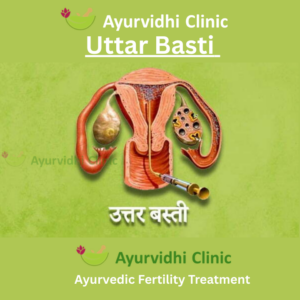
in selected gynecological conditions under strict medical supervision
- For more information on Panchakarma i.e. Shodhana treatment follow the link@https://ayurvidhiclinic.com/panchakarma/
Shamana (Balancing & Nourishing Therapies)
-
Herbal formulations to regulate cycles
-
Uterine tonics for strengthening Garbhashaya
-
Medicines to improve Agni and hormonal balance
Role of Panchakarma in Uterine Health
Panchakarma for uterine health is not a one-size-fits-all solution. When clinically indicated, it helps:
-
Detoxify reproductive organs
-
Improve blood circulation in the pelvic region
-
Enhance fertility and menstrual regularity
-
Support long-term healing in chronic uterine disorders
Diet & Lifestyle Advice (Pathya-Apathya)
Recommended (Pathya)
-
Warm, freshly cooked meals
-
Ghee in moderation
-
Seasonal fruits and vegetables
-
Adequate hydration with warm water
-
Regular meal timings
To Avoid (Apathya)
-
Cold drinks and ice-cold foods
-
Excess sugar and junk food
-
Skipping meals
-
Overexertion during menstruation
Lifestyle Support
-
Gentle yoga and pranayama
-
Adequate sleep
-
Stress-management practices like meditation
-
Respecting the body’s natural menstrual rhythm
Expected Results & Healing Timeline
Ayurveda works on root-cause correction, not instant symptom relief.
-
Initial improvement may be seen in digestion and energy
-
Menstrual regulation happens gradually
-
Structural conditions take longer and need patience
Healing depends on:
-
Individual constitution
-
Chronicity of the condition
-
Diet and lifestyle compliance
Consistency and proper medical guidance are key.
Why Ayurvedic Treatment for Uterine Health Is Different
-
Holistic Approach
Treats body, mind, digestion, and lifestyle together -
Personalized Care
No two women receive the same treatment plan -
Long-Term Focus
Aims to restore natural balance and prevent recurrence
Ayurveda doesn’t just manage uterine problems—it strengthens the entire reproductive system.
When to Consult an Ayurvedic Doctor
You should consider Ayurvedic consultation if you experience:
-
Persistent menstrual irregularities
-
Chronic white discharge or infections
-
Painful or heavy periods
-
Difficulty conceiving
-
Recurrent gynecological complaints despite treatment
Early intervention prevents long-term complications. For Uterine Health and other problems related to Female Gynecological Issues contact us @https://ayurvidhiclinic.com/contact-us/
Conclusion
Uterine health through Ayurveda is about balance, awareness, and sustainable healing. By understanding the body’s signals and addressing root imbalances, women can experience improved menstrual health, emotional stability, and overall vitality. Ayurveda empowers women to take charge of their health naturally and responsibly.
Ayurvedic treatment outcomes vary from person to person and should always be undertaken under the guidance of a qualified Ayurvedic physician.
Call to Action
If you are facing ongoing uterine or menstrual concerns, consider consulting an experienced Ayurvedic doctor for a personalized evaluation. With the right guidance, diet, and therapy, long-term uterine health can be restored naturally.
🌿 Your body has the wisdom to heal—Ayurveda helps you listen to it.



Recent Comments