
Freedom from Pain: Ayurvedic and Panchakarma Therapy for Sciatica (Gridhrasi)

Sciatica, known as Gridhrasi in Ayurveda, is one of the most common and distressing conditions affecting the lower back and legs. It is characterized by pain radiating from the lower back down through the hips and along the path of the sciatic nerve, often accompanied by tingling, numbness, or weakness in the affected leg.

In today’s modern lifestyle — with long sitting hours, lack of physical activity, and improper posture — Sciatica has become increasingly prevalent. Ayurveda offers a safe, holistic, and long-lasting approach to manage this painful disorder without side effects.


📖 Understanding Sciatica in Ayurveda

In Ayurvedic texts, Sciatica is described as “Gridhrasi”, derived from the word Gridhra (vulture), symbolizing the patient’s gait — resembling a vulture due to the difficulty in walking and bending caused by pain.

According to Ayurveda, vitiation of Vata dosha, and in some cases Kapha dosha, is the primary cause. When aggravated, Vata obstructs the pathways of the lower body nerves, muscles, and joints, leading to pain, stiffness, and tingling sensations.


⚡ Causes of Sciatica (Gridhrasi)

  • Vaata aggravating factors:
    • Irregular meals, fasting, excessive walking, or sitting

    • Cold exposure or staying in air-conditioned environments

    • Inadequate sleep and excessive physical strain

    • Emotional stress or anxiety

    • Injury or trauma to the spine

  • Structural causes:
    • Lumbar disc herniation or degeneration

    • Spinal canal narrowing (spinal stenosis)

    • Muscle spasms, especially of the piriformis muscle

    • Poor posture or prolonged sitting

  • Lifestyle causes:
    • Lack of exercise or physical movement

    • Obesity and weak core muscles

    • Improper lifting of heavy objects


⚠️ Symptoms of Sciatica (Gridhrasi)

  • Sharp, shooting pain radiating from the lower back to the legs

  • Numbness, tingling, or burning sensation in the affected limb

  • Weakness in one leg or foot

  • Difficulty in standing, walking, or bending forward

  • Stiffness and pain aggravated by sitting for long periods

Ayurveda describes two types of Gridhrasi:
  • Vataja Gridhrasi

  • Vata-Kaphaja Gridhrasi


🌿 Ayurvedic Line of Treatment for Sciatica

The Ayurvedic treatment aims to:

  1. Balance Vaata and Kapha doshas

  2. Relieve pain and stiffness

  3. Nourish nerves and muscles

  4. Strengthen the spine and prevent recurrence

1. Internal Herbal Medicines (Aushadhi Chikitsa)

Ayu


rvedic formulations used under expert supervision include:

  • Dashmool-  Anti-inflammatory and Vata balancing

  • Rasna – Relieves pain and stiffness

  • Guggul – Detoxifying and anti-arthritic, Strengthens nerves and relieves inflammation

  • Eranda (Castor oil) – Improves strength and reduces pain


2. Panchakarma Treatment for Sciatica

Panchakarma plays a crucial role in the management of Sciatica by detoxifying the body, balancing doshas, and rejuvenating the spine and nerves.

🪔 1. Snehan (Medicated Oil Massage)
  • Full body massage using Sesame Taila,

  • Reduces dryness, improves circulation, and soothes irritated nerves

🌿 2. Swedana (Steam Therapy)
  • Steam fomentation after massage helps reduce stiffness and muscle spasm

💧 3. Kati Basti (Localized Oil Retention)
  • Warm medicated oil is retained over the lower back for 20–30 minutes

  • Relieves nerve compression, strengthens spinal muscles, and provides deep pain relief

💦 4. Basti (Medicated Enema Therapy)
  • Considered the most effective therapy for Vata disorders like Sciatica

  • Uses Anuvasana Basti (oil-based) and Niruha Basti (decoction-based) in combination

  • Detoxifies colon, balances Vata, and reduces nerve irritation

🌾 5. Pizhichil & Patra Pinda Sweda
  • Warm medicated oil poured over the body followed by herbal bolus massage

  • Improves mobility, relieves stiffness, and rejuvenates nerves

6. Raktamokshana – blood letting
  • Removes impure blood
  • Relives Pain instant
7. Agni & Viddha Karma
  • Relives instant pain with relief in muscular tension and spasm

🍃 Dietary & Lifestyle Advice
Diet (Aahaara)
  • Favor: Warm, freshly cooked, light meals

  • Include: Ghee, milk, soups, green vegetables, nuts, sesame, and flax seeds

  • Avoid: Cold, dry, and processed foods, caffeine, carbonated drinks, and excessive spicy food

Lifestyle (Vihaara)
  • Practice gentle yoga postures like Bhujangasana, Shalabhasana, Tadasana, and Pawanmuktasana

  • Avoid prolonged sitting or standing

  • Maintain proper posture

  • Keep the lower back warm and supported

  • Regular oil massage with warm sesame


🌼 Benefits of Ayurvedic & Panchakarma Treatment

✅ Natural and long-lasting relief from pain and stiffness
✅ Balances Vaata dosha – the root cause of Sciatica
✅ Detoxifies and rejuvenates the body
✅ Strengthens spine, muscles, and nerves
✅ Prevents recurrence of symptoms
✅ No side effects – completely natural and safe

 Conclusion

Sciatica can severely affect day-to-day life if not managed properly. Ayurveda offers a comprehensive, root-cause-based treatment through herbal medicines, Panchakarma therapies, diet, and lifestyle corrections.

With regular Ayurvedic care and expert-guided Panchakarma, sciatica pain can be effectively relieved, nerve health restored, and overall vitality improved — naturally and safely.

🌿 “Balance Vaata, strengthen your spine, and walk pain-free — the Ayurvedic way.” 🌿
Read More

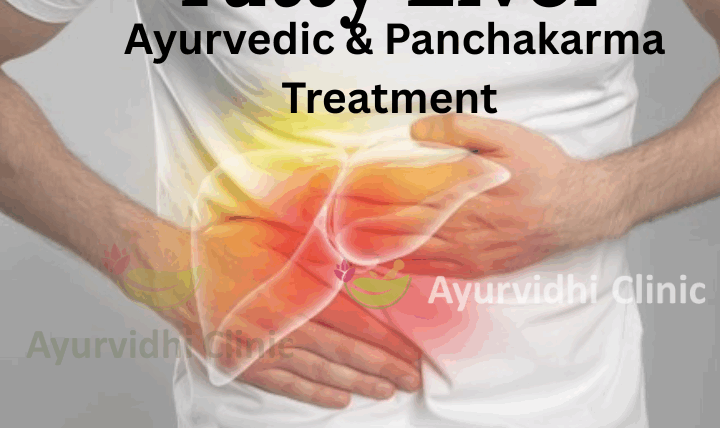
Fatty Liver: Causes, Complications, and Ayurvedic Treatment with Panchakarma and Diet

In today’s modern lifestyle, fatty liver disease has become one of the most common health concerns. Sedentary habits, junk food consumption, stress, and irregular sleep patterns all contribute to its rapid rise. While conventional medicine offers limited symptomatic relief, Ayurveda provides a holistic and long-term solution through natural medicines, Panchakarma therapies, and diet regulations that not only treat the disease but also prevent its recurrence.


 What is Fatty Liver?

Fatty liver, also known as Yakrit vikaar Roga in Ayurveda, is a condition where excess fat accumulates in the liver cells. Normally, the liver contains some fat, but when this fat exceeds 5–10% of its weight, it becomes a health problem.


 Causes of Fatty Liver

  • Excessive alcohol intake

  • Junk, oily, and processed food consumption

  • Obesity and lack of exercise

  • Long-term use of certain medications

  • High cholesterol and diabetes

  • Stress and irregular lifestyle

  • Overeating and weak digestion (Mandagni)


🚨 Complications if Left Untreated

If fatty liver is not managed at the right time, it may progress into more serious conditions:

  • Non-Alcoholic Steatohepatitis (NASH): Inflammation of the liver due to fat buildup

  • Fibrosis: Scarring of liver tissues

  • Cirrhosis: Permanent liver damage affecting liver function

  • Liver Failure or Cancer: In rare advanced cases

  • Increased risk of heart disease and metabolic syndrome


🌱 Ayurvedic Perspective of Fatty Liver

In Ayurveda, the liver (Yakrit) is the main seat of Pitta dosha. Due to improper diet and lifestyle, Kapha and Meda (fat tissue) accumulate in the liver, disturbing Pitta and leading to fatty degeneration. Weak digestive fire (Mandagni) further contributes to the accumulation of Ama (toxins), aggravating the disease.


🌼 Ayurvedic Treatment for Fatty Liver

1. Herbal Medicines

Ayurveda offers herbs that act as natural liver tonics, rejuvenators, and detoxifiers:

  • Bhumyamalaki (Phyllanthus niruri): Protects liver cells and improves regeneration

  • Kutki (Picrorhiza kurroa): Best liver detox herb, enhances bile flow

  • Kalmegh (Andrographis paniculata): Reduces inflammation and supports liver function

  • Triphala: Improves digestion, clears toxins

  • Punarnava (Boerhavia diffusa): Reduces swelling and supports metabolism

  • Turmeric (Haridra): Natural antioxidant and anti-inflammatory

2. Panchakarma Management

Panchakarma is the most effective Ayurvedic detox therapy for fatty liver as it eliminates toxins and balances doshas. Beneficial therapies include:

  • Virechana (Therapeutic Purgation): Clears excess Pitta and fat from the liver, improves digestion.

  • Basti (Medicated Enema): Corrects metabolism and balances Vata.

  • Abhyanga (Herbal Oil Massage): Improves circulation and reduces stress-related imbalances.

  • Swedana (Steam Therapy): Helps eliminate deep-rooted toxins.


🍎 Ayurvedic Diet Recommendations for Fatty Liver

Foods to Include (Pathya):
  • Fresh fruits like papaya, apple, pomegranate, Aamla

  • Vegetables: bottle gourd, ridge gourd, pumpkin, spinach, bitter gourd, drumstick, beans are seen beneficial in it

  • Whole grains: barley, millets, brown rice

  • Herbal teas with ginger, cumin, coriander, fennel

  • Warm water to support digestion

Foods to Avoid (Apathya):
  • Fried, oily, spicy, and junk food

  • Processed foods and refined sugar

  • Excessive dairy products (butter, cheese, cream)

  • Alcohol and carbonated drinks

  • Heavy red meat


🧘 Lifestyle Recommendations

  • Practice yoga asanas like Suryanamaskar, Bhujangasana, Dhanurasana, and Ardha Matsyendrasana for liver health

  • Daily pranayama like Kapalbhati and Anulom-Vilom to improve metabolism

  • Maintain proper sleep routine

  • Engage in brisk walking and light exercise


🌿 Why Ayurvedic Treatment is Best for Fatty Liver Management

Unlike conventional treatment, which mainly focuses on controlling symptoms, Ayurveda addresses the root cause of fatty liver by:

  • Correcting Agni (digestive fire) to improve metabolism

  • Eliminating toxins through Panchakarma

  • Restoring liver function naturally with herbs

  • Offering safe, side-effect-free, and long-lasting results

  • Providing holistic healing for body, mind, and spirit


✅ Conclusion

Fatty liver is a lifestyle-related disorder that can be reversed with timely care. Ayurveda, with its combination of herbal medicines, Panchakarma therapies, diet, and lifestyle correction, offers the safest and most effective way to manage fatty liver naturally. By embracing Ayurvedic wisdom, one can restore liver health, improve digestion, and prevent complications in the long run.

“Ayurveda & Panchakarma treatment: The Gentle Yet Powerful Way to Reverse Fatty Liver Naturally.”

Read More

Infertility in Modern Times: An Ayurvedic Perspective

In today’s fast-paced world, infertility has emerged as a growing concern among couples aspiring to become parents. With rising stress levels, unhealthy lifestyles, and environmental factors, the ability to conceive naturally has declined significantly. Ayurveda, the ancient science of life, offers a holistic approach to understanding and treating infertility—addressing not just the body, but also the mind and spirit.

What Is Infertility?

Infertility is typically defined as the inability to conceive after one year of unprotected intercourse. While modern medicine often focuses on hormonal levels, reproductive organs, and medical interventions, Ayurveda delves deeper into the root cause, aiming to restore the balance of doshas (Vata, Pitta, and Kapha) and improve reproductive health naturally.


Common Causes of Infertility (According to Ayurveda & Modern View)

Ayurveda categorizes infertility under “Vandhyatva”. The causes can be both physiological and psychological:

In Women:
  • Hormonal Imbalance (e.g. PCOS/PCOD, thyroid disorders)

  • Irregular Menstrual Cycles

  • Blocked Fallopian Tubes

  • Endometriosis

  • Weak Agni (Digestive Fire) leading to toxin accumulation (Ama)

  • Stress & Anxiety

  • Improper Diet (Viruddha Aahar) and sedentary lifestyle

 In Men:
  • Low Sperm Count or Motility

  • Varicocele

  • Excessive Alcohol, Smoking or Drug Use

  • Chronic Stress or Insomnia

  • Obesity or Poor Nutrition


 Symptoms of Infertility

  • Inability to conceive after regular intercourse

  • Irregular or painful menstruation

  • Erectile dysfunction or premature ejaculation

  • Hormonal acne, unwanted hair growth in women (PCOS symptoms)

  • Frequent miscarriages

  • Emotional disturbances—stress, depression, or anxiety


 Ayurvedic Approach to Infertility

Ayurveda doesn’t treat infertility as an isolated condition but focuses on overall well-being and reproductive vitality, also known as Shukra Dhatu in Ayurveda. The key is to balance the doshas, detoxify the body, strengthen the reproductive tissues, and ensure the proper functioning of Agni.


 Panchakarma: Detoxification for Fertility Enhancement

Panchakarma, the five-fold detoxification therapy in Ayurveda, plays a crucial role in treating infertility. It helps eliminate toxins (Aama), balance doshas, and rejuvenate the body’s systems—including reproductive organs.

Key Panchakarma Therapies for Infertility:
  1. Abhyanga (Oil Massage)
    – Enhances blood circulation, reduces stress, balances Vata.

  2. Swedana (Herbal Steam Therapy)
    – Opens channels, improves metabolism and uterine health.

  3. Virechana (Purgation Therapy)
    – Especially helpful in Pitta-related hormonal imbalances.

  4. Basti (Medicated Enema)
    – Most effective for Vata-related infertility. Strengthens reproductive organs and nourishes the Shukra Dhatu.

  5. Uttara Basti
    – A special form of basti administered vaginally or urethrally using medicated oils/ghee. It cleanses and tones the uterus and reproductive tract.

  6. Nasya (Nasal Therapy)
    – Helps reduce stress and hormonal disturbances through the balancing of Prana Vata.


Ayurvedic Herbs for Fertility Support

  • Ashwagandha – Stress reliever, improves sperm count and ovulation

  • Shatavari – Balances female hormones, promotes uterine health

  • Gokshura – Boosts libido and male fertility

  • Guduchi – Enhances immunity and reduces inflammation

  • Kapikacchu (Mucuna Pruriens) – Enhances dopamine and fertility in men


 Lifestyle & Diet Tips (Aahaar & Vihaar)

  • Eat fresh, warm, and sattvic food

  • Avoid processed, junk, and incompatible foods

  • Maintain a regular sleep cycle

  • Practice Yoga & Meditation (especially poses like Baddha Konasana, Viparita Karani)

  • Engage in mindful relationships and emotional wellness


 Final Thoughts

Infertility is not just a physical issue—it’s deeply connected with your mental, emotional, and spiritual health. Ayurveda offers a time-tested, personalized, and side-effect-free approach to boost fertility by aligning you with your natural rhythms. Through Panchakarma, diet, herbal medicine, and lifestyle changes, many couples have found renewed hope and success in their journey toward parenthood.

Let nature, balance, and ancient wisdom guide your way to fertility and wellness.

Read More