

Restore Hair Health Naturally: Ayurvedic Alopecia Treatment
Introduction: Understanding Hair Loss Beyond the Scalp
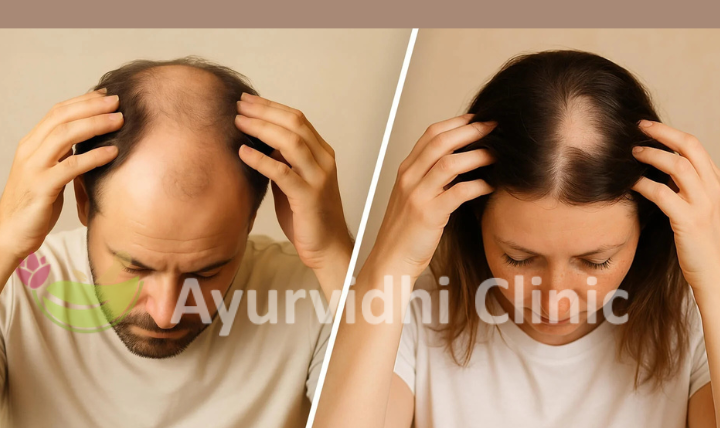
Hair fall and thinning are among the most common concerns seen in Ayurvedic OPD practice today. Patients often report excessive hair fall while bathing or combing, visible thinning of scalp hair, patchy hair loss, or loss of hair density at a young age. Beyond physical appearance, alopecia can lead to anxiety, lowered confidence, and emotional distress.
Ayurveda views Alopecia not merely as a cosmetic problem, but as a sign of internal imbalance involving Doshas, digestion (Agni), tissue nourishment (Dhatu), and mental stress. Therefore, Alopecia Ayurvedic Treatment focuses on correcting the underlying causes rather than offering temporary or superficial solutions.
This blog explains the Ayurvedic understanding of alopecia and how Ayurvedic medicines and Panchakarma therapies support gradual and sustainable hair health.
Ayurvedic Understanding of Alopecia
Classical texts such as Charaka Samhita, Sushruta Samhita, and Ashtanga Hridaya describe hair loss conditions under Khalitya (hair fall), Palitya (premature greying), and Indralupta (patchy hair loss).
Dosha Involvement
-
Pitta Dosha (heat and metabolism):
Excess Pitta generates heat in the scalp, weakening hair follicles and causing hair to fall. -
Vata Dosha (movement and nourishment):
Aggravated Vata leads to dryness, roughness, and poor nourishment of hair roots. -
Kapha Dosha (structure and stability):
When vitiated, Kapha blocks hair follicles and prevents regrowth.
Hair loss occurs due to a combined imbalance of Pitta causing damage, Vata causing dryness, and Kapha obstructing growth.
Role of Agni and Ama
Healthy hair growth depends on efficient digestion and tissue metabolism.
-
Weak digestive fire (Mandagni) leads to improper absorption of nutrients
-
Formation of Ama (toxic metabolic waste) obstructs circulation to hair follicles
-
Hair roots receive inadequate nourishment, resulting in excessive hair fall
In Ayurveda, improving digestion is a foundational step in hair loss management.
Srotas (Body Channels) Involved
-
Rasa Vaha Srotas – responsible for nutrient transport
-
Asthi Vaha Srotas – hair is considered a by-product of bone tissue (Asthi Dhatu)
Any depletion or obstruction in these channels directly affects hair health.
Common Causes of Alopecia According to Ayurveda
Dietary Factors
-
Excess spicy, sour, oily, or fried foods
-
Irregular eating habits or prolonged fasting
-
Excess intake of tea, coffee, junk food
-
Lack of fresh, nourishing meals
Lifestyle Factors
-
Late nights and disturbed sleep
-
Excessive screen exposure and mental strain
-
Lack of regular scalp oiling
-
Overuse of chemical-based hair products
Mental and Emotional Factors
-
Chronic stress and anxiety
-
Emotional suppression and overthinking
-
Work pressure and lifestyle imbalance
Ayurveda gives significant importance to mental stress as a trigger for hair loss, especially in urban lifestyles.
Hormonal and Hereditary Factors
-
Family history of alopecia
-
Post-illness or post-pregnancy hair fall
-
Thyroid or metabolic disturbances
Symptoms Explained in Simple Language
Patients may experience:
-
Excessive daily hair fall
-
Thinning of scalp hair
-
Patchy hair loss in some cases
-
Dryness, itching, or burning sensation of scalp
-
Premature greying along with hair fall
Early Ayurvedic intervention helps prevent progression.
Ayurvedic Line of Treatment for Alopecia
Ayurvedic management is personalized, considering Prakriti (individual constitution) and Vikriti (current imbalance).
Shodhana (Detoxification – When Indicated)
Shodhana therapies are recommended when Pitta and Ama are significantly aggravated.
-
Virechana (therapeutic purgation)
Helps eliminate excess Pitta and metabolic toxins
Improves digestion and tissue nourishment -
Raktamokshana (blood purification – selective cases)
Considered when scalp inflammation, burning, or redness is prominent
Detoxification is advised only after thorough clinical assessment.
Shamana (Balancing and Nourishing Therapies)
Shamana treatment focuses on stabilizing Doshas and strengthening hair roots.
-
Internal Ayurvedic medicines help:
-
Pacify aggravated Pitta and Vata
-
Improve Agni and nutrient absorption
-
Strengthen Asthi and Majja Dhatu
-
Classical herbs commonly used (as per individual need):
-
Bhringraj
-
Amla
-
Guduchi
-
Yashtimadhu
-
Triphala
Medicines are prescribed only after consultation; self-medication is discouraged.
Role of Panchakarma in Alopecia Ayurvedic Treatment
Panchakarma therapies support deeper healing and stress reduction.
Shiro Abhyanga (Medicated Head Massage)
-
Improves scalp circulation
-
Nourishes hair follicles
-
Reduces dryness and stress-induced hair fall
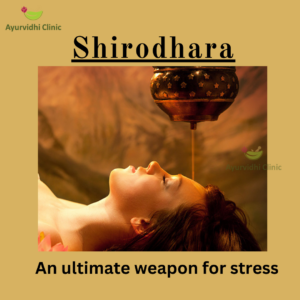
Shirodhara
-
Calms the nervous system
-
Reduces stress and hormonal imbalance
-
Helpful in stress-related and chronic hair loss
Nasya (Nasal Therapy)
-
Classical treatment for head and scalp disorders
-
Improves nourishment of hair roots
-
Supports hormonal and nervous balance
Panchakarma is planned based on disease severity and patient tolerance.
Diet and Lifestyle Advice (Pathya–Apathya)
Pathya (Recommended)
-
Warm, freshly cooked meals
-
Amla, ghee, and seasonal fruits
-
Green leafy vegetables
-
Adequate hydration
-
Regular sleep and stress management
Apathya (To Avoid)
-
Excess spicy, sour, fried foods
-
Late nights and irregular routines
-
Excess tea, coffee, alcohol
-
Chemical hair treatments and harsh products
Simple daily corrections significantly improve treatment outcomes.
Expected Results and Healing Timeline
Ayurvedic treatment emphasizes gradual and sustainable healing.
-
Reduction in hair fall: usually within 4–6 weeks
-
Improved scalp health: 2–3 months
-
Hair regrowth: gradual and variable
Results depend on:
-
Chronicity of alopecia
-
Individual constitution
-
Stress levels
-
Treatment compliance and follow-up
Ayurveda does not promise instant regrowth but focuses on long-term hair health.
Why Alopecia Ayurvedic Treatment Is Different
-
Addresses root cause rather than only scalp symptoms
-
Improves digestion, stress, and tissue nourishment together
-
Personalized treatment approach
-
Avoids long-term dependency on chemical products
-
Focuses on prevention of recurrence
Ayurveda considers hair health a reflection of overall internal balance.
When to Consult an Ayurvedic Doctor
-
Persistent or excessive hair fall
-
Sudden or patchy hair loss
-
Scalp burning, itching, or inflammation
-
Stress-related or hormonal hair fall
-
Desire for natural, long-term hair care
Early consultation leads to better outcomes.
Conclusion: Restoring Balance for Healthy Hair Growth
Alopecia can be distressing, but Ayurveda offers a classical, holistic, and patient-centric approach to hair loss management. By correcting Dosha imbalance, strengthening digestion, reducing stress, and nourishing hair follicles, Alopecia Ayurvedic Treatment supports sustainable hair health.
With proper medical guidance, Panchakarma support, and lifestyle discipline, many patients experience meaningful improvement in hair strength and scalp health.
If you are experiencing ongoing hair loss or scalp concerns, consult a qualified Ayurvedic physician for a personalized evaluation and treatment plan. Early holistic care can help preserve and strengthen natural hair health. Contact Us@https://ayurvidhiclinic.com/contact-us/
Medical Disclaimer: Results vary according to individual constitution, disease severity, and treatment compliance. Ayurvedic treatment should be undertaken under professional medical supervision.

Recent Comments