

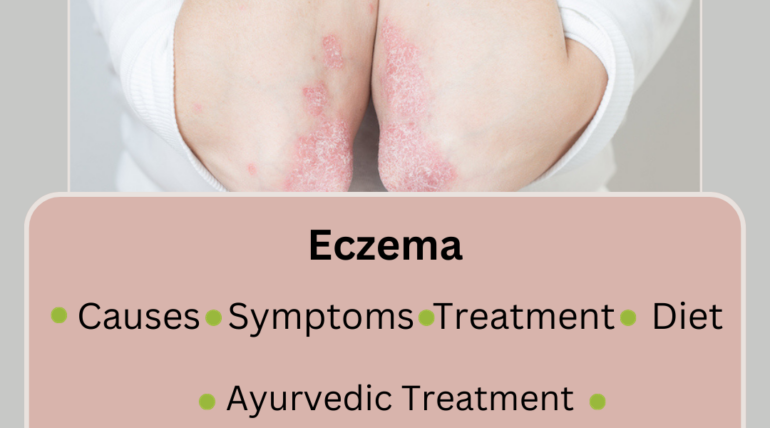
Ayurvedic and Panchakarma Treatment for Eczema: A Holistic Approach towards Skin Healing
Introduction:
Eczema, a chronic skin condition marked by inflammation, redness, and itching, can significantly affect the quality of life. While modern medicine often focuses on symptom management, Ayurveda delves deeper to address the root causes of eczema. With the help of natural remedies and Panchakarma therapies, Ayurveda offers a holistic approach to healing and restoring skin health.
In this blog, we’ll explore how Ayurvedic and Panchakarma treatments can help manage eczema effectively and naturally.
Understanding Eczema through Ayurveda way:
In Ayurveda, eczema is referred to as Vicharchika and is primarily caused by an imbalance in the three doshas – Vata, Pitta, and Kapha. The condition arises from the accumulation of toxins (Ama) in the body due various causative factors. Pitta imbalance often leads to redness and inflammation, while Kapha causes oozing and thickened skin. Ayurvedic treatments aim to restore dosha balance, detoxify the body, and nourish the skin from within.
Causative Factors for Eczema as per Ayurveda:
- Poor digestion, stress,
- Eating incompatible food combinations like various kinds of fruit milkshake,
- Drinking Water on empty stomach in the morning
- Not taking bath regularly,
- Sharing clothes and other daily usable personal items like towel, blankets, comb etc.
- An unhealthy lifestyle
- Eating sour items on regular basis
- Eating stale or packet food
Ayurvedic Remedies for Eczema
1. Herbal Support for Skin Health
Ayurvedic herbs are highly effective in managing eczema symptoms. Some key herbs include:
- Neem: A powerful antimicrobial that soothes itching and reduces inflammation.
- Turmeric: Known for its anti-inflammatory and antioxidant properties, it promotes healing.
- Bakuchi: Anti Eczema drug used in various combination while treating the disease
- Triphala: A multi-dimensional drug help to detox toxins from the body and clear skin problems effectively
- Manjishtha: A natural blood purifier that detoxifies the body and improves skin health.
Using these herbs in the form of powders, tablets, decoction, pastes, or herbal teas can help manage eczema symptoms. Do take the medicine with the expert ayurvedic doctor’s opinion. Looking for best ayurvedic doctor for best ayurvedic treatment for eczema consult Dr. Bathe at Ayurvidhi Clinic – Ayurvedic & Panchakarma Clinic.
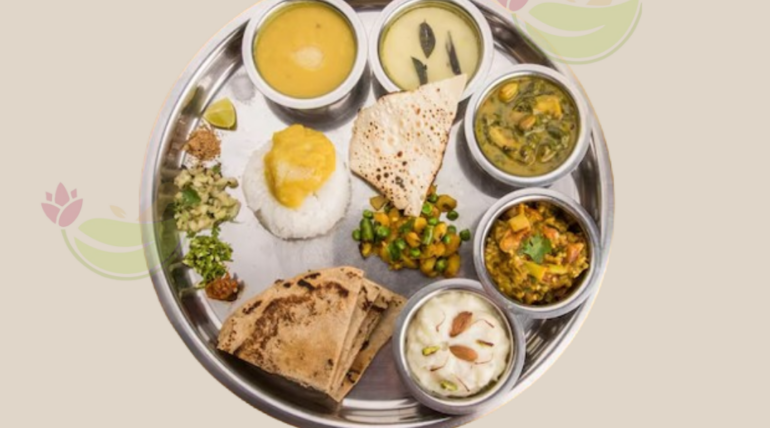
2. Customized Diet (Aahara)
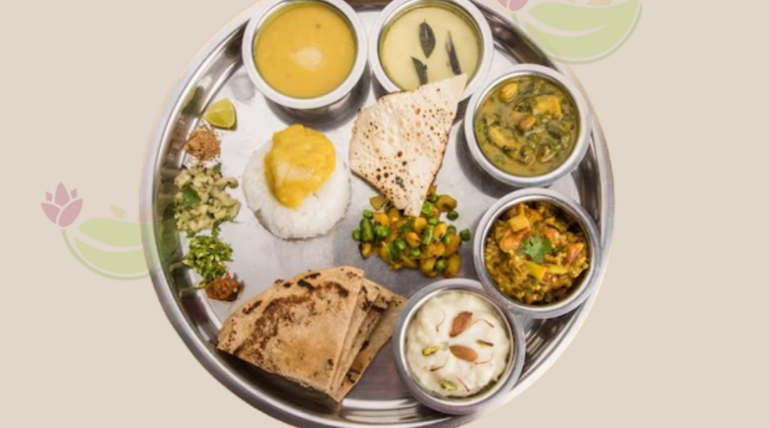
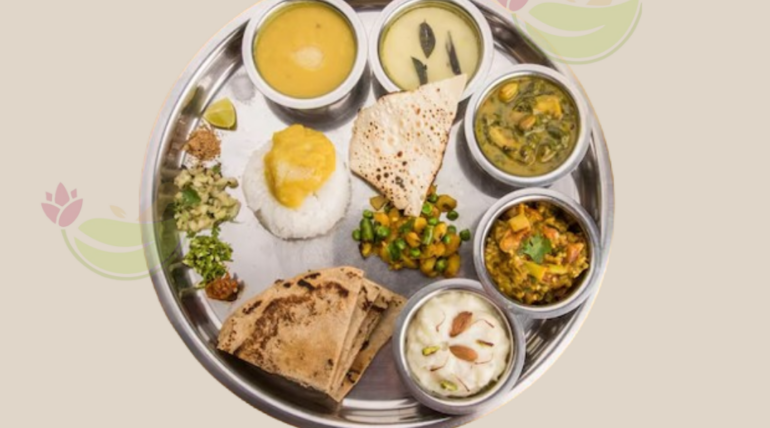
A diet tailored to balance doshas can significantly reduce eczema flare-ups. For information purpose we have recommended few Ayurvedic food items commonly consumed:
- Bitter vegetables such as bitter gourd and bottle gourd, snake gourd, curry leaves, amaranths leaves to purify the blood.
- Cooling foods like cucumbers, melons, and coconut water to balance Pitta.
- Whole grains like Jwari, Raagi to support digestion.
Avoid spicy, oily, and processed foods, as they can aggravate Pitta and worsen inflammation.
3. Skin Care with Ayurvedic Oils
Topical application of Ayurvedic oils nourishes and soothes the skin. Effective oils include medicated oil for better absorption and effective results:
- Kumkumadi Oil: Reduces redness and inflammation. Rejuvenates the skin and helps to restore the glow.
- Coconut Oil: Hydrates the skin and prevents dryness.
- Sesame Oil: Is a best for local application while having dry eczema
- Mahamarichyadi Oil: Known for its antifungal and antibacterial properties, it treats infections and soothes irritated skin.
- Psoria oil: An ayurvedic formulation market ready preparation can also help you in Eczema. (local application)
- Udvartana: Ayurvedic scrub powder can be used instead of harsh chemical soap. This helps to remove dead skin cells of eczema. Adopt our customised “Udvartana Powder” best products for skin. You can now check out our “VidhiVeda Herbal Care Solution’s” products.
Panchakarma Therapies for Eczema:
Panchakarma, Ayurveda’s detoxification therapy, plays a crucial role in managing eczema by removing toxins from the system and restoring dosha balance within it.
1. Vamana (Therapeutic Emesis)
Vamana is highly effective while treating any skin disease. Doing vamana procedure helps to remove the toxins from the emesis saturated in the stomach. These are higher & risky skin causing agent.
2. Virechana (Therapeutic Purgation)
Virechana is highly effective for Pitta-dominant conditions like eczema. It cleanses the liver and blood, reducing inflammation and promoting clearer skin.
3. Abhyanga (Oil Massage)
A gentle massage with medicated oils like neem oil, Baakuchi oil, Sesame Oil or coconut oil hydrates the skin, improves circulation, and reduces itching.
4. Swedana (Herbal Steam Therapy)
This therapy involves steaming the body with herbal decoctions to open pores, eliminate toxins, and soothe the skin. Herbs like Turmeric, Neem, Karanja etc.
5. Raktamokshana (Bloodletting)
This specialized therapy purifies the blood, addressing the root cause of eczema and promoting faster healing. This can be carried out by various methods which are Jalaukawacharan using Jalauka means Leaches, Prachhaan karma by using scalpel & Sira-vedha by using needle to blood out through veins. The impure blood is a common
Benefits of Ayurvedic and Panchakarma Treatments for Eczema
- Natural Healing: Ayurvedic remedies are free from harmful chemicals, making them safe for sensitive skin.
- Root Cause Treatment: By addressing dosha imbalances and detoxifying the body, Ayurveda ensures long-term relief without bounce back of any symptoms.
- Reduced Inflammation: Herbs and therapies help soothe inflamed skin and reduce redness.
- Improved Digestion: A healthy digestive system prevents toxin build-up, a common trigger for eczema. This is restored by balancing the Agni inner digestive fire.
- Holistic Care: These treatments improve overall health, not just skin symptoms. This ultimately helps to boost your confidence and work efficiency.
Tips for Managing Eczema Naturally
- Stay Hydrated: Drink plenty of water and herbal teas to keep your skin hydrated.
- Practice Stress Management: Incorporate meditation and yoga to reduce stress, a common eczema trigger.
- Use Natural Fabrics: Wear loose, breathable fabrics like cotton to minimize irritation.
- Avoid Harsh Products: Adopt for natural, fragrance-free skincare products to prevent further irritation. For such best products for skin you can now check out our “VidhiVeda Herbal Care Solution’s” products. We offer herbal, naturally, handmade & toxins free products for your skin. Which are gentle, smoothens your skin naturally!
- Follow a Routine: Maintain a consistent Ayurvedic skincare routine with ayurvedic medication treatments, herbal oils and our special products.
- Avoid using common items: Items like towel, napkin, and comb etc. can spread skin infection quickly so avoid using such items.
- Bath: Regular bath once or twice a day according your body constitution helps to avoid skin issues naturally.
Sumarry:
Ayurvedic and Panchakarma treatments for eczema provide a holistic, natural approach to managing this chronic condition. By detoxifying the body, balancing the dosha, and nourishing the skin, these treatments offer lasting relief and healthier skin.
If you’re ready to embrace Ayurveda for eczema, begin your journey with Ayurvidhi Clinic’s Ayurvedic & Panchakarma Treatments for calm, radiant skin today!




Recent Comments